Reading the Air:
Humidity, Fog & Frost for Pilots

Why it Matters for Flying
Mission-Ready Thinking
Picture This: You’re traveling in the midsts of humid, hot, dewy temperatures in a marshy rainforest-like wonderland. You couldn’t be more excited to capture the lush green vegetation and its peak foliage along with the animals you’re sUAS will capture footage of from above.
But here’s the thing, weather that includes high humidity mixed with other elements like hot temperature can impact your sUAS flight immensely. Similar to if you’re in a region that is freezing and has a lot of moisture in the air, which can cause structural icing – literally on the propellors of your sUAS!
Therefore, knowing what the impacts of some of these water-in-the-air based scenarios will be very helpful for you as your plan your missions in more severe weather.
Lesson Focus
Forces Behind the Forecast
In this lesson we’re going to do a deep dive on how moisture in the air works when paired with temperature, and how that impacts your drone flight.
You’re going to learn about humidity, dew point, fog, frost, structural icing, and more. You’ll never look at a blade of grass in the early morning with little pebbles of water stuck on them the same again.
You’re also going to learn how to spot the 4 most common types of fog, what their names are, and their characteristics. This way you can judge correctly if the fog may persist or burn off quickly, or if it brings turbulence with it as well.
“What Happens When Air Becomes Completely Saturated with Moisture?”
First, Let’s Define Dew Point
Key terms
The dew point is the temperature at which air becomes fully saturated with moisture.
That means the air is holding as much water vapor as it possibly can.
What Happens at the Dew Point?
Understanding Process
When the air reaches its dew point, the extra moisture has nowhere to go, and so it condenses into visible forms like:
- Dew (liquid on surfaces)
- Fog (suspended water droplets)
- Clouds
- Rain or snow, if enough builds up
What Happens when the Temperature is Below Freezing?
If the temperature is below freezing, the water vapor skips the liquid stage and forms:
- Frost
- Ice
When the Air’s Moisture Forms Dew

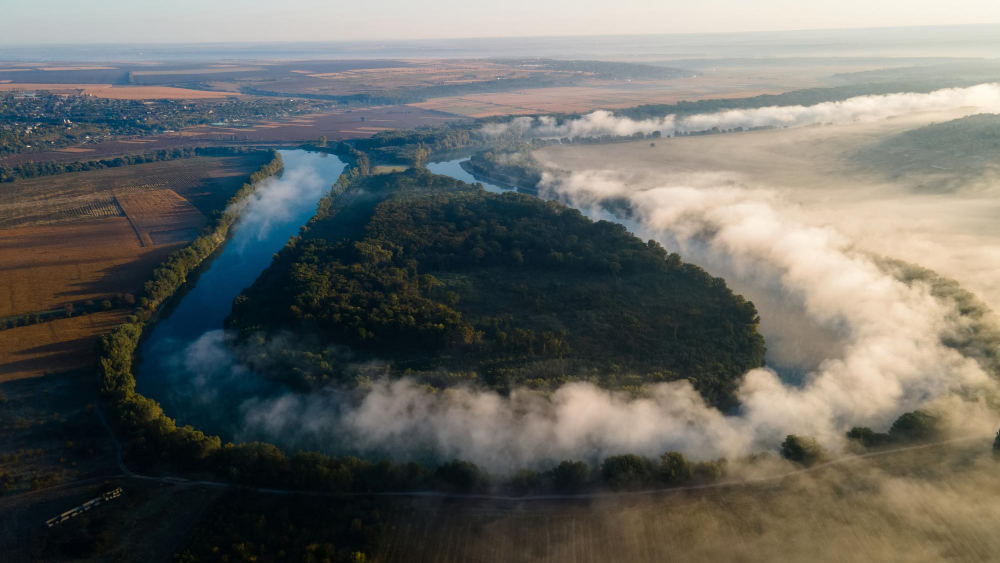
When the Air’s Moisture Forms Fog
Fog is basically a cloud really close to the ground. It forms when the air gets cool and full of water, but instead of the water landing on the surface as rain, the moisture stays floating in the air as tiny misty droplets. When condensed, these misty droplets form fog.
When the Air’s Moisture Forms Frost/Ice
Frost forms when the air gets extremely cold, as in below freezing. The water in the air turns straight into ice on surfaces like grass, windows, or even your drone.

Recognizing the
4 Common Types of Fog
Fog Formed by Wind vs in Calm Conditions
Fog that Requires Wind to Form
Two types of fog, Advection Fog and Upslope Fog, form when warm, moisture-rich air travels horizontally over a cooler surface or higher elevation.
That shift of warm air over a cool surface causes the air to cool to its dew point and condense into fog.
These types require wind to form and often appear near coastlines or in mountainous regions.
Fog that Forms in Calm Conditions
The other two—Radiation Fog and Steam Fog—form when there’s little to no wind, and the temperature differences between the ground and air, or water and air, do all the work.
Radiation fog settles in low valleys or open fields after sunset, while steam fog rises off warmer water into cold air, especially on chilly mornings.
Advection Fog
Warm Air Meets Cool Surface (Requires Wind)

Advection fog forms when warm, moist air moves over a cooler surface—land or water. As the warm air glides over the cooler area, it cools down to its dew point, causing condensation and forming fog.
Requires Wind: This type of fog needs wind to carry the warm air across the cooler surface. Without wind, the air won’t move—and the fog won’t form.
Where It Forms:
- Over Water:
- Common in coastal areas. For example, warm, moist ocean air drifting over the cold Pacific near San Francisco Bay often forms thick advection fog.
- Over Land:
- Happens when warm, moist air from the Atlantic moves inland over cooler terrain—like in upstate New York or the Appalachian Mountains—cooling as it spreads and forming widespread fog.
Upslope Fog
Fog That Forms As Air Climbs Terrain (Requires Wind)
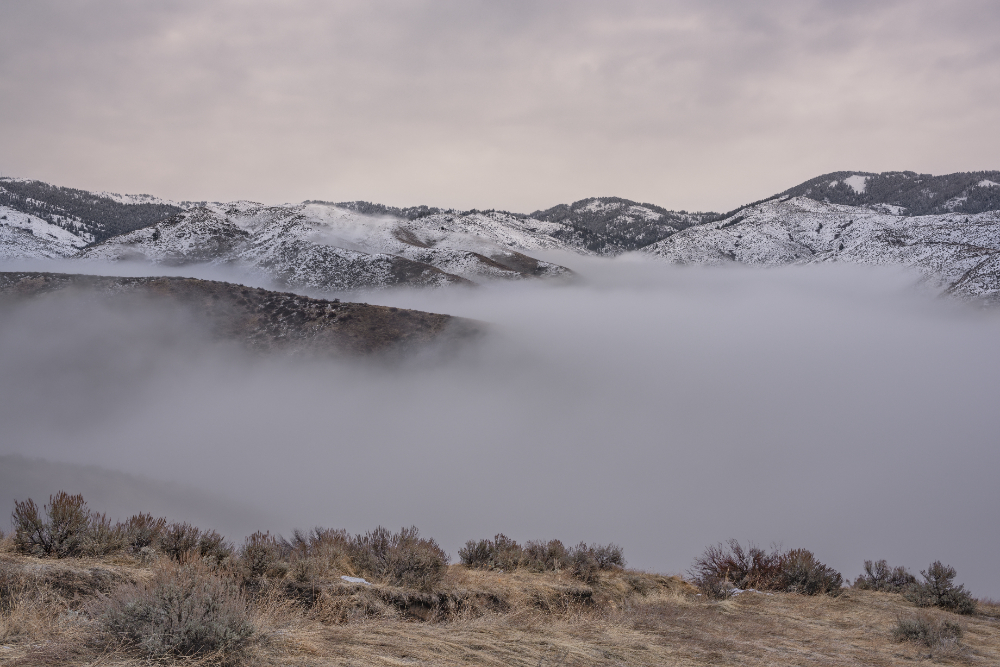
Upslope fog develops when moist air is pushed up a slope or mountain by wind. As the air rises, it cools—and if it cools enough to reach its dew point, fog forms.
Requires Wind: This fog only forms when wind pushes air up an incline. No wind, no lift—no upslope fog.
How It Works:
- Wind moves moist air toward higher ground
- The air rises and cools as elevation increases
- When it cools to its dew point → fog forms along slopes or ridgelines
Where You’ll See It:
- Mountain ranges (like the Rockies or Appalachians)
- Foothills or rising terrain during humid conditions
- Common in early mornings when air is still saturated
Flight Considerations:
- Reduced visibility can sneak up as you gain elevation
- Fog often clings to slopes and ridges—watch for sudden low ceiling changes
Radiation Fog
Ground Cools, Fog Forms (Forms in Calm Conditions)
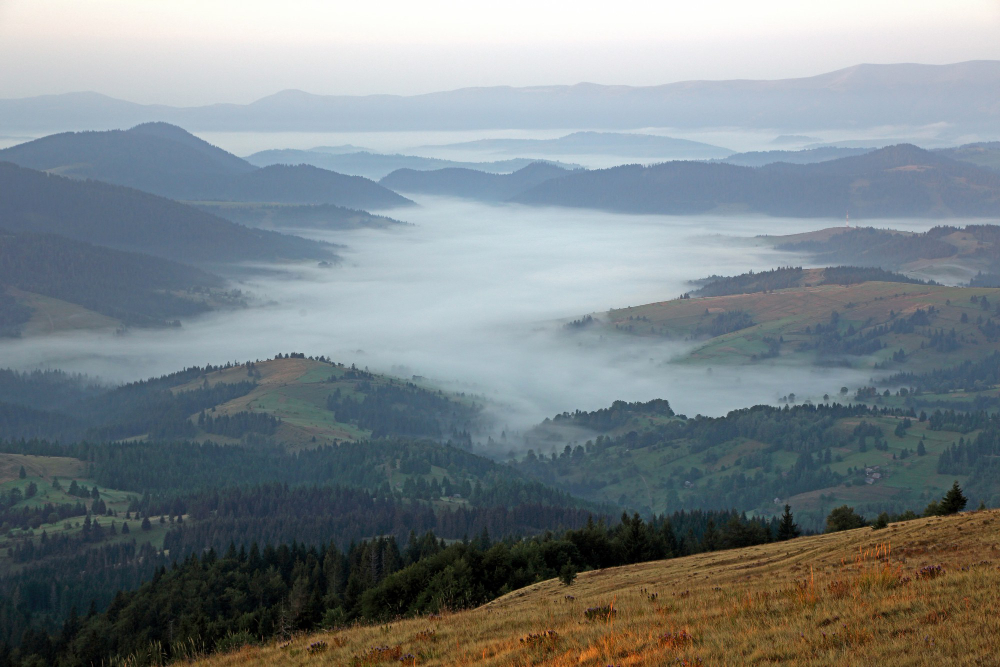
Radiation fog forms when the ground loses heat quickly after sunset, chilling the air just above it. As the air cools to its dew point, moisture condenses near the surface, creating fog.
Requires Clear Skies & Calm Winds: This fog doesn’t need wind—in fact, too much wind can stop it from forming. Clear skies and still air help the ground cool off fast, setting the stage.
Where It Forms:
- Valleys:
- Cool air settles into low spots, making valleys ideal zones for overnight fog development.
- Flat, Open Land:
- Places like fields or plains cool evenly and allow fog to spread out across the surface, especially just before sunrise.
Steam Fog
Cold Air Meets Warm Water (Forms in Calm Conditions)
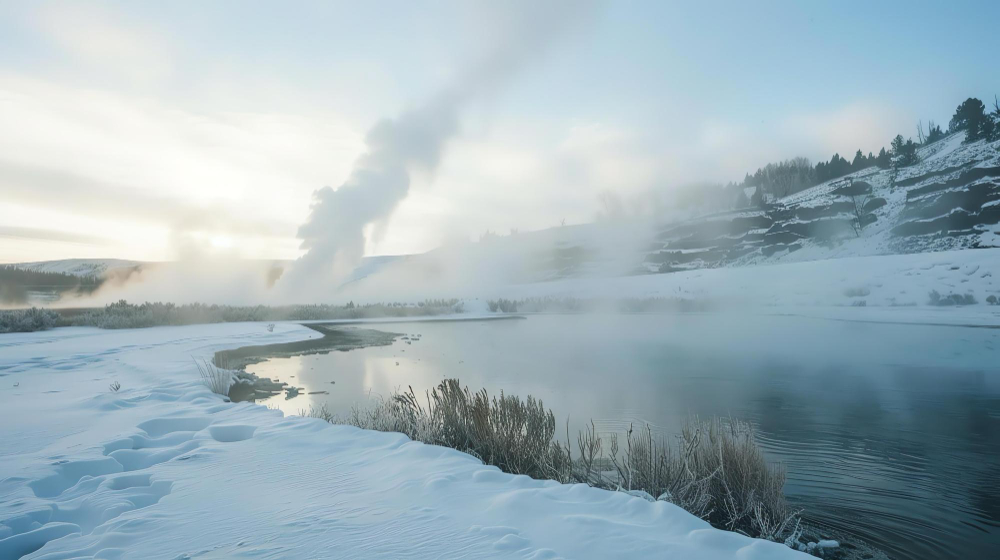
Steam fog—also called “sea smoke”—forms when cold air moves over warmer water. The water warms the air just above it, which quickly rises and condenses into visible fog as it hits the cold air above.
When It Happens: Common in early morning or late evening, especially during colder months when water holds heat longer than the surrounding air.
Where You’ll See It:
- Lakes, rivers, and coastal waters on cold days
- Fog drifts upward like steam from a pot
Hazards: Turbulence & Icing
- Unstable Air:
- The rising warm air can create vertical air movement, leading to mild turbulence—especially close to the surface.
- Ice Risk:
- This fog is packed with moisture. If the surrounding temps drop low enough, that moisture can freeze to your drone’s frame or props, causing performance loss or even failure.
When Cold Weather Strikes
Frost and Freezing Rain
Two Ways Ice Can Ground Your Drone
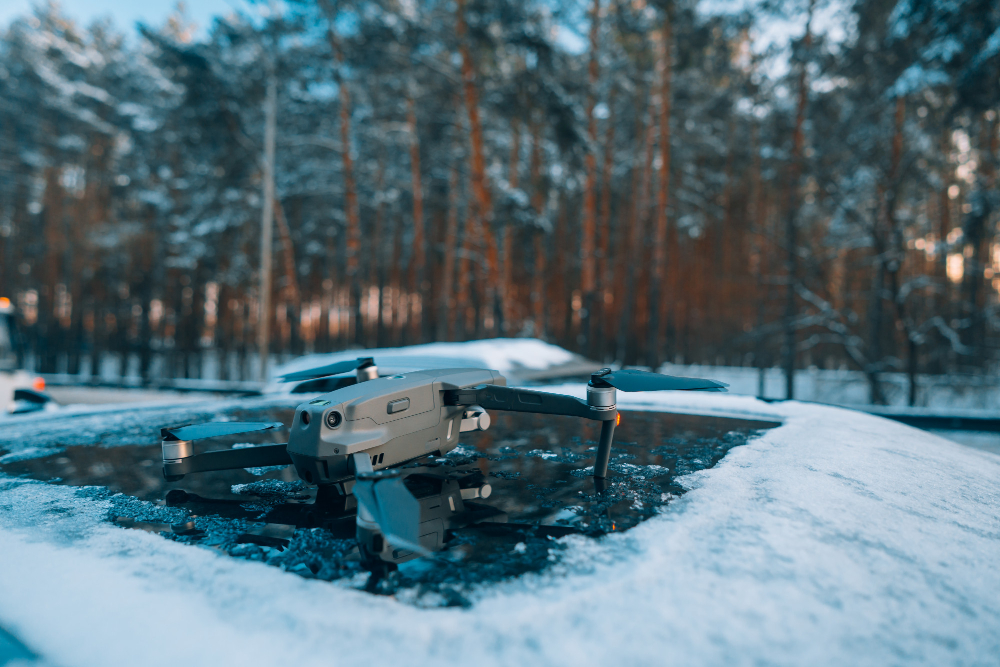
Frost and freezing rain are both forms of structural icing—but they form in very different ways.
Frost is the quiet hazard, building up slowly when moisture in the air freezes on cold surfaces, even without active weather. Freezing rain is its aggressive counterpart, forming rapidly when supercooled raindrops strike your aircraft and instantly freeze.
Understanding both helps you spot icing risks before they compromise flight.
- Battery Performance
- Cold air doesn’t just affect the frame—it impacts the battery too. LiPo batterie struggle in low temperatures, leading to less power, rapid voltage drop, or faster depletion than expected. Always keep your batteries warm before flight.
Now let’s take a look at how freezing rain, frost and structural ice form so you can be prepared.
Frost
subtle, slow-forming, happens in still air

Frost forms when the dew point is below freezing—0°C (32°F)—and the surface of your sUAS drops to or below that same freezing point. When that happens, moisture in the air condenses directly into ice on your drone.
Structural icing can also occur rapidly during freezing rain, where supercooled water droplets strike the drone and freeze on contact. For this to happen, the temperature where the moisture hits must be at or below 32°F (0°C).
Picture this: You’re flying on a cold winter morning in the Midwest. The temperature is -2°C (28°F), and the dew point is also below freezing. The moment you launch, your drone’s propellers begin cooling further in the air. Within seconds, frost can begin forming. As it builds, it disrupts the airflow, reducing lift and motor efficiency—making your flight riskier by the minute.
Freezing Rain
aggressive, sudden, and precipitation-driven
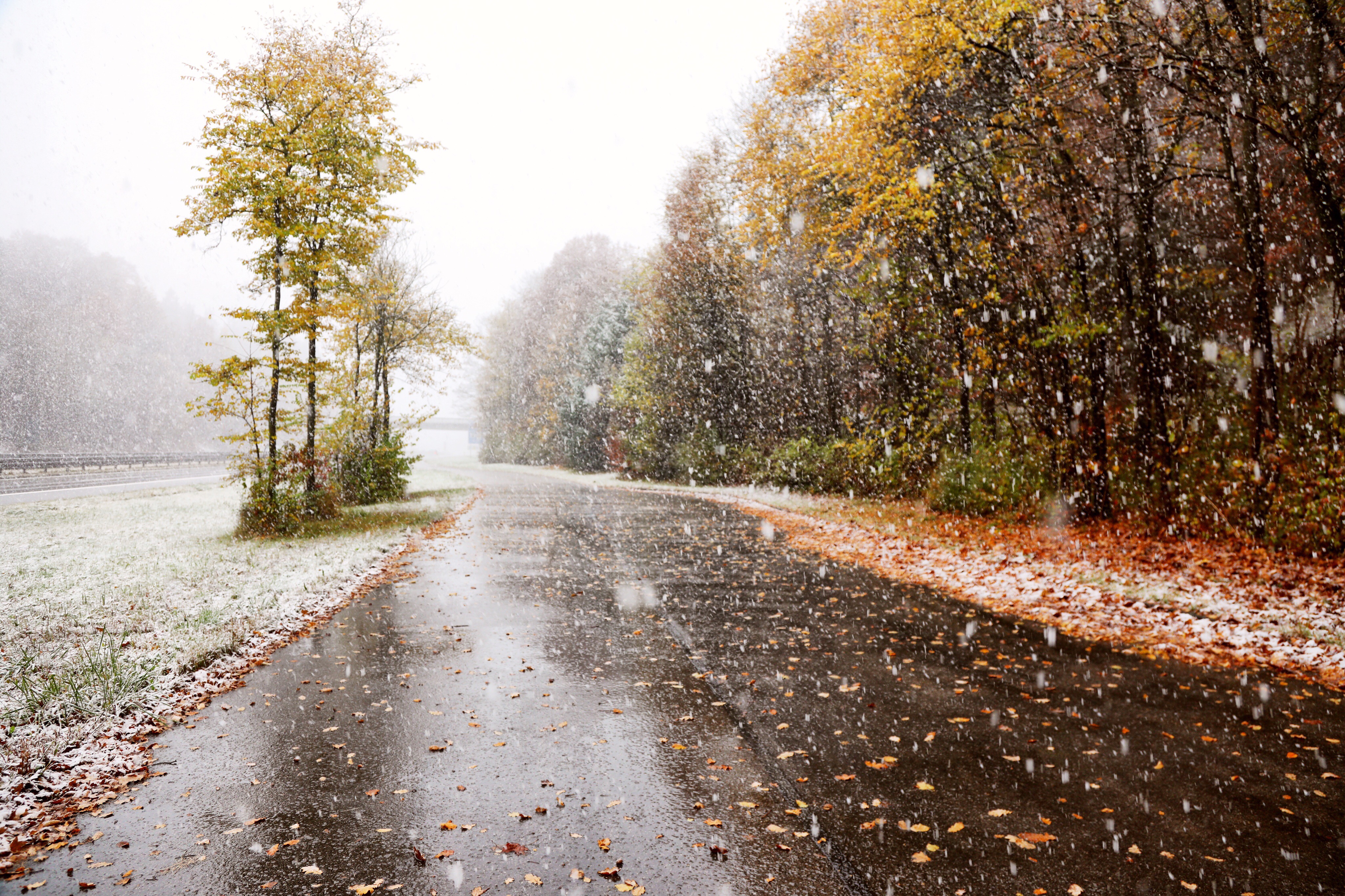
Freezing rain starts as snow high up in the atmosphere. As it falls, it passes through a layer of warm air and melts into rain. But then, just before reaching the ground, it hits a shallow layer of freezing air near the surface. The raindrops don’t have enough time to re-freeze in the air—so they stay liquid right until they hit something.
That’s the danger. These supercooled raindrops instantly freeze on contact with anything at or below 32°F (0°C)—your drone included.
So instead of a gentle coating of frost, you get fast, heavy buildup of solid ice. This can weigh down your aircraft, mess with the propellers, and block essential sensors mid-flight. Structural icing from freezing rain is especially hazardous because it accumulates rapidly and unevenly—there’s no slow warning build-up like frost.
Watch out for freezing rain if:
- Surface temperatures are below freezing
- The forecast calls for mixed precipitation
- You’re operating in valleys or flatlands where shallow cold air pools
Even a few minutes in freezing rain can ground your drone—literally. Always double-check your weather briefings and steer clear of flight during mixed precipitation.