Crew Members
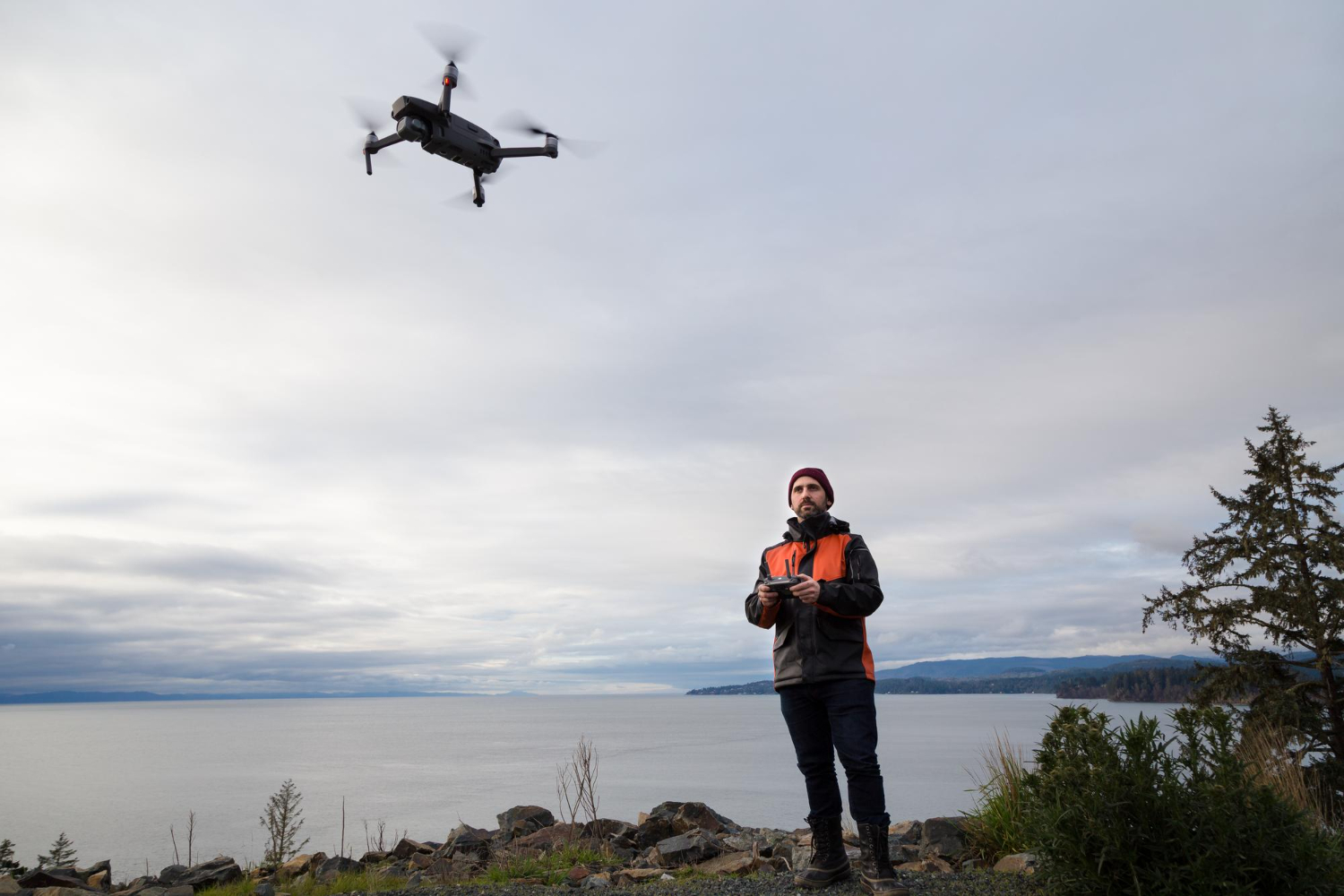
Remote Pilot in Command
(RPIC)
Visual Observer
(VO)
Person Manipulating Controls

Buddy Box
System
Remote Pilot in Command (PIC):
The Remote PIC is the person who holds a remote pilot certificate with a small UAS rating and is directly responsible for the operation of the sUAS and adherence to all applicable regulations under Part 107.
The Remote PIC is responsible for:
Visual Observer (VO):
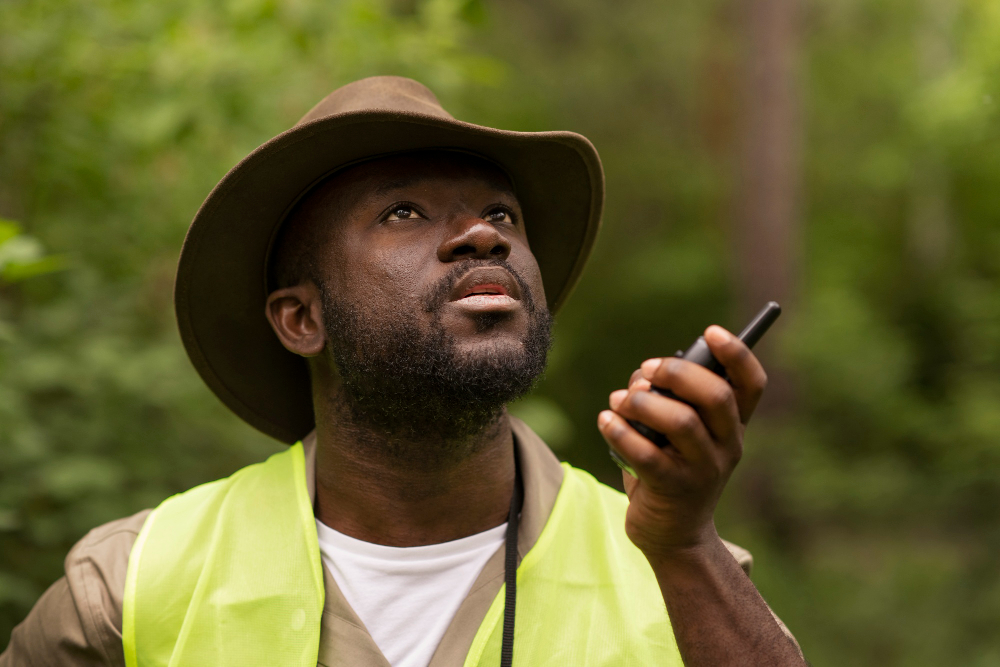
The VO’s main job is to keep a constant eye on the drone during its flight.
The Visual Observer (VO) plays a vital role in supporting the Remote Pilot in Command (Remote PIC) throughout sUAS operations by maintaining constant visual contact with the aircraft.
Although having a Visual Observer is optional, they can significantly help boost situational awareness and assist with Visual Line of Sight (VLOS) duties, especially when the Remote PIC is busy with other tasks like monitoring screens.
The Remote PIC needs to ensure the following for their VO:
- VOs should be placed in a strategic spot where they can keep a clear and constant view of the sUAS to maintain VLOS.
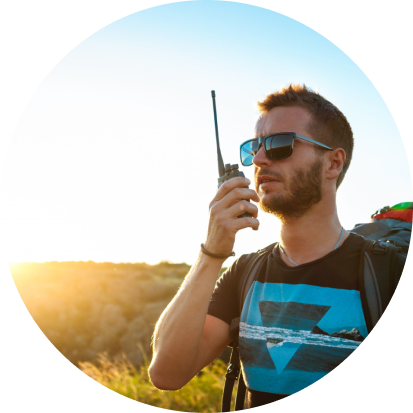
- VOs should have the right communication tools, such as a walkie talkie, to accurately relay the drone’s position and the presence of other aircraft or obstacles to the Remote PIC and the person flying the drone.
Also, a person cannot operate or act as a Remote PIC or Visual Observer for more than one drone at a time.
The Visual Observer’s Roles Are:
Person Manipulating Controls
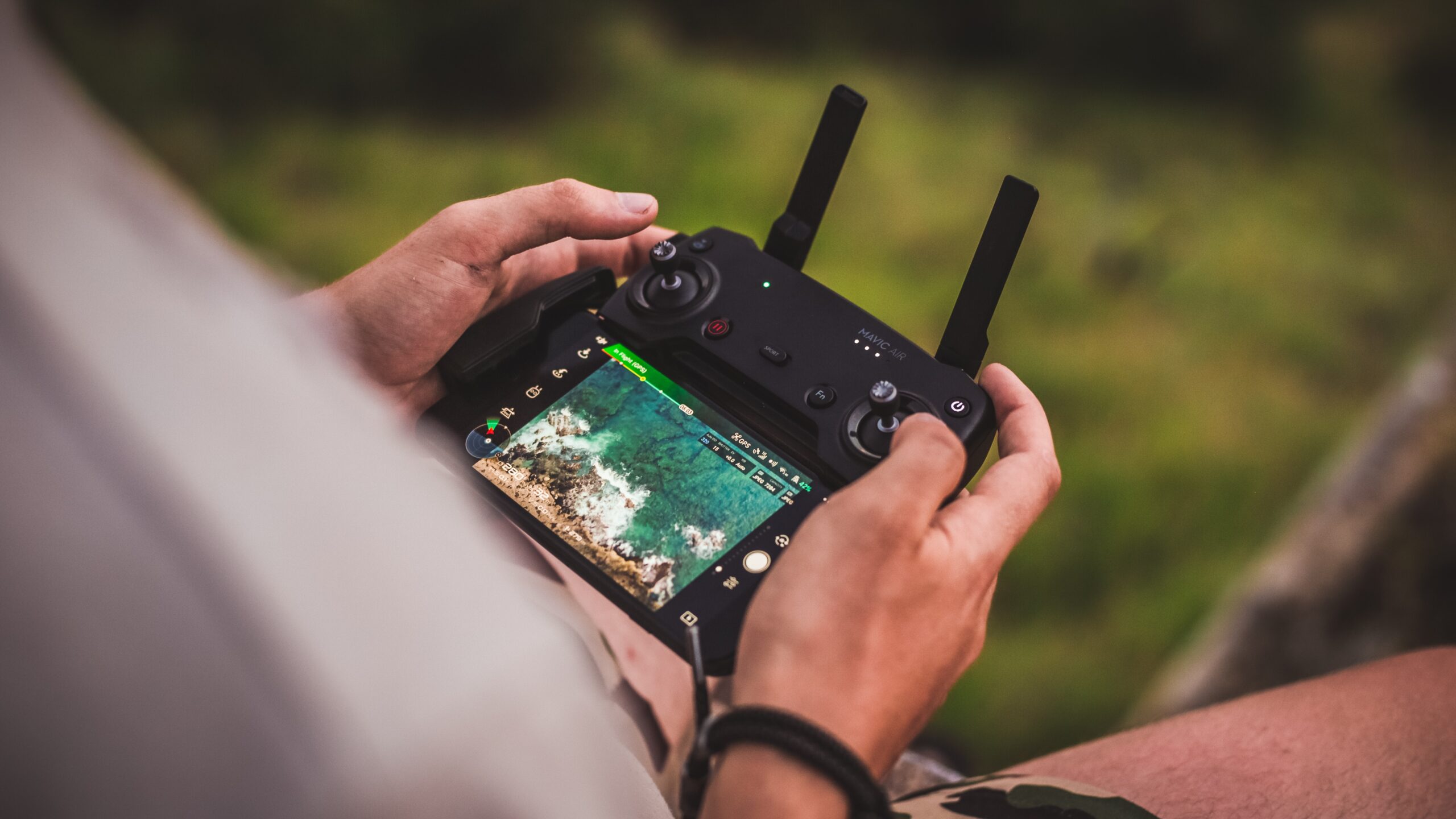
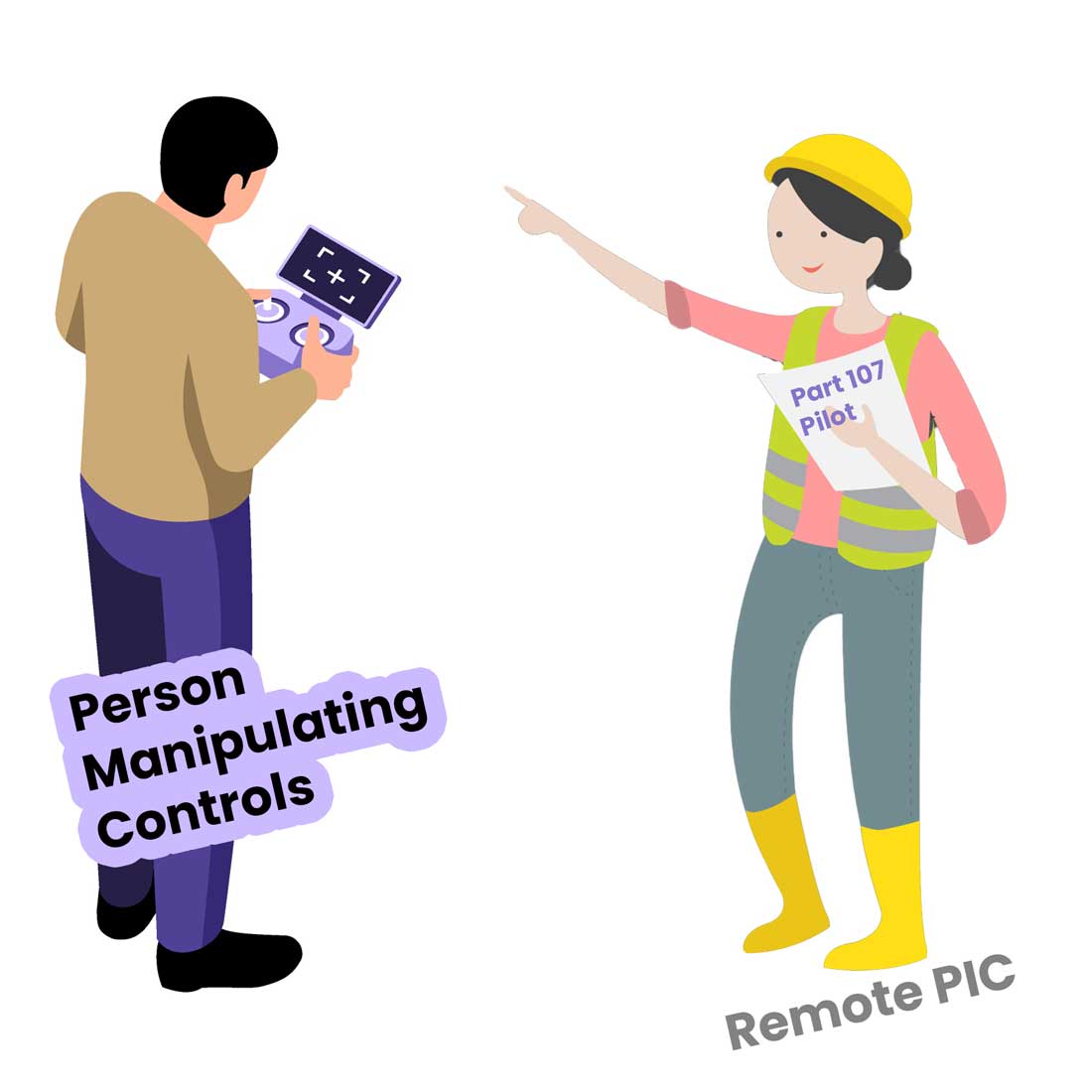
Person Manipulating Controls refers to any person who is physically operating the controls of a small unmanned aircraft system, controlling the aircraft’s movements and executing maneuvers during the flight.
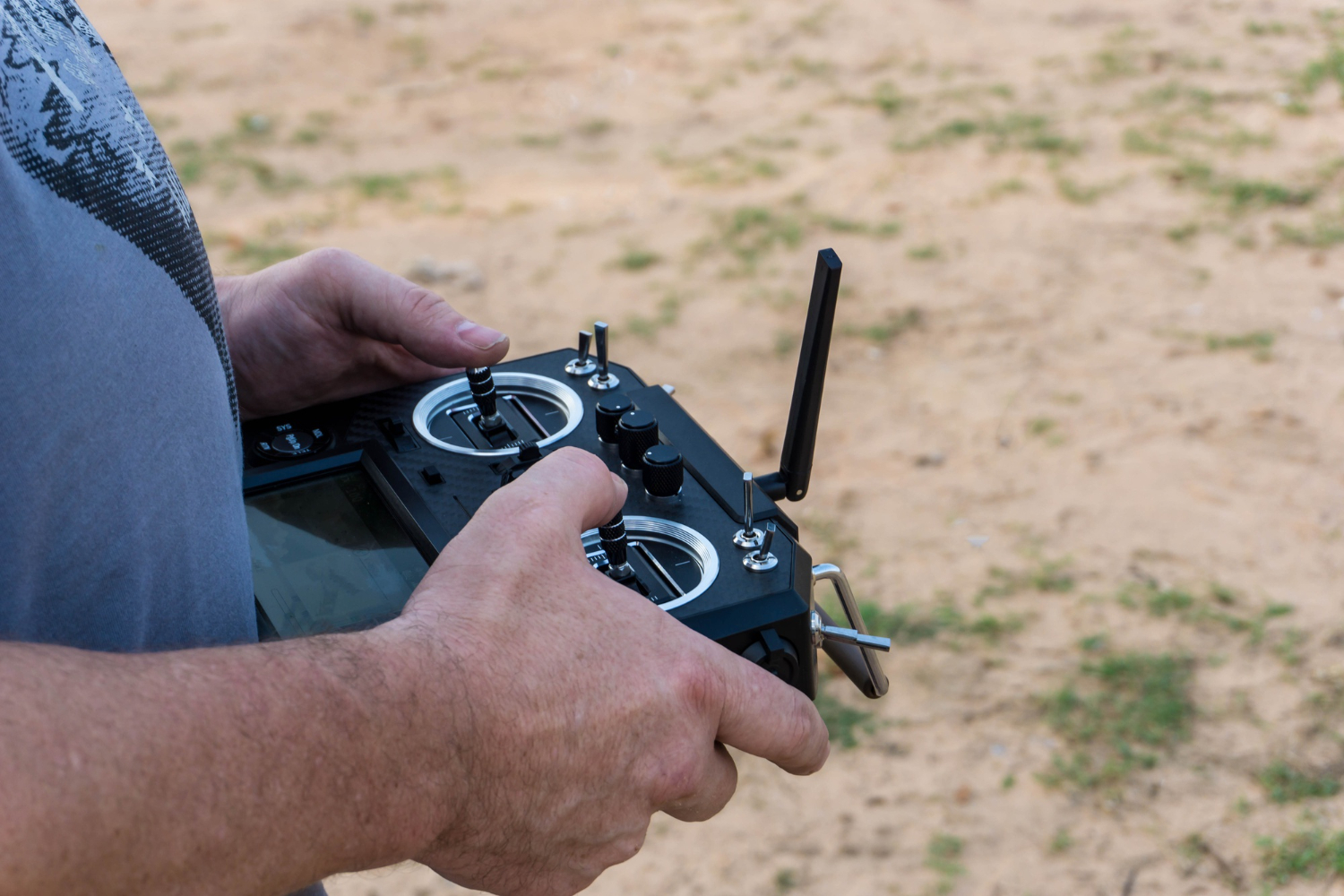
The person manipulating the controls has direct and immediate control over the drone’s flight path and operation. They are controlling the aircraft’s movements and executing maneuvers during the flight.
This role can include tasks like takeoff, landing, navigating the drone through different flight maneuvers, and ensuring the drone remains within the visual line of sight (VLOS).
Mandatory Remote PIC Supervision:
A person without a Remote Pilot Certification, or a previously certified remote pilot who hasn’t completed Part 107’s recurrent testing, may still operate the controls of an sUAS under Part 107, as long as they’re directly supervised by a Remote PIC who can quickly take over control of the drone if needed.
The RPIC is responsible for all facets of the operation being conducted safely and in compliance with all regulations. They may instruct or assist the person manipulating the controls, but retain ultimate responsibility for the flight’s safety and regulatory compliance.
Buddy Box System
The Buddy Box system is often used when teaching someone how to control a sUAS. It enables dual control for small unmanned aircraft, ensuring quick takeover by the remote pilot in command if needed.
There are two control stations, allowing seamless transfer of control with the flip of a switch.
One control station is operated by the person handling the flight controls (the student), while the other is managed by the remote PIC (the master).
Transferring Control:
When transferring control of the drone between operators (e.g., using a Buddy Box system or switching controllers), the transfer must be performed in a manner that ensures no loss of control and maintains visual line of sight (VLOS) of the drone at all times.