Getting Started
Why it Matters for Flying
Fieldwork Foundations
Picture this: You’re collecting B-Roll footage for an upcoming YouTube video for your channel you run to market your business. You want to collect footage of some of the territory you’ve been exploring lately.
You get all the way to your destination, an open and mountainous valley about 45 minutes away from where you’re staying. It’s sunset out, it’s gorgeous, and you know the shots you’re about to get are going to be amazing.
Unfortunately, just 10 minutes into your flight you begin to sense the wind shifting. You can see your drone is starting to be pummeled around due to turbulent air. And what’s more, a large towering cloud is forming what looks like not far from you at all.
These are tell-tail signs a thunderstorm is on its way, and you better land your sAUAS asap or risk loosing it to lightning or getting drenched in rain and crashing.
This is why this lesson teaches you the 3 stages of a thunderstorm and what the characteristic are of each one.
Lesson Focus
How Thunderstorms Form and Behave
In this lesson, you’ll learn what creates a thunderstorm—from the components that fuel them to the stages they move through. We’ll explore what to look for in the sky, what kind of turbulence or downdrafts to expect, and why storms often form in the late afternoon.
By the end, you’ll be able to recognize the signs of developing storm activity and know when to call off a flight mission/
The Life Cycle of a Thunderstorm
3 Phases to Watch
Weather Foundations
Most ordinary thunderstorms follow a predictable life cycle that lasts around an hour.
Larger storm systems like squall lines and supercells last much longer and behave far more violently, but they’re built on the same basic principles.
The following are the 3 phases of a thunderstorm, and the characteristics of each.
Phase 1: Cumulus Phase
Storm Forming its Structure
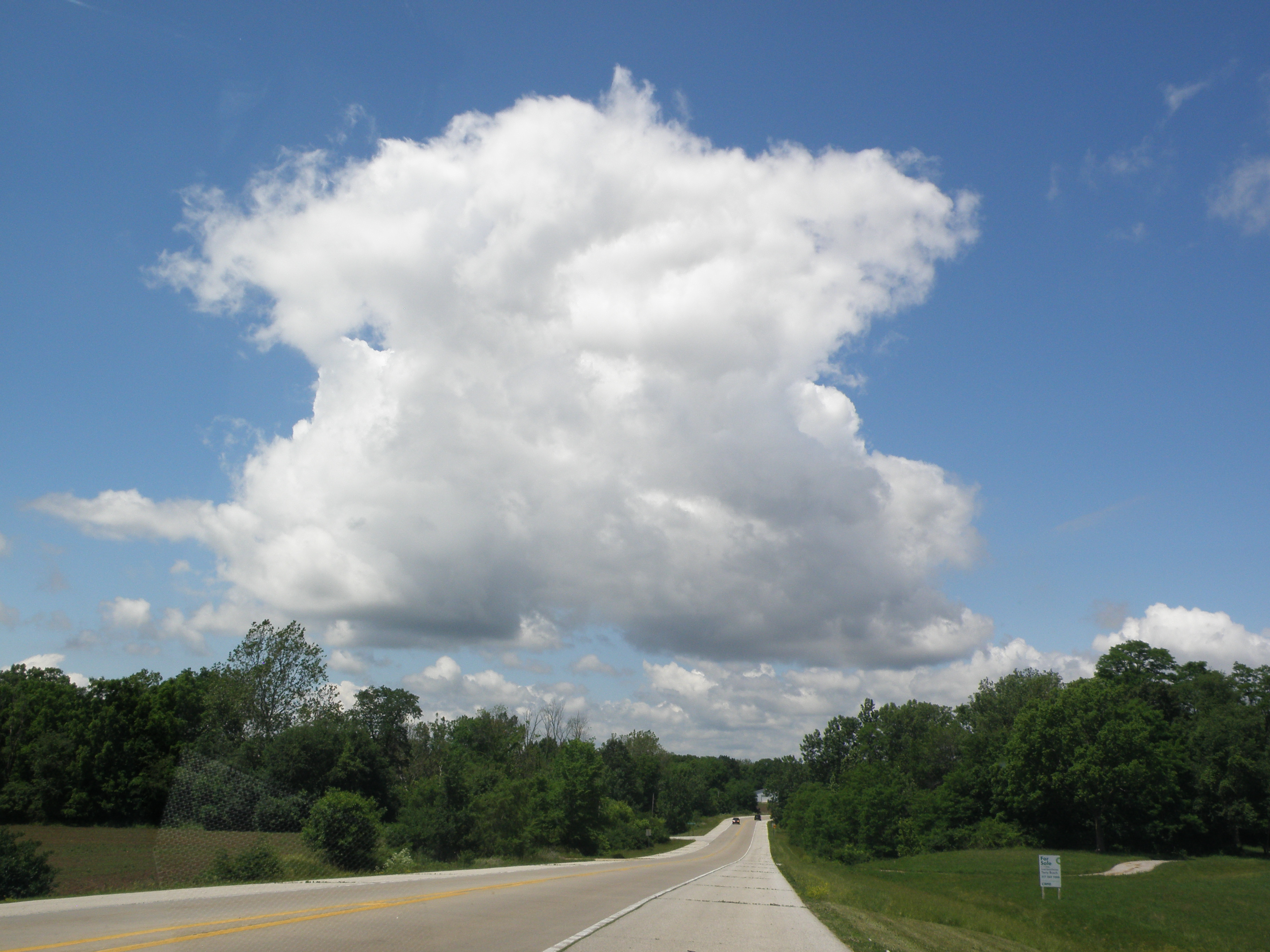
This phase is all about ascent and buildup.
No rain falls yet, but the structure is forming.
The three main components of the Cumulus Phase are:
- (a) Marks the beginning of a thunderstorm’s life cycle
- (b) Vigorous Updrafts
- (c) Development of Cumulus Clouds
The Cumulus Phase (a)marks the beginning of a thunderstorm’s life cycle.
This (b)starts with vigorous updrafts—warm, moist air rising rapidly into the atmosphere. There’s no rain yet, just vertical growth. This is the storm forming its structure—gathering strength before releasing it in the next phase. The cumulus clouds signal the storm is on the move.
As the updrafts create lift, the air cools and condenses, (c)forming cumulus clouds. From the ground, it might still look peaceful—just big, beautiful clouds stacking upward. But don’t be fooled. These towering clouds are the first sign the atmosphere is building energy.
- Term to Know:
- Cumulonimbus Cloud – A towering thunderstorm cloud with strong vertical development that can eventually produce rain, lightning, and severe weather.
Phase 2: Mature Phase
Most Intense Phase
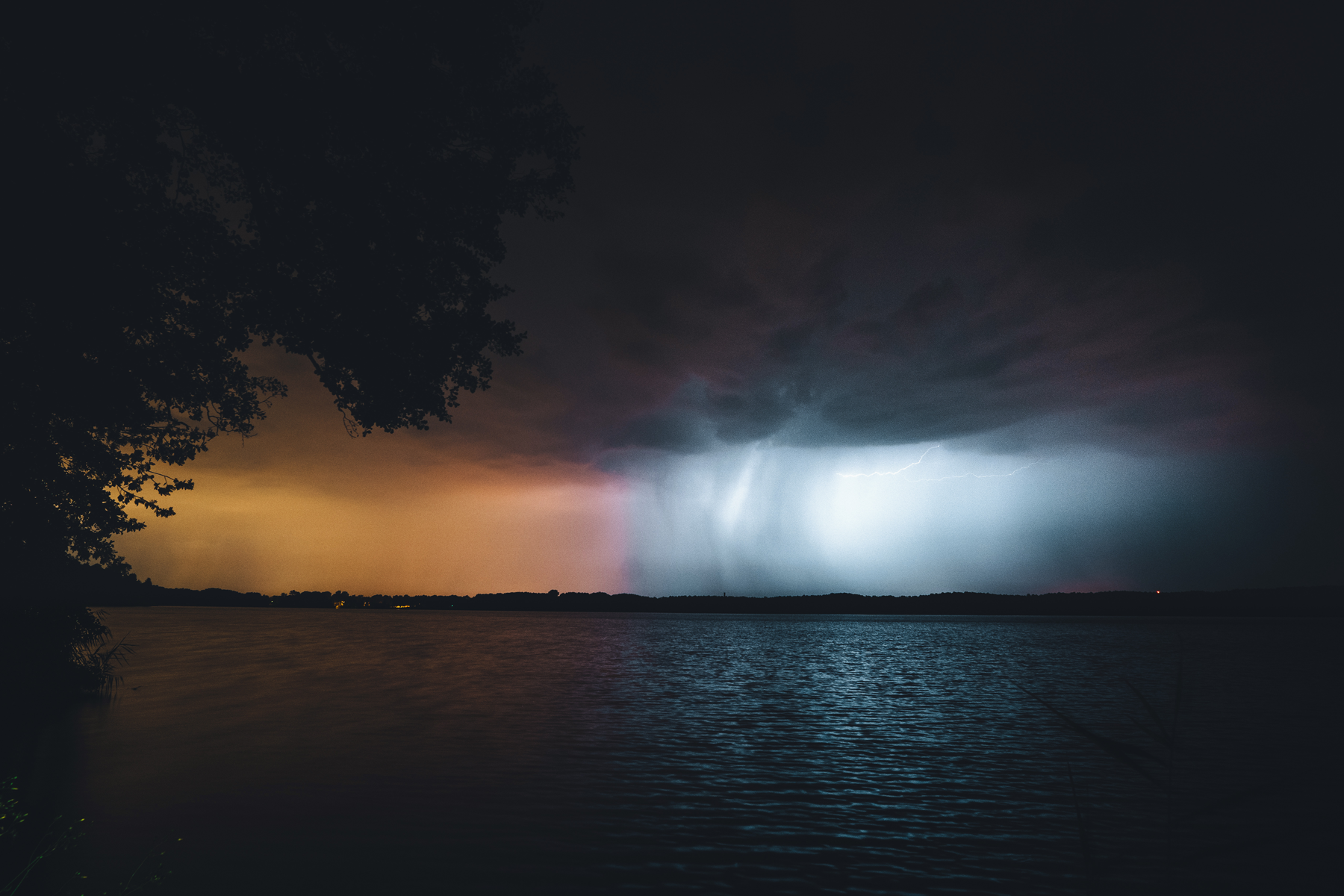
This is the most intense part of the thunderstorm’s life cycle.
- Key Traits:
- (a) Greatest intensity of the storm
- (b) Active Updrafts and Downdrafts = strong vertical movement & turbulence
- (c) Precipitation begins
- (d) Cumulonimbus cloud has fully developed
- (e) Anvil shape forms at top of cloud
In this stage, where (a)ntensity is at its peak, both (b) updrafts and downdrafts are active. Warm, moist air continues to rise, while cooler, heavier air sinks, creating strong vertical movement within the cloud. This dynamic fuels turbulence and unleashes the storm’s full power:
(c)Precipitation begins when the water droplets inside the cloud become too heavy to stay aloft and begin to fall as the downdrafts begin and increase.
From the ground, it’s obvious: skies darken, rain intensifies, and winds shift. The storm is now fully alive.
By now, the (d)umulonimbus cloud is fully developed—a towering giant that often (e)forms an anvil-shaped top. That flat, wide spread happens when powerful updrafts hit the stratosphere and flatten out.
This phase usually lasts 15 to 30 minutes, depending on the storm’s strength, before the system begins to collapse into the final stage.
Phase 3: Dissipating Phase
Marks the end of the thunderstorm’s lifecycle
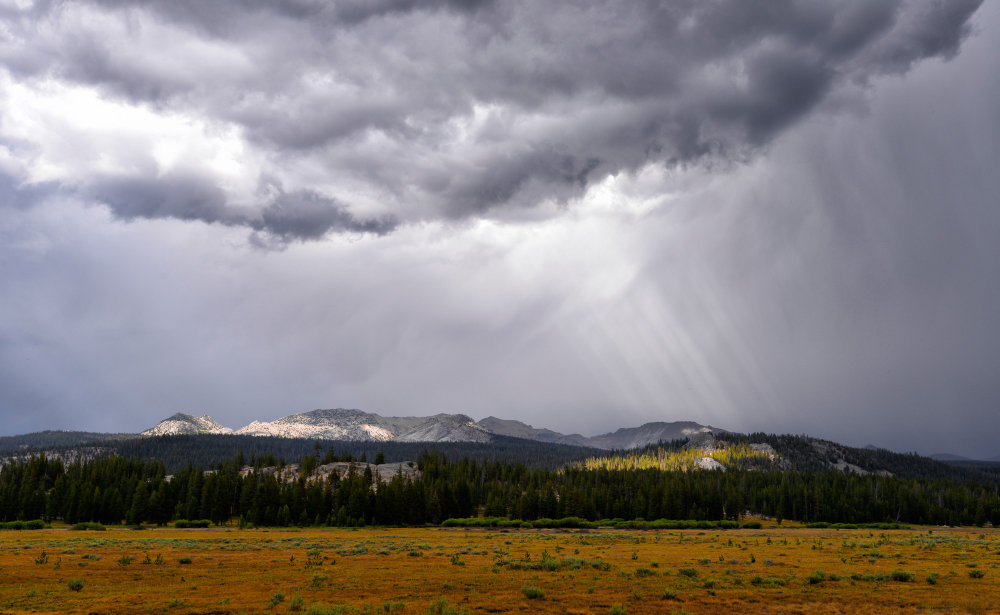
As the storm runs out of fuel, updrafts slow down and eventually stop. Without warm air rising to sustain it, the storm begins to collapse in on itself.
Key Traits:
- (a) Downdrafts Increase
- (b) Updrafts Stop
- (c) Storm weakens
(a)Downdrafts increase, pushing cooler air downward and cutting off the supply of rising moisture, and (b) stopping updrafts. The (c)towering cloud structure begins to break apart as the storm weakens, losing its sharp edges and vertical shape.
Light rain may continue, but the storm’s energy fades fast. From the ground, the worst has passed—winds calm, rain softens, and the dark cloud slowly dissolves from the bottom up.
This phase marks the end of the thunderstorm’s life cycle.
While the danger has mostly passed, wet surfaces, residual winds, and reduced visibility may still affect post-storm drone operations.
3 Conditions Needed for Thunderstorms
In order for thunderstorms to happen,
the following 3 elements must be present.
1. Moisture

There needs to enough water vapor moisture in the air for a thunderstorm to form. (This is why thunderstorms frequently occur when the humidity level is high.)
This water vapor provides the building blocks needed to create clouds and precipitation.
2. Unstable Air Conditions

Unstable conditions occur when air temperature cools rapidly the higher the sky goes.
This rapid cooling lets warm air near the ground rise easily, which starts the process of making the large thunderstorm clouds known as cumulonimbus clouds.
3. Lifting Force

Thunderstorms result from the rapid upward movement of warm, moist air.
It requires:
Something to Lift the Air: There needs to be a force, like a front (meeting of air masses), a mountain, or the rising lift of hot air rising from the ground.
Trigger for Upward Motion: This force acts as a trigger, lifting the warm, moist air, starting the process that leads to the development of thunderstorms.
SIGMETS: Vital Weather Warnings
SIGMETs deliver vital weather advisories during flights, especially severe thunderstorms. SIGMETS offer essential information that enhances flight safety. Tuning into this radio frequency is one of the best resources for preparing for adverse weather conditions along your route.
SIGMETs will give you information on:
- Surface winds gusting at 45 knots or above.
- Hail measuring 1 inch in diameter or larger.
- Tornado occurrences.
- Embedded, line, or area thunderstorms.
- Severe thunderstorms rated at VIP level 5 or higher that affect 50% or more of an area of at least 4,000 square miles.
Hazards Related to Thunderstorms
Lighting
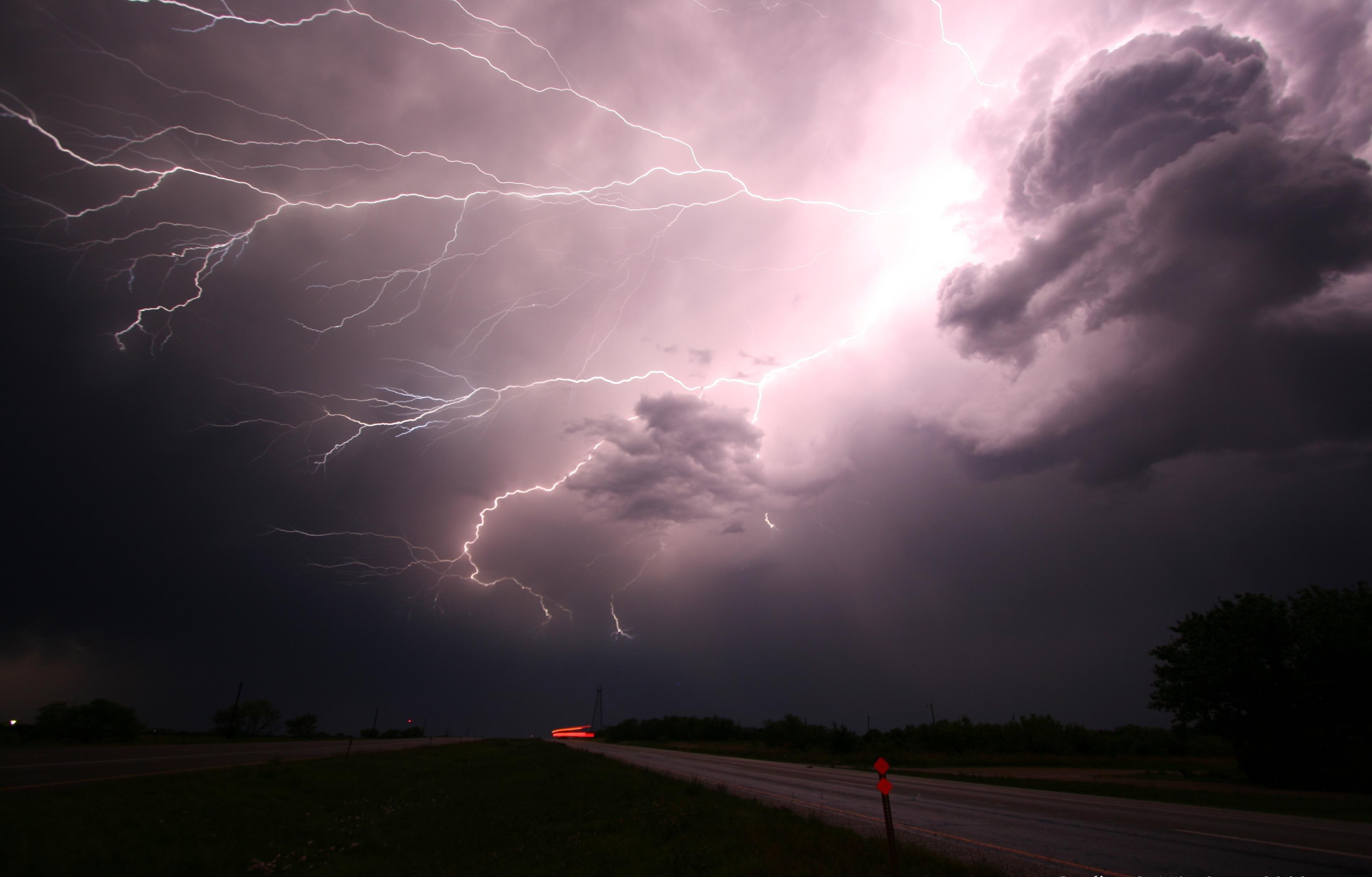
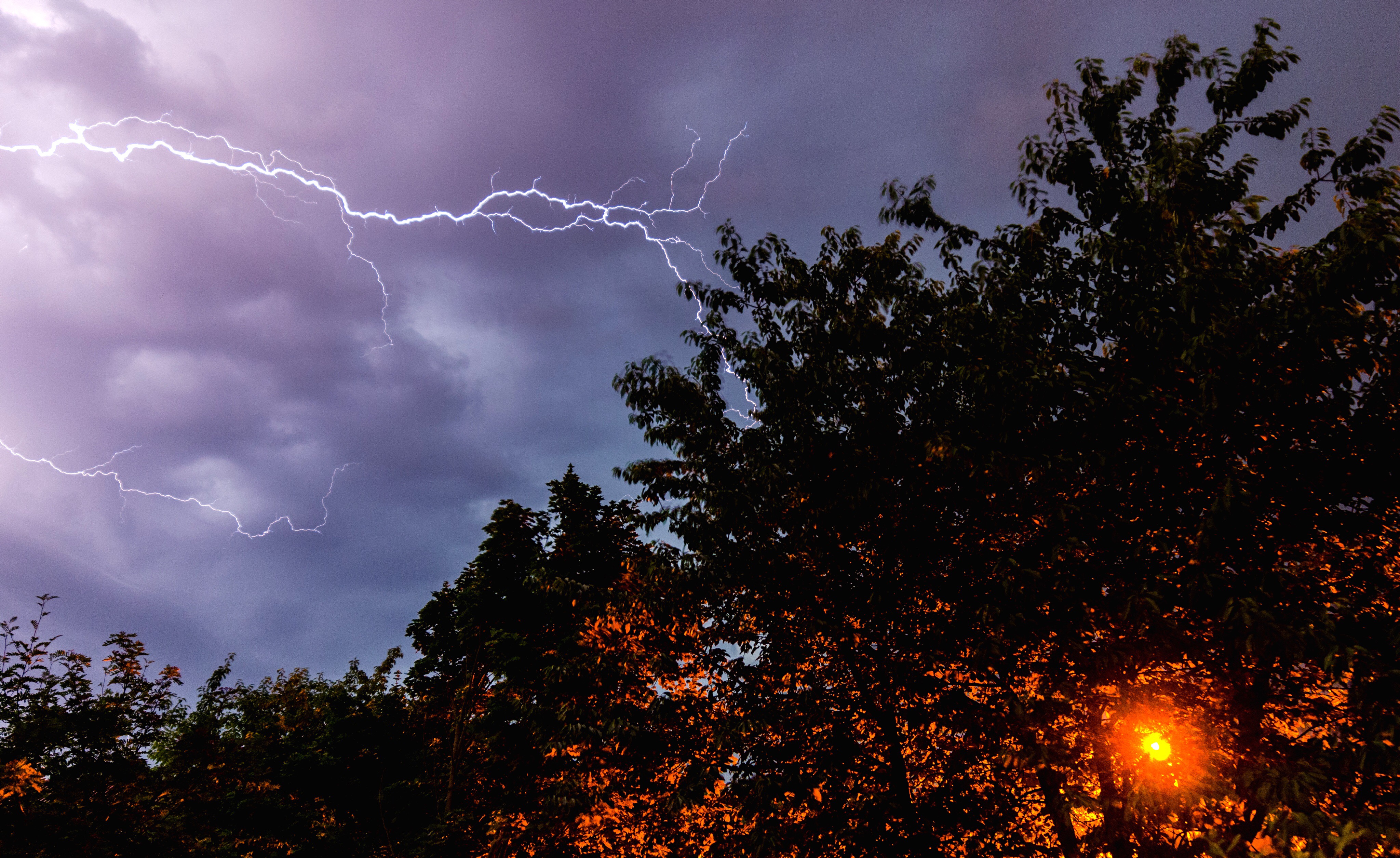
Consistently associated with thunderstorms because it results from the buildup and discharge of electrical energy within the storm clouds.
Lightning is the most hazardous circumstance when operating an sUAS in close proximity to thunderstorms because any lightning strike within the vicinity can potentially damage or destroy the drone’s electronics.
Hail
Thunderstorms can also bring hail, small balls of ice, which can hit areas far from the storm, including where you’re flying your drone. Don’t assume you’re safe just because the storm seems far away—hail, even small pieces, can damage your drone.
Turbulence
Thunderstorms are notorious for generating severe turbulence, especially in their mature stage. The intense updrafts and downdrafts within this stage can create sudden and strong changes in air movement making sUAS control difficult.
Icing
Thunderstorms at high altitudes create supercooled water droplets that freeze on aircraft surfaces, causing structural icing. Icing on drones increases weight, disrupts aerodynamics, reduces lift, and can lead to loss of control.
Microbursts
Thunderstorms can create microbursts, which are sudden, strong winds that blow downward. Microbursts can cause aircraft to drop quickly and are very dangerous during takeoff or landing.
Wind Shear
Wind shear refers to a sudden change in wind speed or direction over a short distance, either horizontally or vertically, within the atmosphere. It can occur at any altitude and is especially important during weather events like thunderstorms, where it can have a significant impact on aircraft performance and safety.
Squall Lines
(Most dangerous type of thunderstorm to aircarft)
Squall line thunderstorms are the most dangerous to aircraft because they produce severe weather such as high winds, hail, turbulence, and tornadoes.
Squall lines are often associated with cold fronts and wind shear, which contribute to their rapid intensification and potential for widespread damage, flash flooding, and dangerous flying conditions.
Tornadoes
Tornadoes can potentially develop from any cloud linked to a severe thunderstorm, even if it’s many miles from the main thunderstorm cloud.
Quick Review
Flash Cards
Vigorous Updrafts
are part of which thunderstorm stage?Cumulus Stage
Stage 1Peak Intensity
are part of which thunderstorm stage?Mature Stage
Stage 2Anvil-shaped Cloud
are part of which thunderstorm stage?Dissipating Stage
Stage 3
Powerful Updrafts & Downdrafts
are part of which thunderstorm stage?Mature Stage
Stage 2 (accompanied by precipitation)
Cumulonimbus Clouds
are part of which thunderstorm stage?Cumulus Stage
Stage 1
Downdrafts Increase & Updrafts Cease
are part of which thunderstorm stage?Dissipating Stage
Stage 3
Rain Starts
are part of which thunderstorm stage?Mature Stage
Stage 2 (start of rain signals start of mature stage)
Weakening Storm
are part of which thunderstorm stage?Dissipating Stage
Stage 3 (marking the concluding phase of the thunderstorm’s life cycle)