Getting Started
Why it Matters for Flying
Fieldwork Foundations
Picture this:
You’ve picked up a gig with a local urban planning company to document aerial footage of the development of a recent city-wide project they secured a contract for. The idea is to get footage starting from the pavement itself, and slowly spiral upward in a gentle 360 degree fashion, in order to achieve a specific shot for their social media and website you pitched them on.
Here’s the thing, certain surfaces like buildings and mountains respond much more specifically to wind and weather patterns.
In this case, given you’re wanting to fly your drone near buildngs, you’ll need to prepare for the way wind can wrap and whip itself around building edges and corners, along with your drone caught in the crossfire.
In this lesson we’re going to look at a few places where wind patterns become turbulent due to the surface and their interaction. This includes buildings and urban areas, coastline winds, and mountainous regions.
Lesson Focus
Weather Foundations
In this lesson, you’ll learn how different terrain features, both man-made and natural, can produce updrafts, downdrafts, and turbulent zones for your airborne sUAS.
We’re going to look at sUAS flight near:
- Buildings and Within Cities
- Mountains
- Coastlines
sUAS Flight Near
Buildings
and in Cities
How Buildings Disrupt Flight Path
Fieldwork Foundations
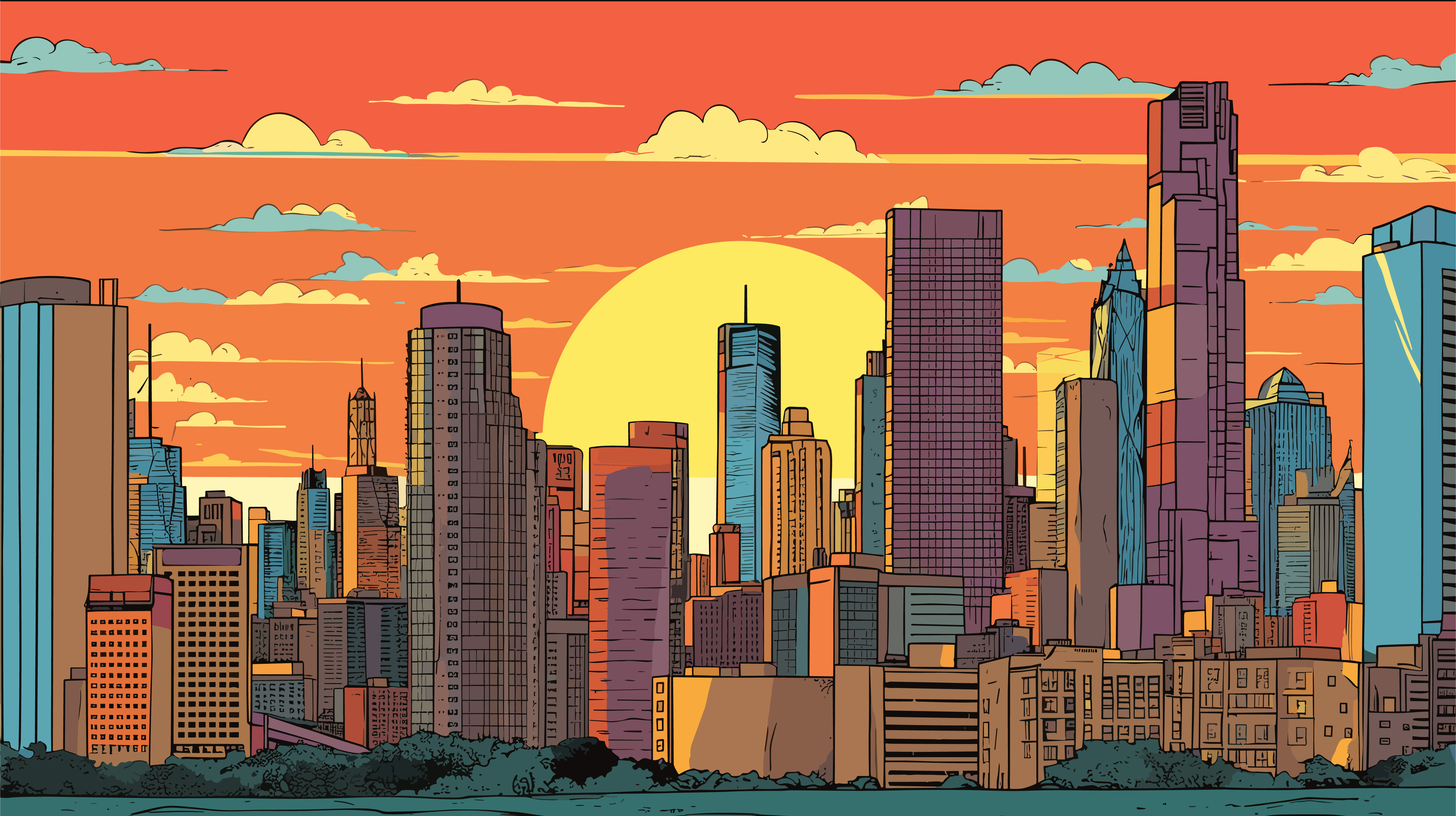
As wind moves through a city, it collides with buildings, funnels through alleyways, and gets deflected upward along high-rise walls.
This creates a chaotic blend of wind patterns and movements, from updrafts, downdrafts, and turbulent gusts.
If you’ve ever felt like you’ve been inside of a wind tunnel while walking through city streets, you’ll know exactly what we’re talking about. (If you’re yet to venture into a metropolis, get yourself a bus ticket to the Big Apple this week.)
Wind Gusts and Building Effects
Invisible Hazards in Every Alley
So, what exactly causes all this windy chaos in the city, you ask?
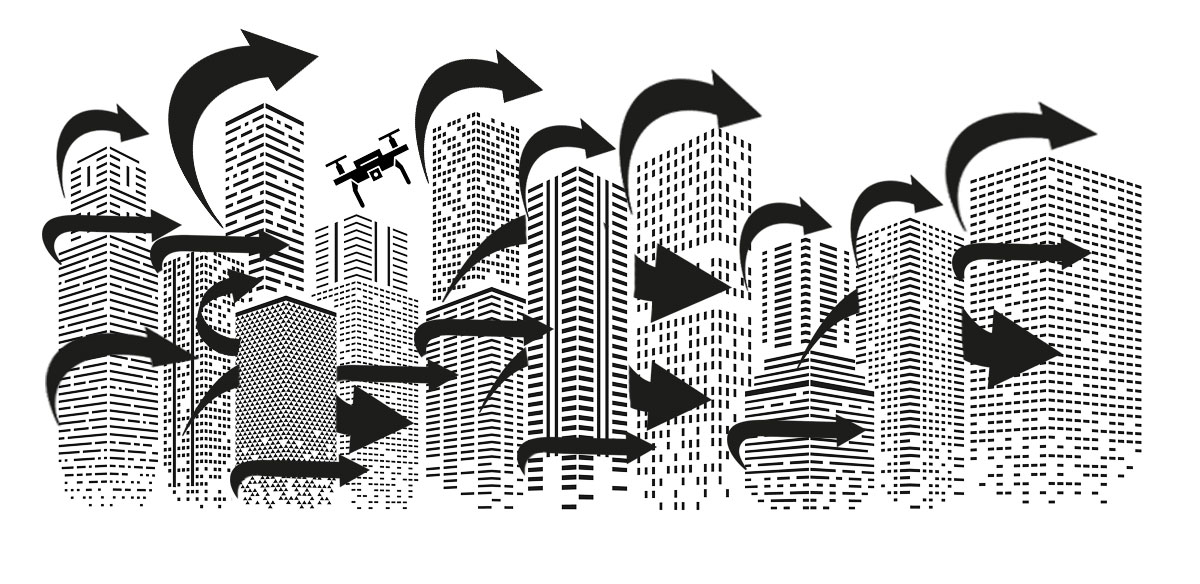
It’s simple: When the wind hits a tall building, it has nowhere to go but up.
As soon as the wind hits the surface of the building, strong vertical currents of wind shoot upward along the face of the structure.
And these sudden updrafts that can lift your drone without warning, leading to a serious crash at worst and destabilizing your flight at best.
In addition to the updrafts along the building surfaces, you also have unpredictable wind whipping along the corners and edges of the building.
These vortex zones can whip your UA sideways, flip its orientation, or slam it into the structures be it the building itself or a light post, etc.
If you’re flying between buildings, near rooftop edges, or within narrow corridors, one unexpected gust can turn into a total loss of control.
The graphic below gives you a good look at what your done will be facing while up in the air, while you’re down on the ground.
sUAS Flight
Near Mountains
When Wind Meets Elevated Terrain
In mountainous terrain, the wind doesn’t flow evenly on different sides of the mountain.
Here’s a simple breakdown, and then we’ll look a little more closely at the two sides of a mountain:
- On the windward side of the mountain wind gets pushed upward, creating updrafts.
- Then it crests the ridge and spills down the leeward side.
- On the leeward side, the wind generate downdrafts and turbulent wind shear.
sUAS Flight on the Windward Side
The windward side is where wind hits the mountain head-on.
Wind gets pushed upward along the slope, creating updrafts pushing upwards towards the top of the slope. These rising currents can help with airborne lift for your sUAS, but too much lift, too fast, can destabilize it or cause it to gain too much altitude unexpectedly.
Always monitor your rate of climb closely. Once the wind picks up your sUAS, you’re much more likely see it get blown directly into the side of the mountain.
sUAS Flight on the Leeward Side
Once wind crosses the mountain peak, it spills down the leeward side, often chaotically and with force.
This is where the trouble begins for your airborne sUAS. It will experience:
- Downdrafts: Sudden vertical drops in air can push your UA toward the ground without warning, especially if you’re flying low to the terrain.
- Turbulence: The wind on the leeward side is rough, irregular, and unpredictable. Think swirling pockets of unstable air that throw off your drone’s balance instantly.
- Wind Shear: The abrupt shift from rising air to falling air can produce dangerous wind shear, making it hard to maintain altitude or heading.
If you’re flying near cliffs, ridgelines, or the backside of a slope—be ready. What looks like calm conditions on one side can flip fast on the other.

sUAS Flight
Near Lenticular Clouds

Spotting Lenticular Clouds = Turbulence Ahead
Fieldwork Foundations
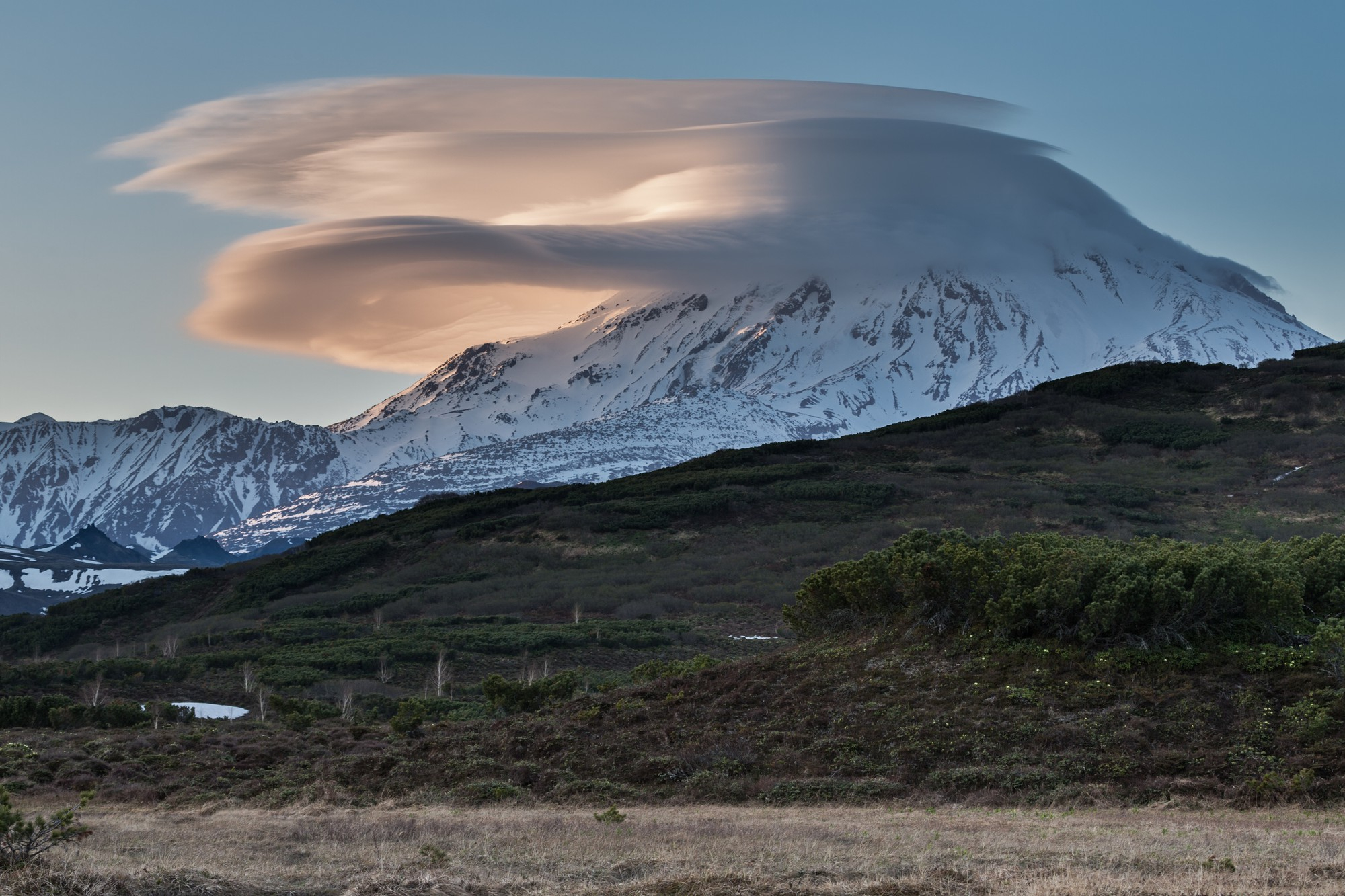
If you see lenticular clouds lingering over a peak, assume that wind is rushing up and over that ridge fast enough to bend the atmosphere into its trademark shape. That’s your cue to avoid flying near that zone until conditions settle. They are a visual cue that the air above is turbulent.
Here’s what you’ll need to look out for:
- Shape and Appearance: Lenticular clouds are lens-shaped clouds that form perpendicular to the direction of the wind. They resemble saucers or pancakes, and can sometimes appear stacked in layers—like a pile of silver discs hovering in place.
- Turbulence: These clouds form in areas of strong wind and are often associated with serious turbulence, especially near their edges. The smooth, sculpted appearance may look calm, but the air inside and around them is moving fast.
- Wind Patterns: The presence of lenticular clouds often indicates strong and turbulent wind flow over mountains. If you spot them, it’s a signal that the air is unstable and fast-moving at altitude.
sUAS Flight
Near Sea and Land Breezes
Sea Breezes: Daytime
Daytime Shore-Line Updrafts
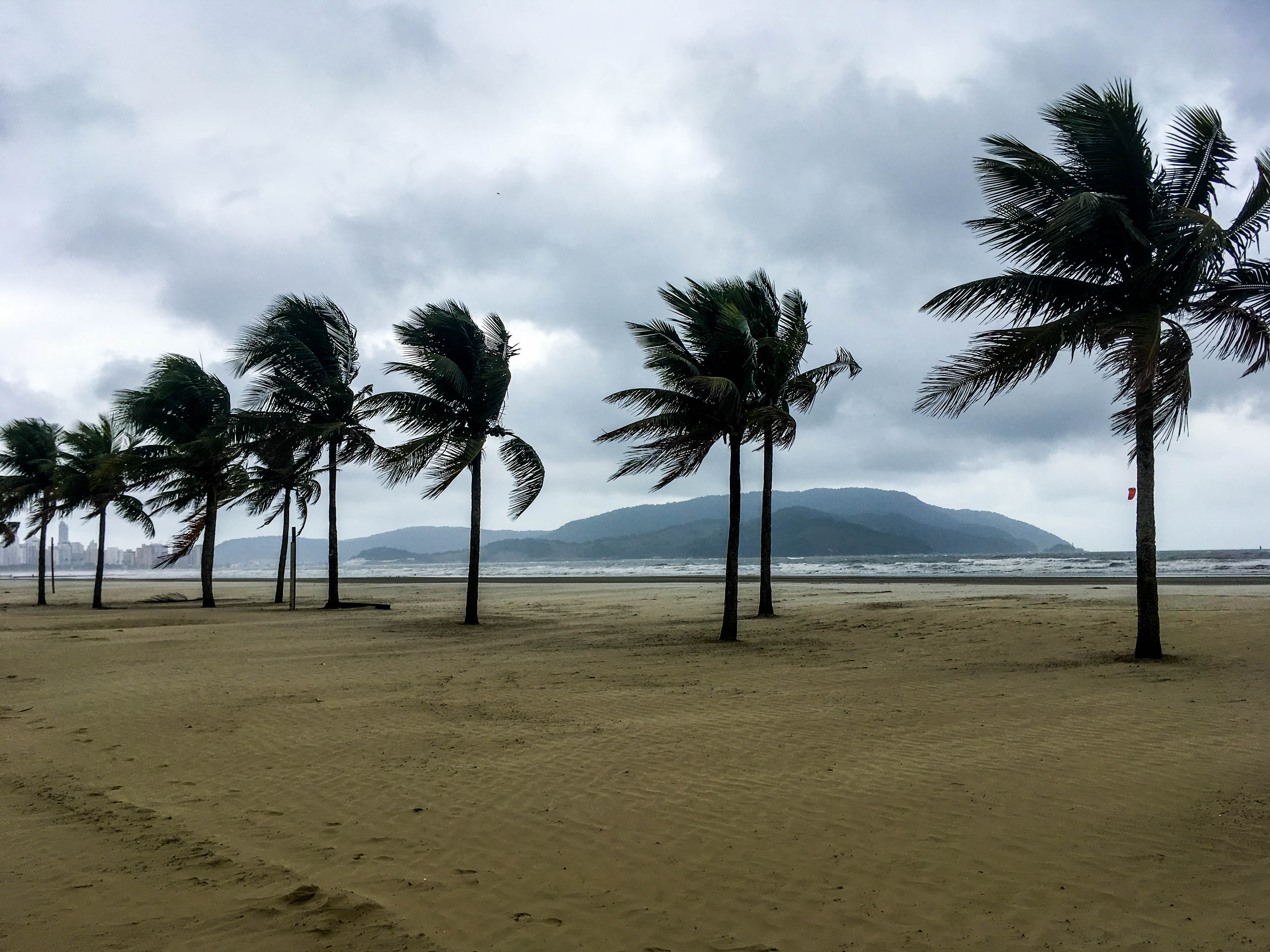
While the sea breeze may feel refreshing to your skin and hair blowing in the wind at ground level, it can create windy, vertical updrafts that can cause significant turbulence for your sUAS flight.
How do sea breezes happen, you ask?
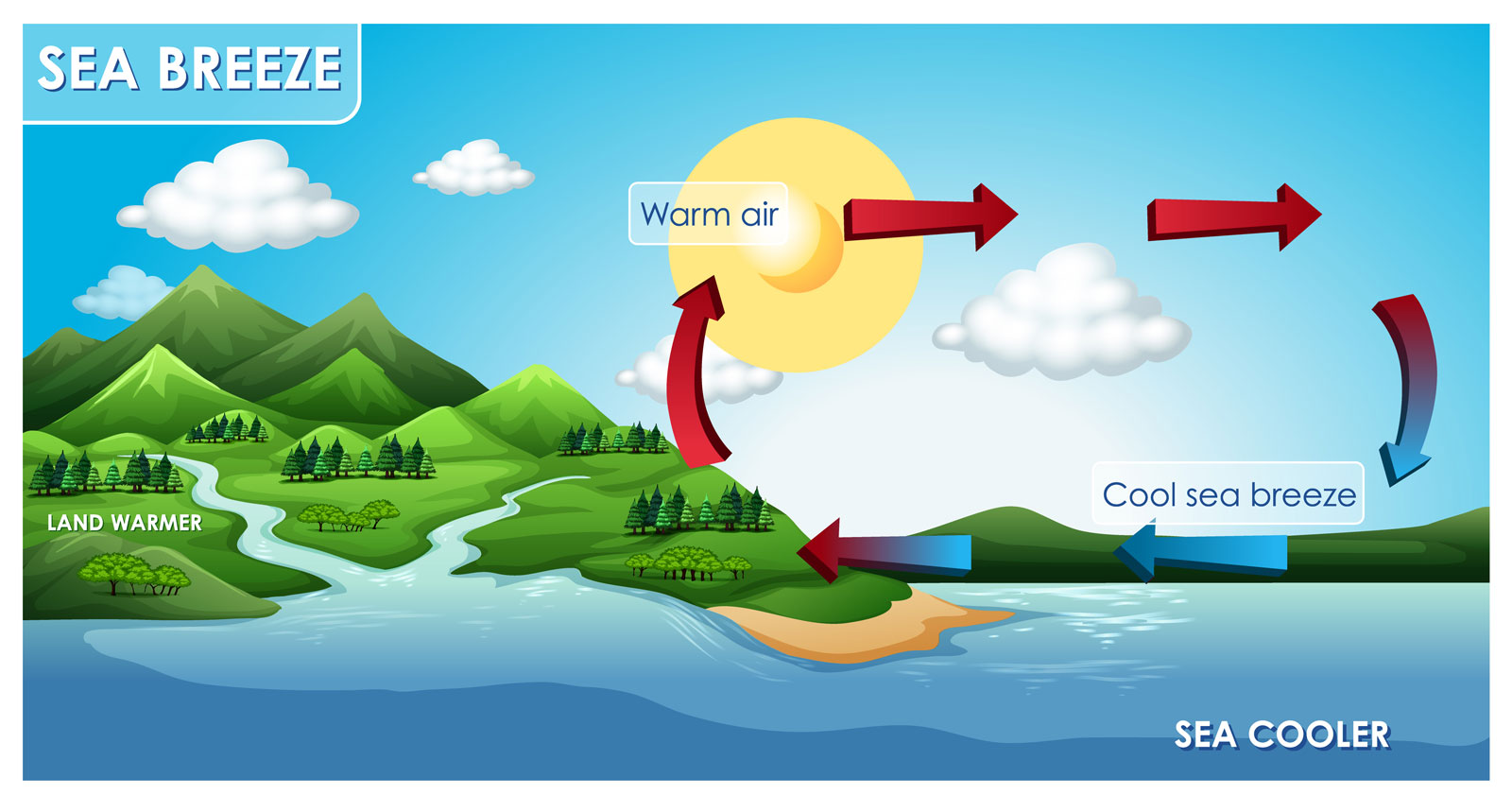
The flow of cool air rushing inland toward the coastline can cause unexpected winds that lift and create turbulence. This is especially true when flying your sUAS at lower altitudes near the coast.
During the day, the coastal land heats up faster than the ocean’s water at its boundary and beyond. As the sun warms the coastal land, the air begins to rise. Then, cool, dense air over the ocean rushes in to fill that gap over the coastal land. This creates what we call a sea breeze. It literally is a breeze coming in from the sea.
Land Breezes: Evening
Evening Shore-Line Downdrafts

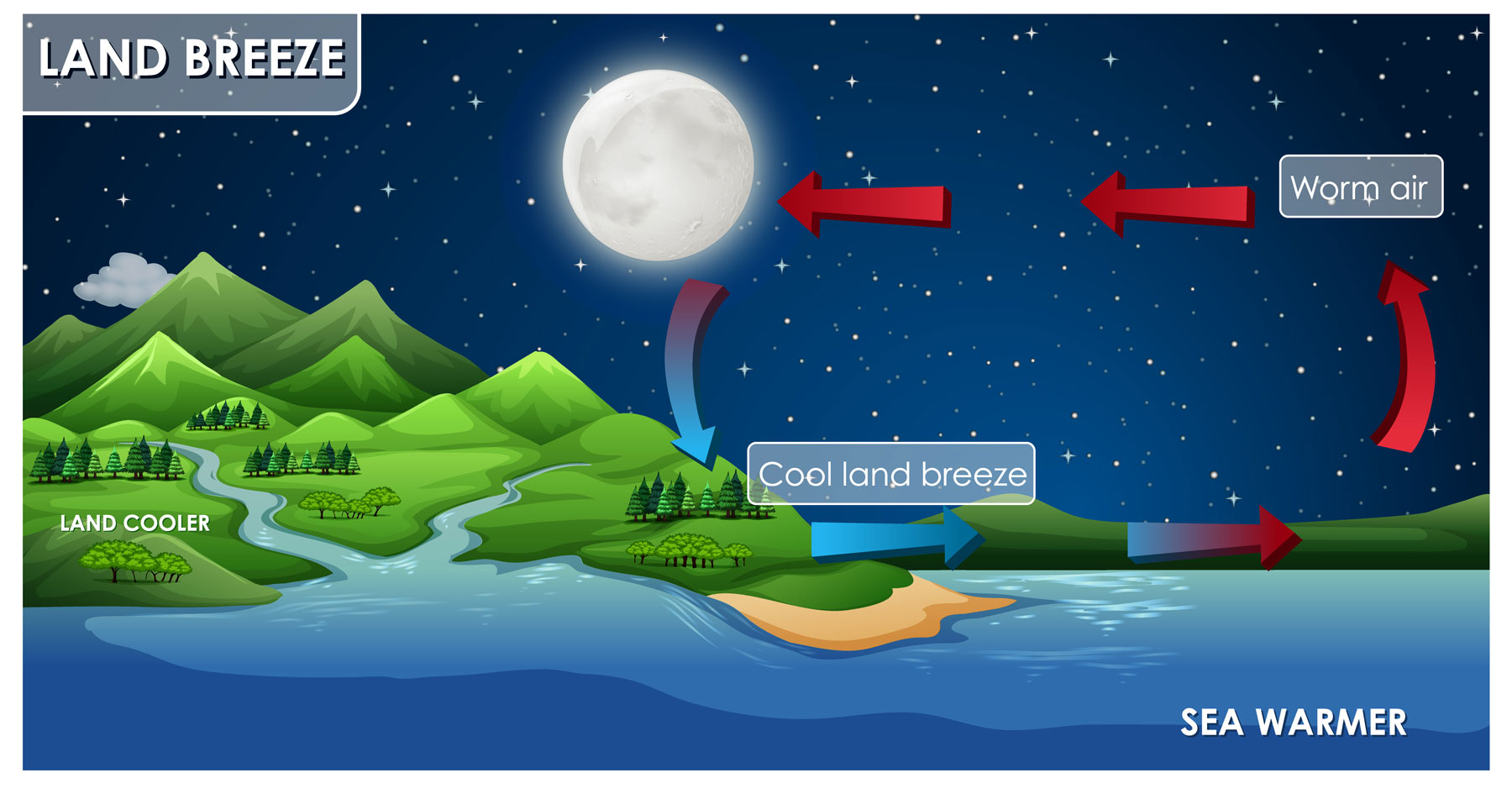
After sunset, the opposite of the sea breeze happens. In this case, the coastal land cools more quickly than ocean’s water. As the air over costal land cools down and becomes more dense, it flows out toward the warmer ocean surface—creating a land breeze.
These winds are typically lighter than sea breezes, but they still matter for drone flight given the land breeze can create gentle downdrafts. Even though much more gentle than the sea breeze, the downdrafts of the land breeze can drastically influence stability during landing or low-altitude flight over coastal areas.
- Flight Note: Land breezes tend to form later in the evening and may continue through early morning. Be mindful of subtle downdrafts when flying close to the coast at night or during early morning operations.