Airspace Surfaces and Ceilings
This section focuses on the vertical boundaries of Class G, E, and D airspace — specifically where each class begins (its surface) and where it ends (its ceiling).
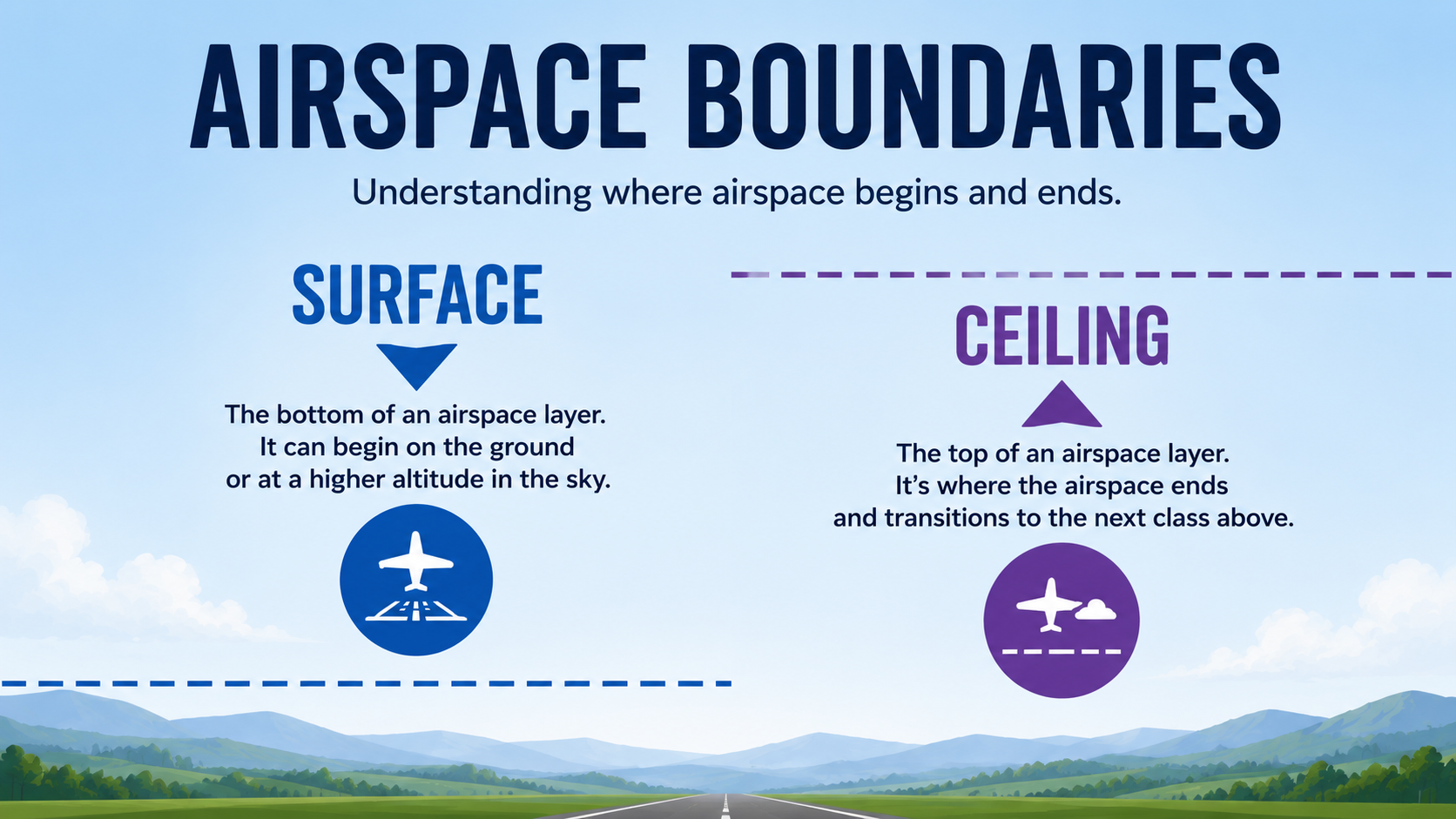
- Surface — Bottom of an airspace layer. Sometimes the surface begins on the ground itself, and other times a surface can start at higher altitude in the sky.
- Ceiling — This is the the top of an airspace layer, where it transitions into the next class above.
Flying into a class of airspace without understanding its boundaries, or without the required authorization, is a regulatory FAA violation. Depending on where you launch, you could be in uncontrolled airspace with no authorization required, or you could be in controlled airspace where flying without prior approval is illegal. That’s why you need to know exactly where each class begins and ends before you ever leave the ground.
Ceiling and Surface of Airspace
G & E
Class G & E Explained
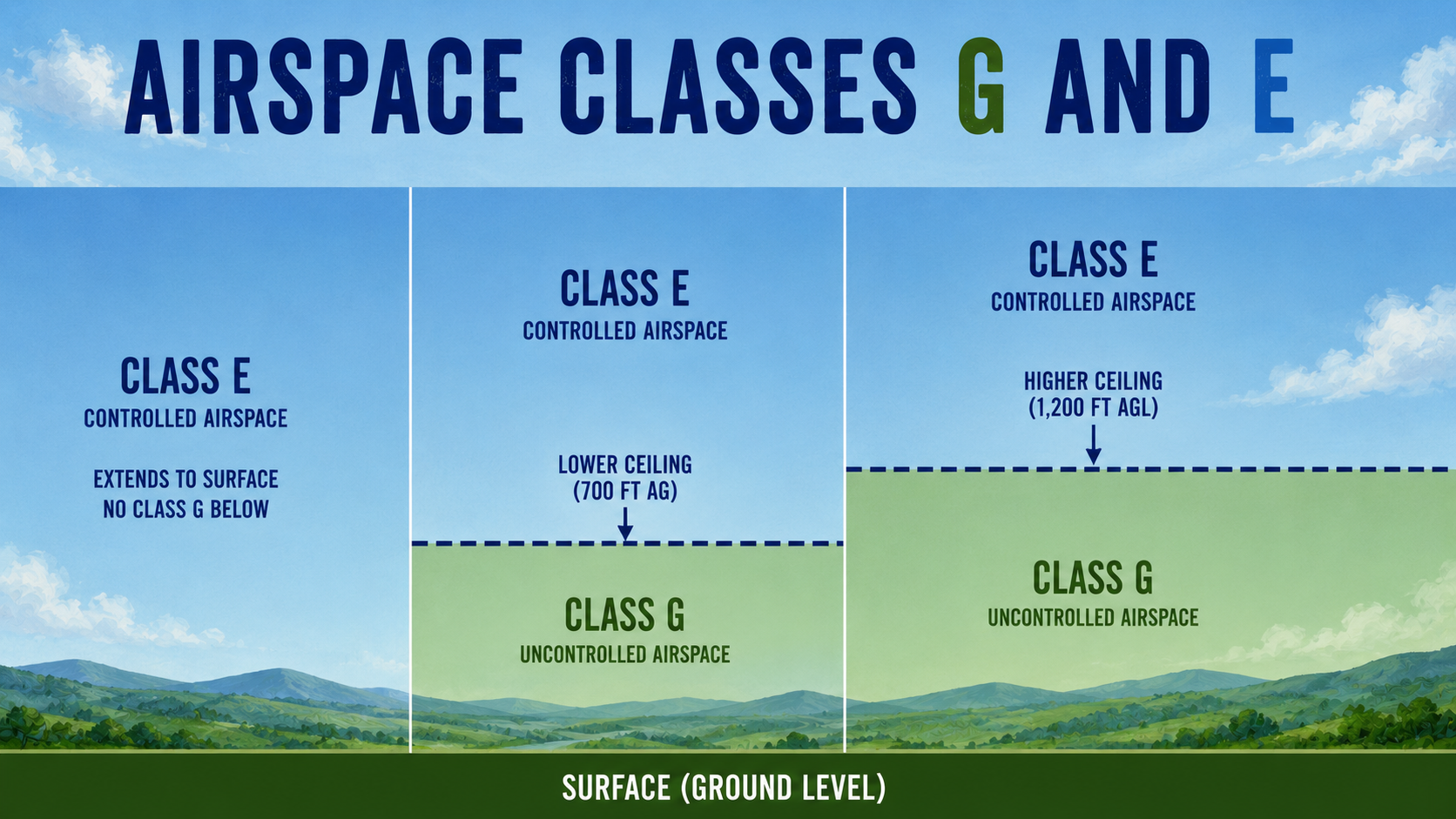
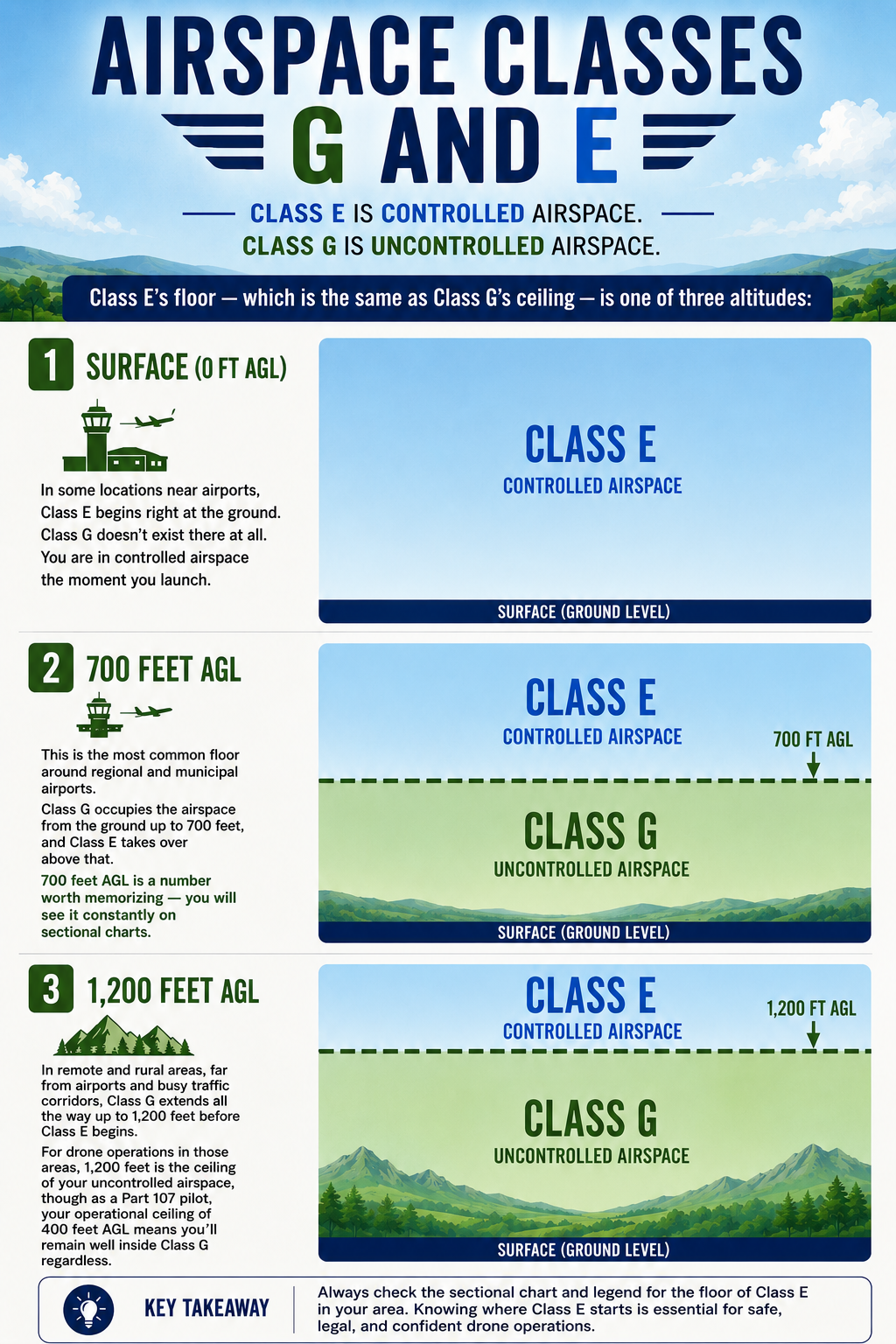
Class G is the lowest layer in the system, and it is the only class of airspace that is completely uncontrolled. It always begins at the surface (ground level at zero feet AGL) and exists everywhere and everywhere controlled airspace has not been established above it.
At the Class G’s ceiling, Class E begins. Depending on where you are, Class E can either begin at 700 ft AGL, or it can extend higher to 1,200 ft AGL.
Class D
Always starts at ground-level, and has a ceiling of 2,500 feet AGL.
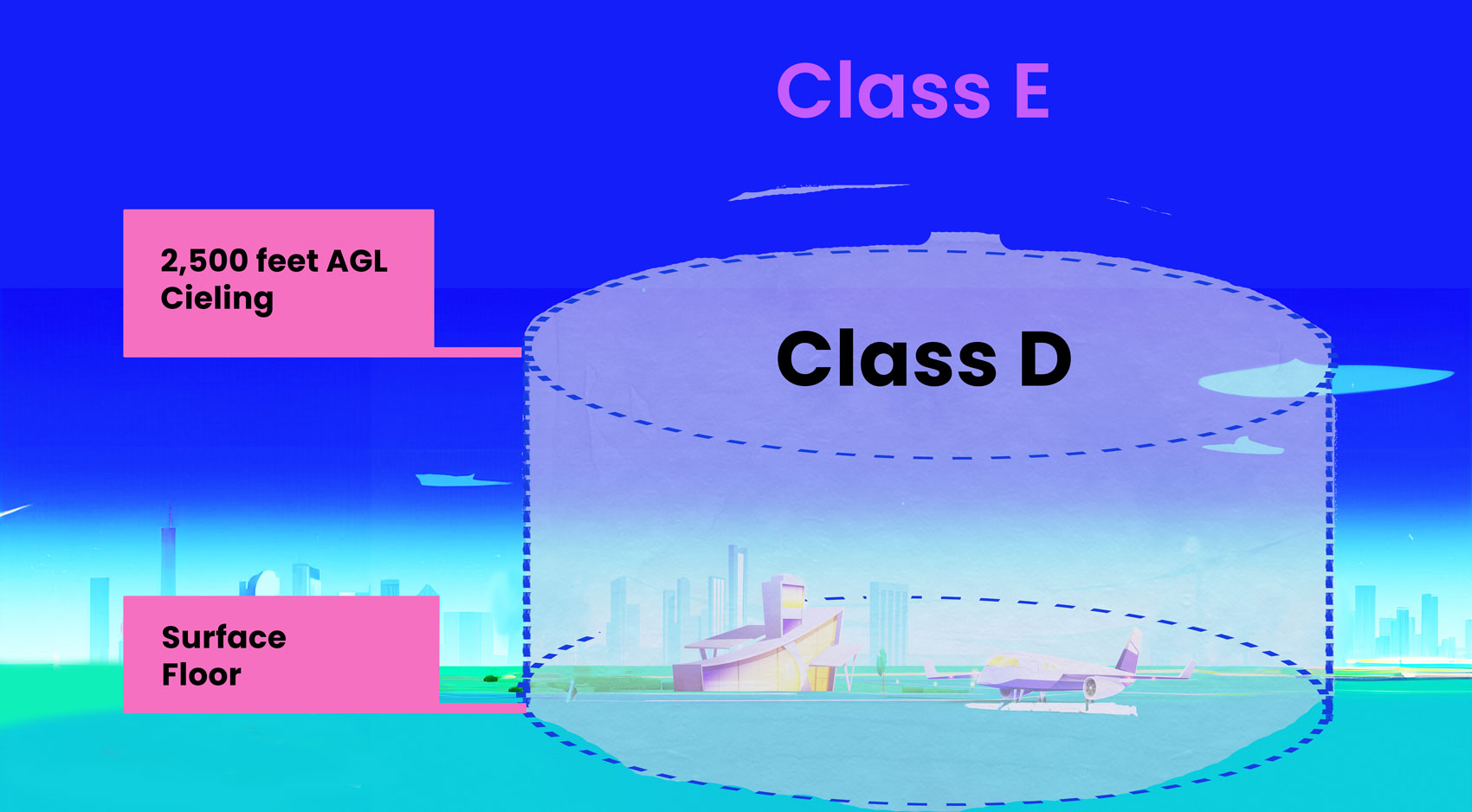
Class D airspace looks like a defined column of airspace that rises from the surface and extends upward to a ceiling of 2,500 feet AGL. At that point it transitions to Class E above.
Unlike Class E, which covers vast regions of the country and can begin at different altitudes depending on where you are, Class D is local. It is built around a particular airport, and sized to manage the traffic pattern around that facility.
Surface and Ceiling of Class D:
- It always starts at the surface (ground level, zero feet AGL).
- The ceiling is always at 2,500 feet AGL.
- Above that, Class D ends and Class E begins.
–
One important caveat: Class D airspace is only active when the control tower is open.
When the tower closes, whether overnight, on weekends, or during holidays, the airspace transitions to Class E or Class G, depending on what exists there without the tower.
The hours of operation for any given Class D airport are published in the Chart Supplement, and they can also be found on the sectional chart itself. Before flying near a towered airport, always verify whether the tower is actually staffed at the time of your flight.
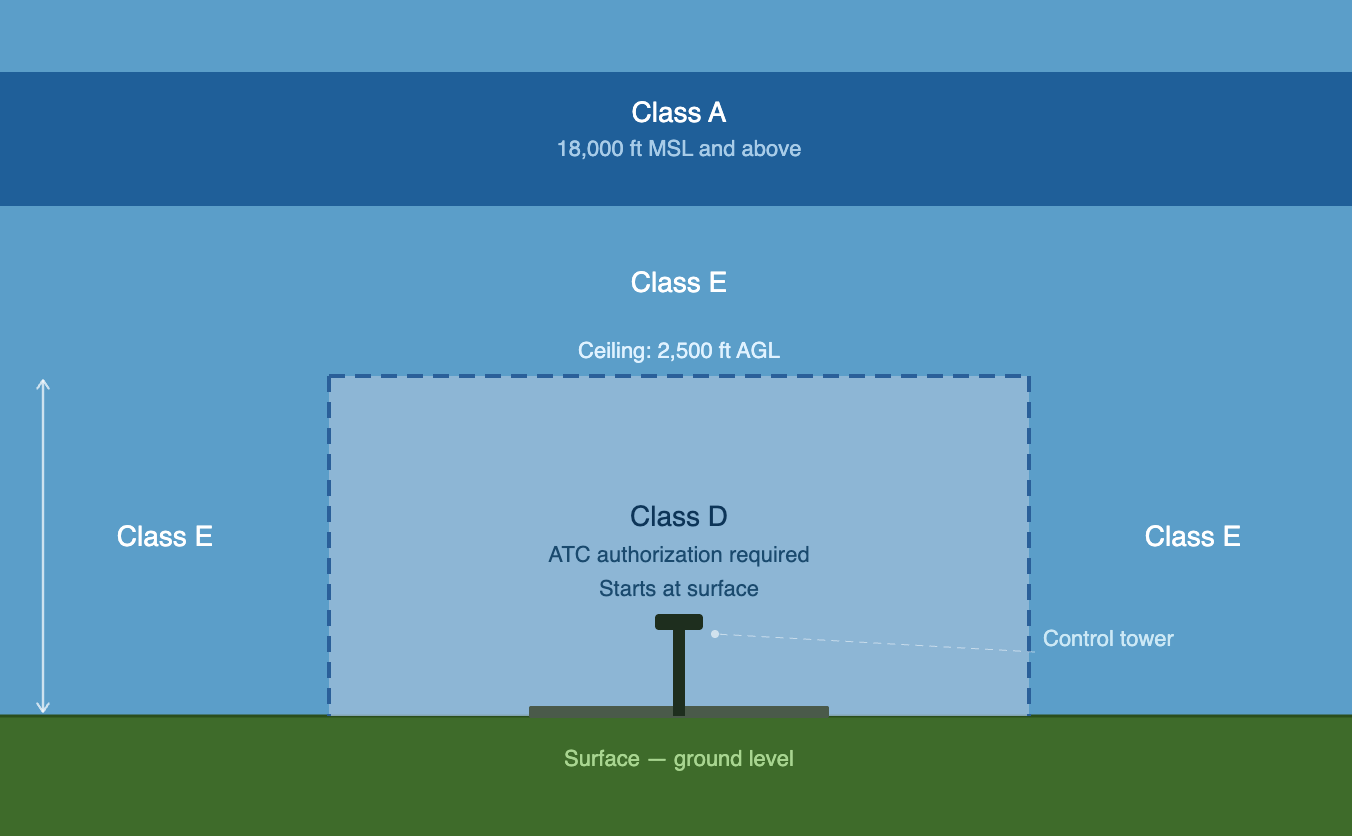
The diagram above shows Class D airspace as a defined column rising from the surface to a ceiling of 2,500 feet AGL, built directly around a towered airport. Class E occupies everything above that ceiling and extends outward on either side.
Practice Quiz
Class D on Sectional Charts
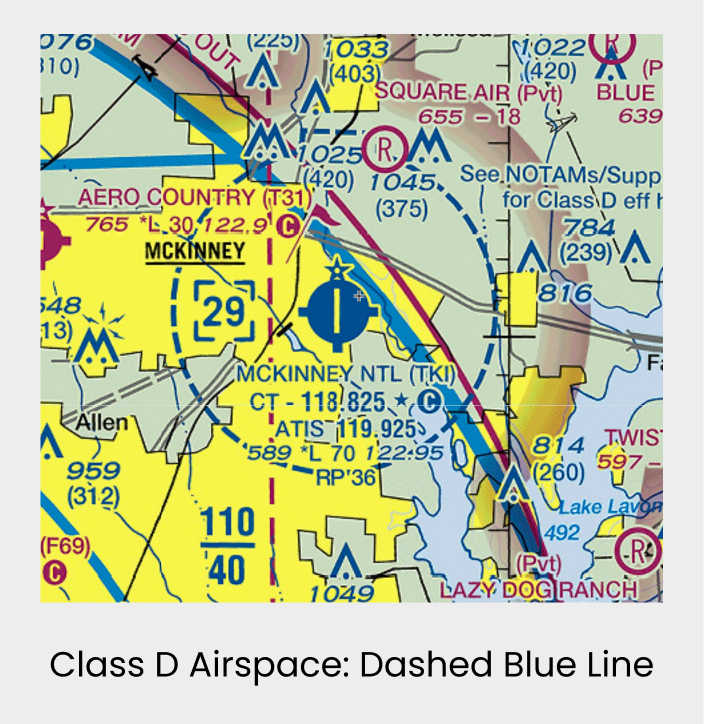
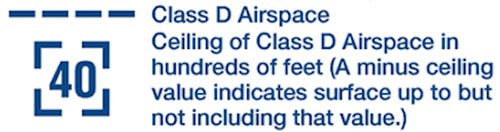
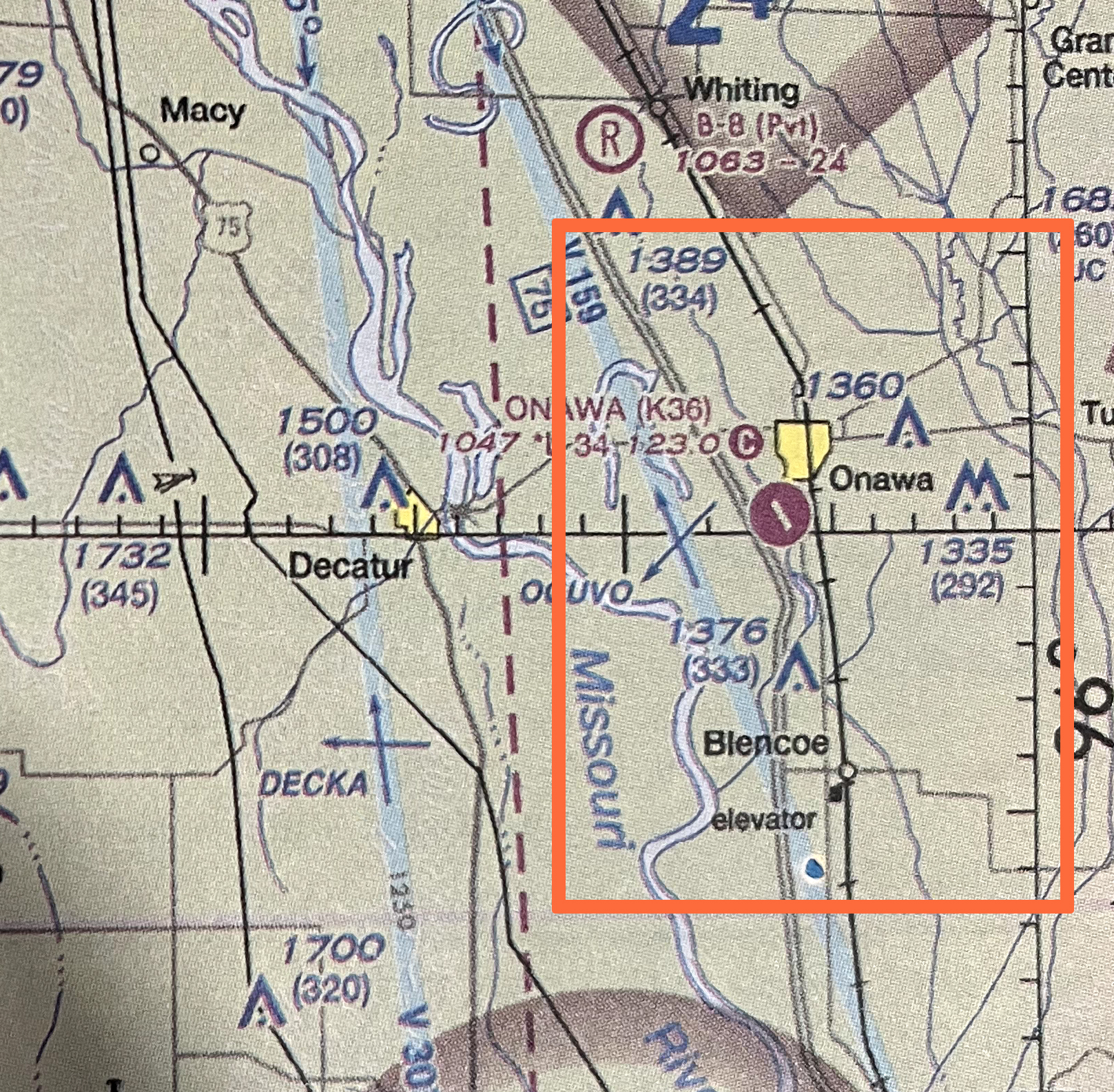
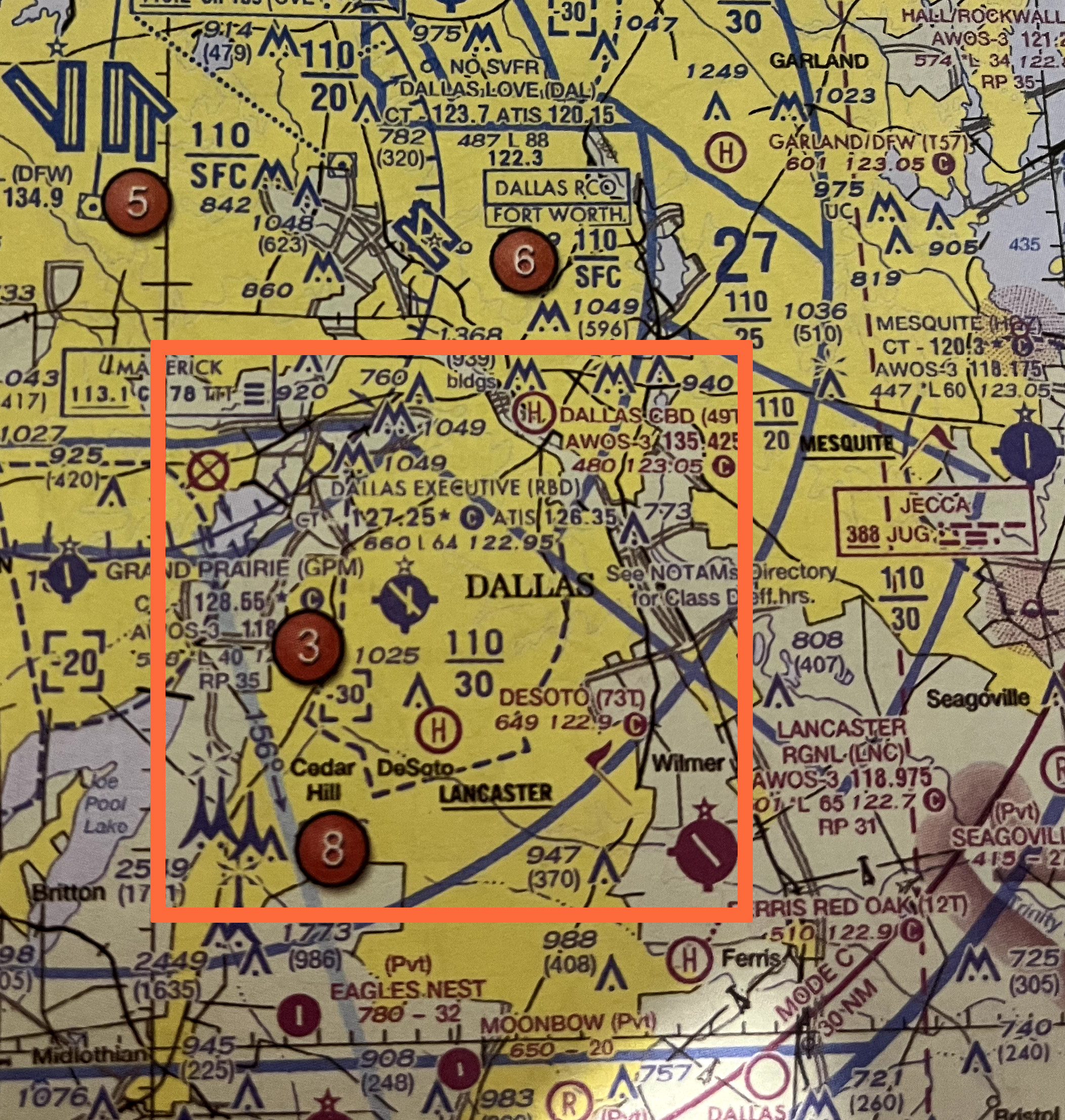
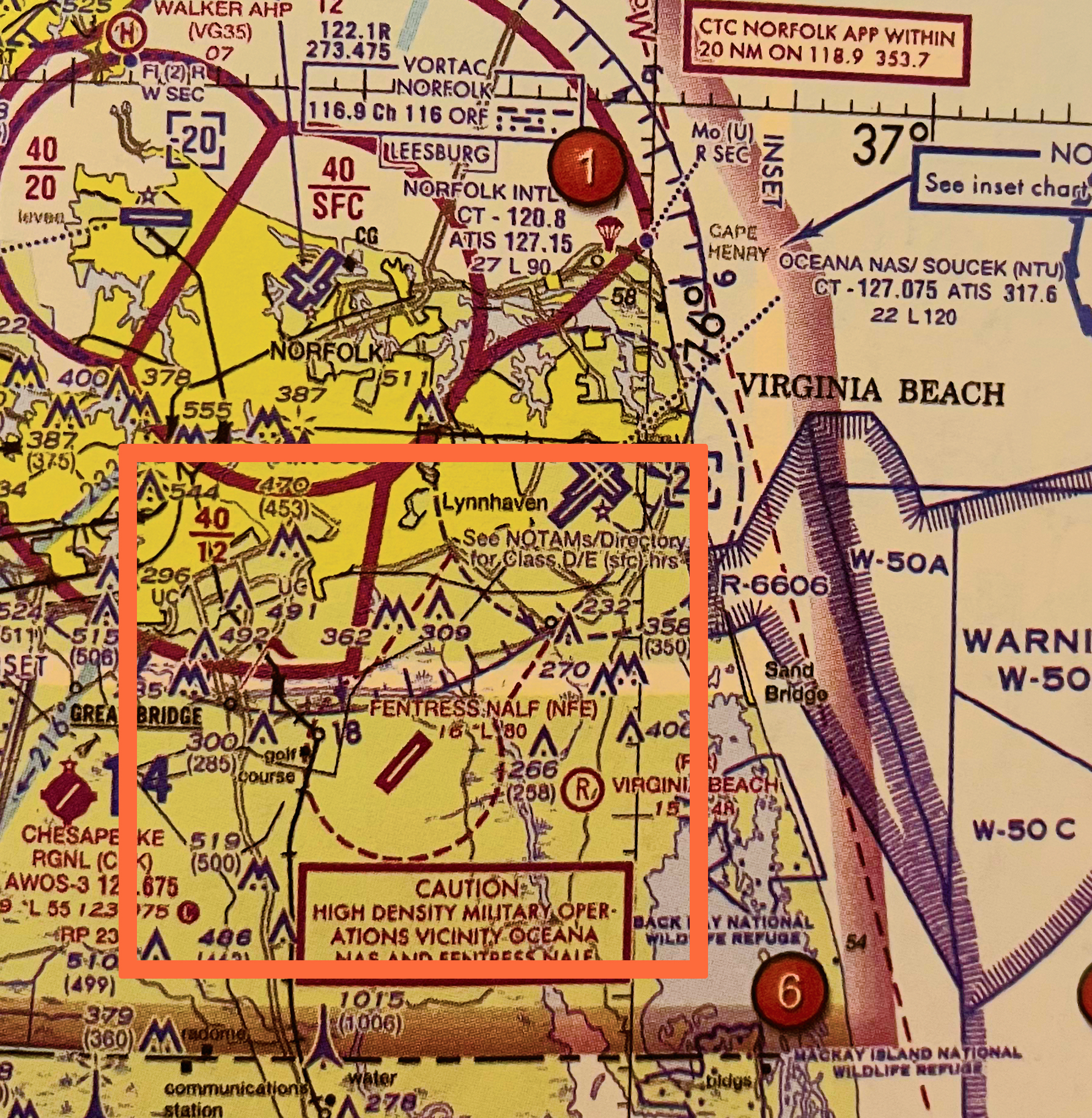
Class D airspace is depicted on sectional charts with a blue dashed line. It typically has a cylindrical shape around the airport, but the exact boundaries are tailored to the airport’s operational needs.
Class E on Sectional Charts
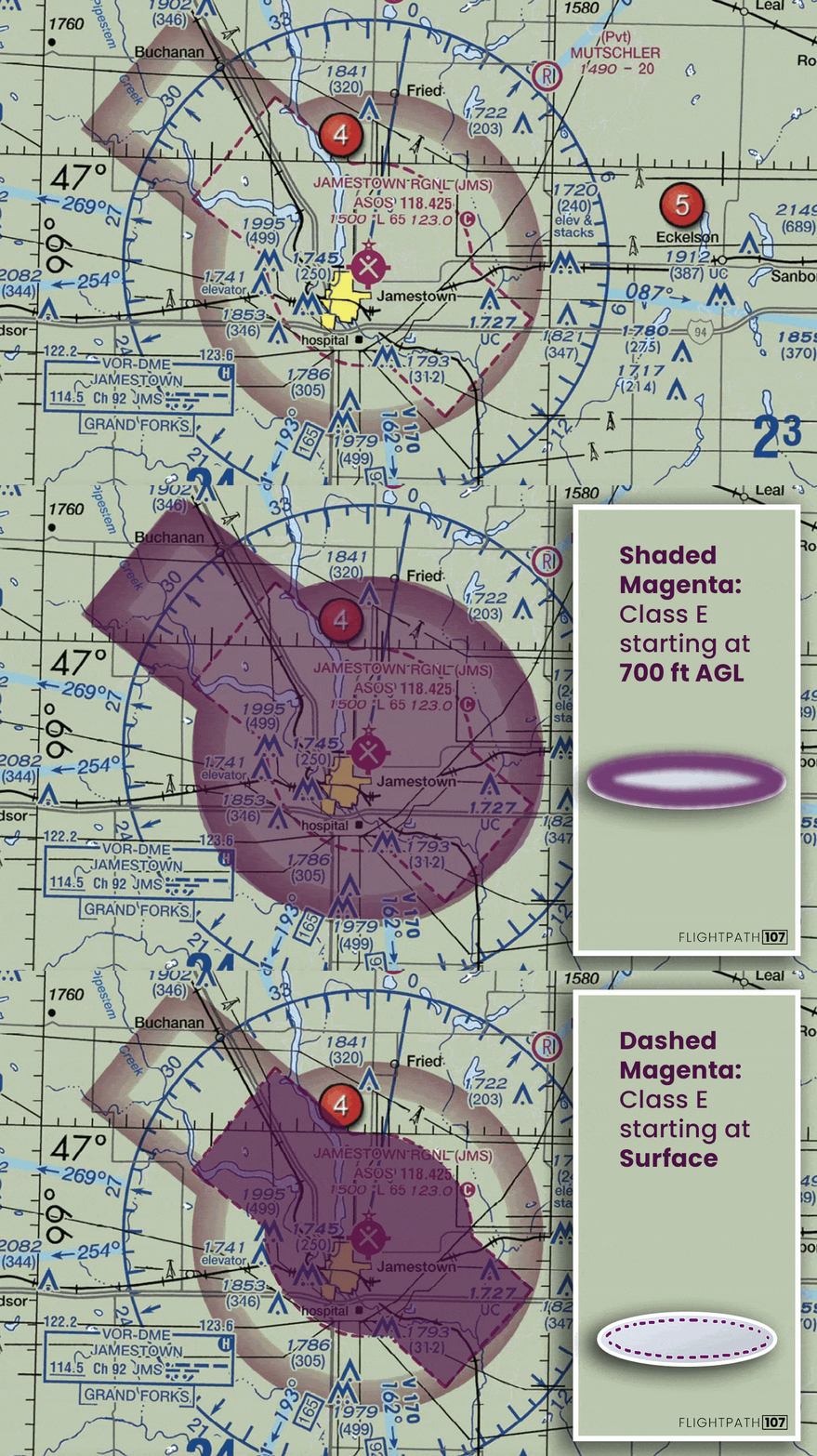
Below is Jamestown Regional Airport (JMS) is situated within two types of Class E airspace.
The area closest to the airport is marked by a dashed magenta line, indicating that Class E airspace starts at the surface and extends up to 700 feet AGL.
Farther out, the shaded magenta line marks where Class E airspace begins at 700 feet AGL.
CHANGE GIF ORDER SO THAT IT’S 1: PLAIN SECTIONAL CHART 2. STARTING AT SURFACE THEN 3. STARTING AT 700 AGL
Practice Quiz