
Pollution Mitigation & Air Quality Research
Data collection and analysis are the foundation for the creation of knowledge, and knowledge leads to the protection of our natural resources while enabling economic progress. The right kind of technology gets out of the scientist’s way and allows for a greater percentage of attention and focus on the creation of this critical knowledge. – Jeremy Schewe, PWS, Cofounder & Chief Scientific Officer, Ecobot
Tackling Lead Pollution with Drones (Case Study)
COPTRZ spent the day with Dr Paul Scholefield and Dr Stephen Lofts from the UK Centre of Ecology & Hydrology, experimenting with how drone technology can be used to establish sources of lead pollution.
Drone air pollution monitoring sensors to find the harmful gas and pollution
The drone-mounted air monitoring sensor with the air monitoring analysis software to detect air quality, find the pollution and harm gas location, included PM2.5.10, SO2, CO, NO2, O3, VOCs, H2S, NH3, HCI, CO2, H2, CL2 and more.
DJI M30 multi-gas detection air quality pollution monitoring sensor
The air quality sensor equipped with intelligent visual data analysis software, and high-quality three-dimensional gas concentration distribution data obtained in real-time can provide timely and effective decision support for environmental protection, emergency, smart city, oil, and gas plant and pipeline inspection, and other fields.
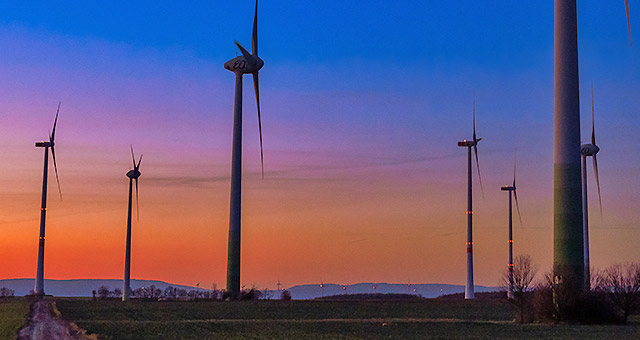
How Drone Operators Assist Clean Wind Turbine Energy
Drone technology minimizes the environmental impact of wind energy by enabling efficient inspections and early detection of turbine issues, reducing the need for invasive and carbon-intensive maintenance practices.
Drones collect crucial environmental data around wind turbine sites, contributing to optimized turbine performance and increased energy production, ultimately reducing greenhouse gas emissions.
By using drones for regular inspections, wind farm operators have reported a significant reduction in the downtime of wind turbines due to early defect detection.
The application of drones for inspections significantly reduces safety risks for maintenance personnel who would otherwise need to climb the tall wind turbine towers, potentially lowering the risk of accidents.
The use of drones for wind turbine inspections can reduce the environmental impact of traditional inspection methods that often require heavy machinery, vehicle emissions, and human labor, which can lead to carbon emissions.
About the Job: Inspection and Maintenance Schedules for Wind Turbines
Maintenance and Expection
Wind turbines typically undergo various levels of inspection and maintenance at regular intervals. The frequency of inspections can vary depending on several factors, including the manufacturer’s recommendations, the turbine’s age, location, and operational conditions. Here are some common inspection intervals: