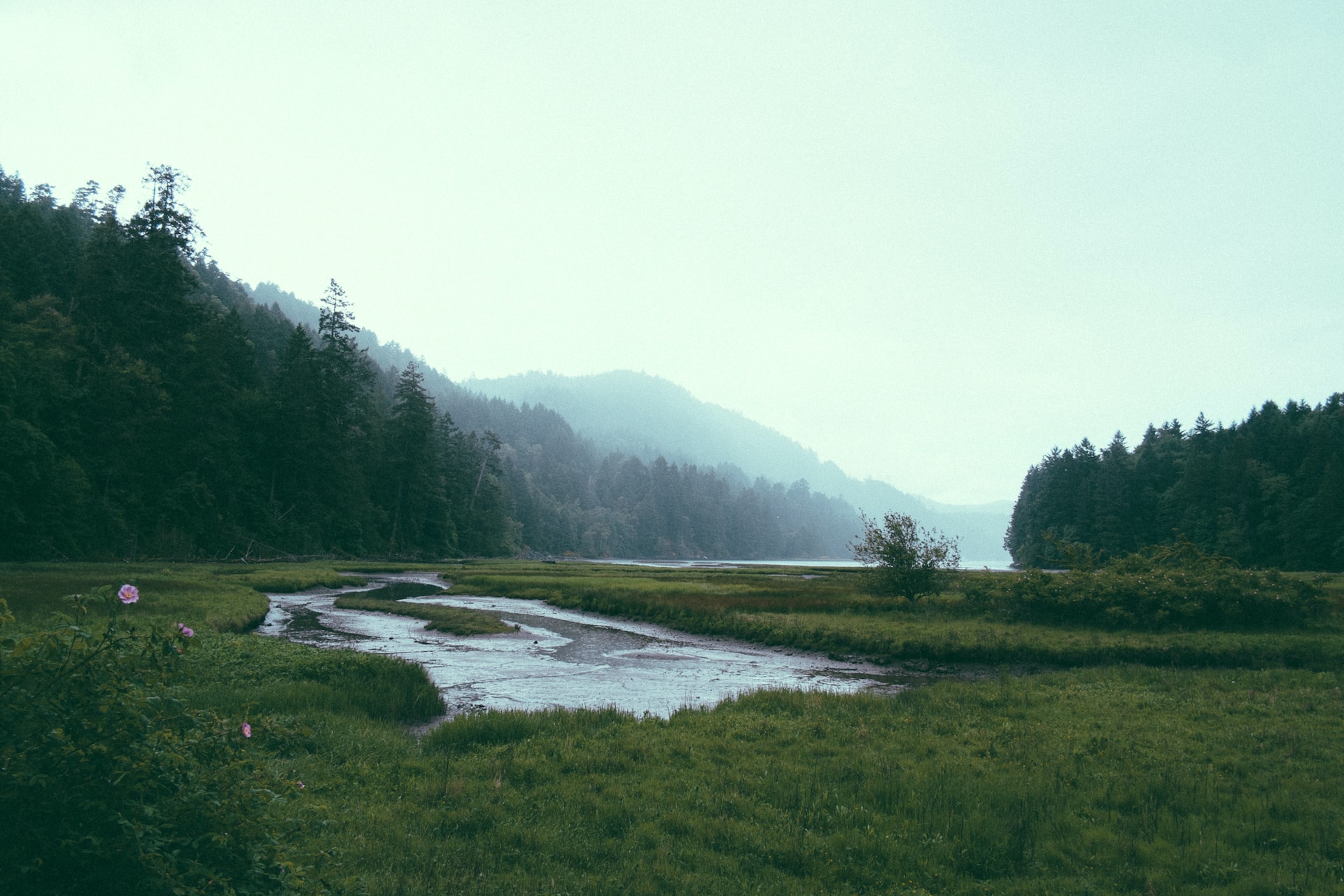
The restoration of natural habitats and wetlands is pivotal for safeguarding our environment and biodiversity.
These vital ecosystems act as nature’s filters, providing clean water, carbon sequestration, and refuge for countless species.
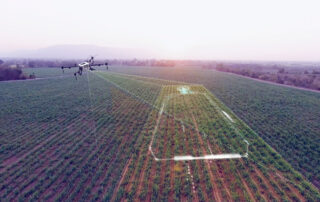
Drone Technology supports wetland projects that promote the coordination and acceleration of research, investigations, experiments, training, demonstrations, surveys, and studies related to the causes, effects, extent, prevention, reduction, and elimination of water pollution.
The number of wind turbines continues to grow as the wind energy industry expands and new installations are added.
110,000
million
Wetlands cover around 110 million acres in the United States
80,000
Annual net loss of wetlands acreage annually due to urban development and agriculture

Drone Tech Supporting Wetland Restoration
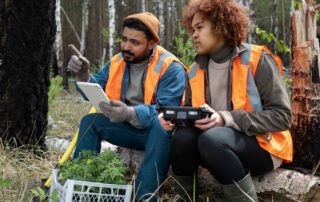
Data collection and analysis are the foundation for the creation of knowledge, and knowledge leads to the protection of our natural resources while enabling economic progress. The right kind of technology gets out of the scientist’s way and allows for a greater percentage of attention and focus on the creation of this critical knowledge. – Jeremy Schewe, PWS, Cofounder & Chief Scientific Officer, Ecobot
Aerial Video of East Texas Wetlands Restoration Project by Professional Drone Services of Texas
Houston drone photography and video by Professional Drone Services is helping scientists document the changes in once overfarmed, depleted land that is returning to its wild state to improve the ecosystem. More at www.droneservicestx.com
Wetland Restoration: Returning farmland to its original condition as a wetland
Wetland Restoration is returning a former or degraded wetland to its previous wetland condition. This video explores how Nathan Hudson in Laurel, DE, is using this practice to return farmland to its original condition as a wetland, providing wildlife habitat and improving water quality. (Video features wetlands throughout Delaware.)
Webinar: Convergence of Wetland Science and Technology: Mapping & Monitoring Wetlands w/Drones
This webinar introduces several case studies showcasing the integration of drone deployment with powerful GIS and field applications software. Advancements in the ever-evolving wetland science and technology ecosystem are creating massive levels of efficiency in wetland mapping and monitoring. Additionally, learn about how drones and apps can help narrow the scope of fieldwork efforts and reduce cost of regulatory wetland delineations.
How Drone Operators Assist Clean Wind Turbine Energy
Drone technology minimizes the environmental impact of wind energy by enabling efficient inspections and early detection of turbine issues, reducing the need for invasive and carbon-intensive maintenance practices.
Drones collect crucial environmental data around wind turbine sites, contributing to optimized turbine performance and increased energy production, ultimately reducing greenhouse gas emissions.
By using drones for regular inspections, wind farm operators have reported a significant reduction in the downtime of wind turbines due to early defect detection.
The application of drones for inspections significantly reduces safety risks for maintenance personnel who would otherwise need to climb the tall wind turbine towers, potentially lowering the risk of accidents.
The use of drones for wind turbine inspections can reduce the environmental impact of traditional inspection methods that often require heavy machinery, vehicle emissions, and human labor, which can lead to carbon emissions.
Projects that address the three
priorities identified by the U.S. EPA:
Do Your Research:
Reference for Further Information: U.S. Environmental Protection Agency (EPA) Office of Wetlands, Oceans and Watersheds (OWOW)
Website: http://www.epa.gov/owow/wetlands/grantguidelines/, contact information for the EPA regional offices that administer these grants is available on the Website.