Project Examples | Step-by-Step Career Guide | Real Life Examples
Heritage Conservation Through Drone Documentation:
From Landmarks to Landscapes
A Historical Preservation Drone Specialist may work with a variety of historical infrastructure and sites.
Historic Buildings
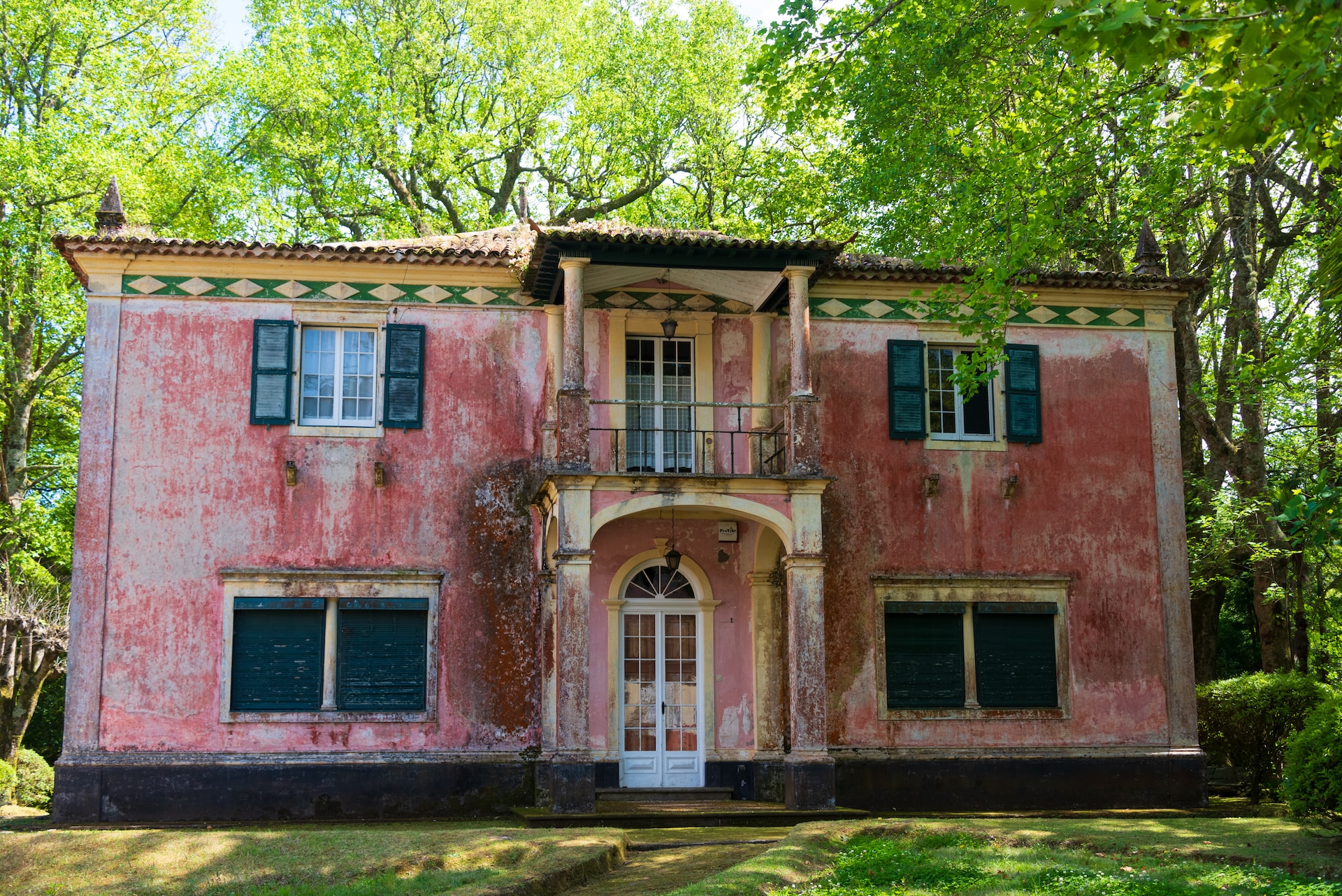
Drone specialists can document and assess the condition of historic buildings, including architectural landmarks, heritage homes, and iconic structures. High-resolution imagery and 3D modeling can help preservationists analyze structural integrity, identify areas of deterioration, and plan restoration efforts.
Archaeological Sites
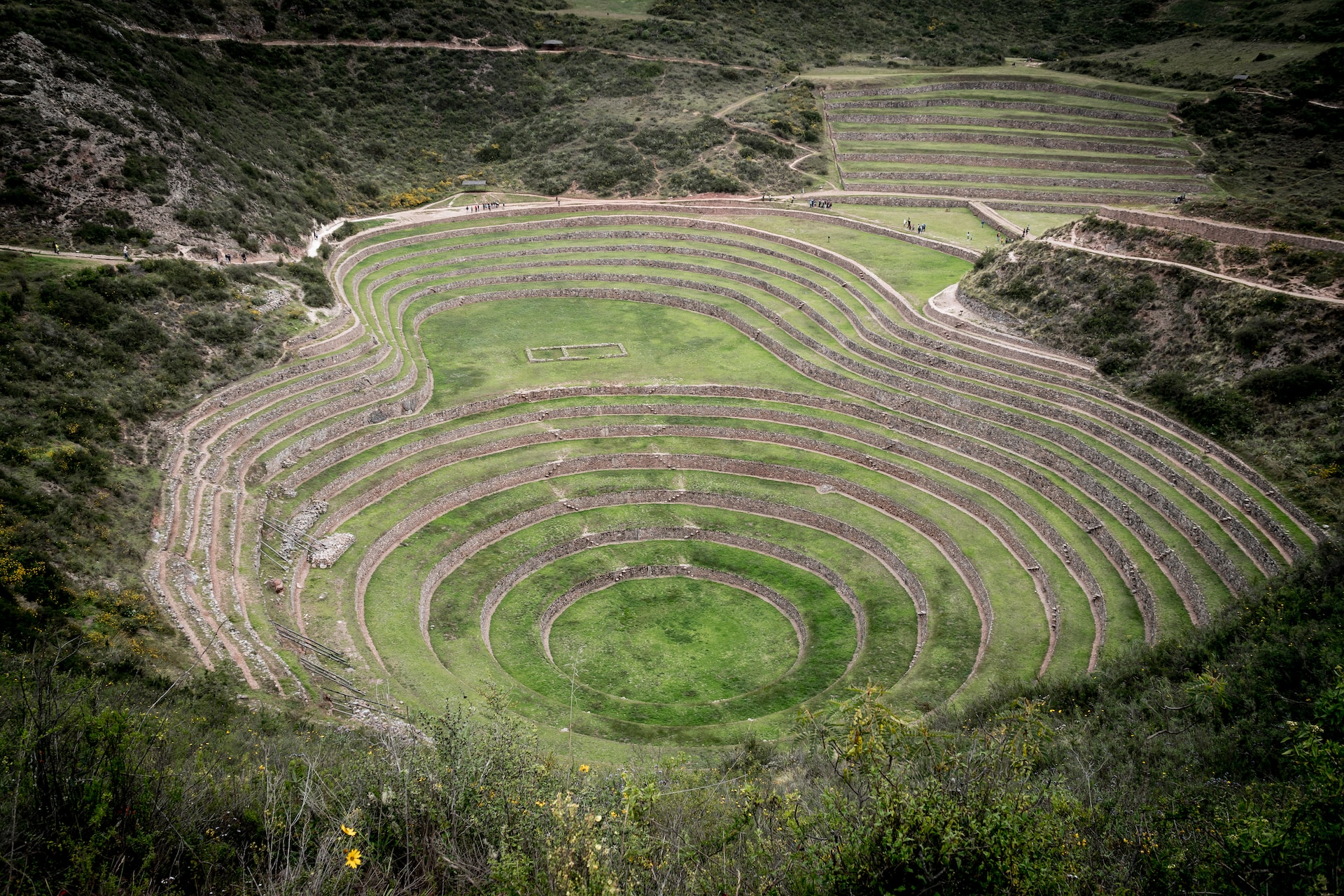
Drones are invaluable for surveying and documenting archaeological sites, such as ancient ruins, burial grounds, and historical dig sites. Aerial imagery and mapping assist archaeologists in uncovering historical artifacts and understanding the layout of past civilizations.
Historical Landscapes
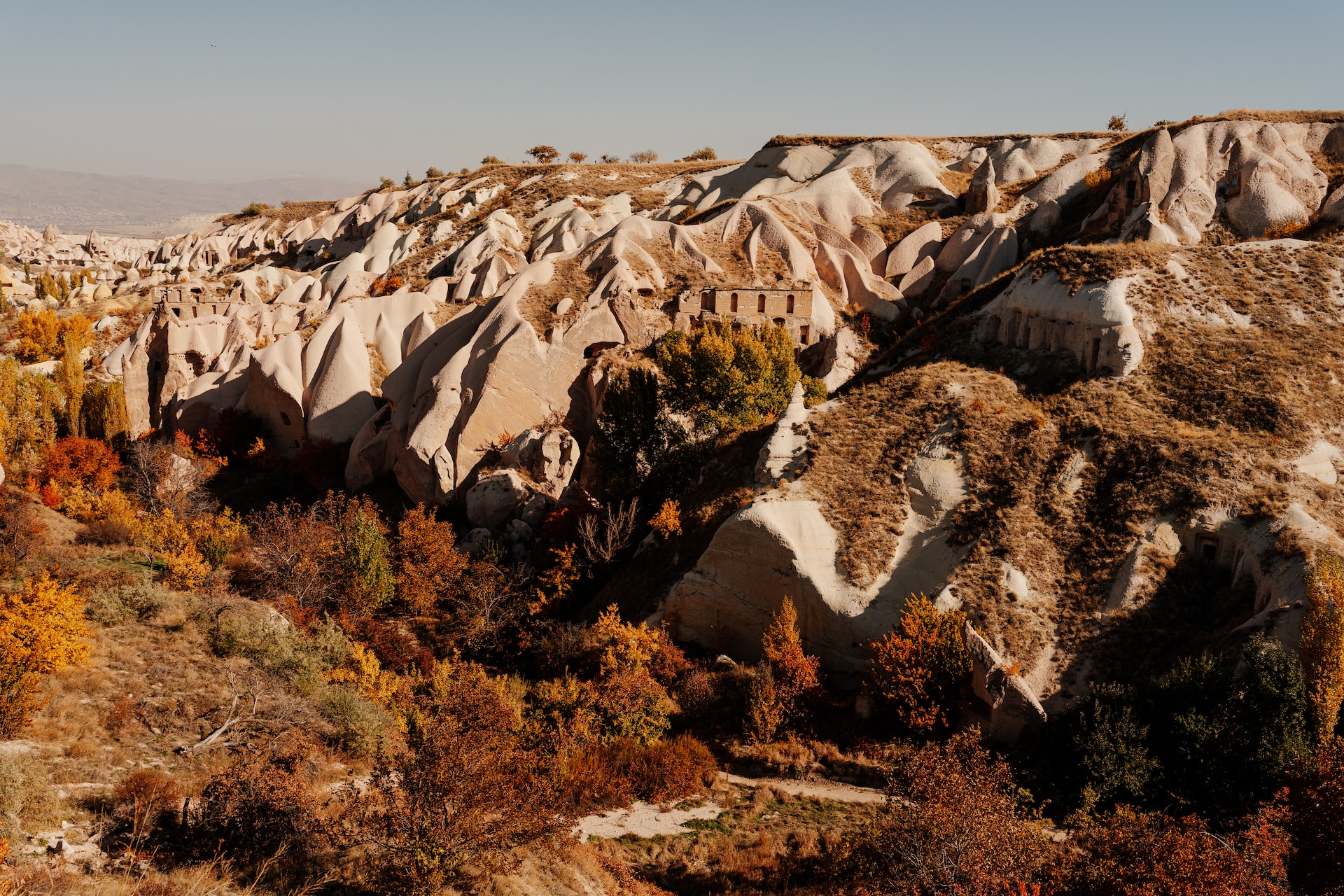
Preserving historical landscapes, such as gardens, parks, and battlefields, is another application. Drones help capture the evolution of these spaces, enabling conservationists to manage vegetation, monitor erosion, and recreate historical planting designs.
Real Life Examples
CyArk's Digital Preservation of Cultural Heritage
CyArk, a nonprofit organization, has used drones to digitally preserve cultural heritage sites worldwide. They collaborated with the Zamani Project to document the Al Azem Palace in Damascus, Syria, and the Bagan Archaeological Area in Myanmar. These digital archives provide critical data for restoration and research while safeguarding the heritage from potential destruction.
Scottish Ten Project
The Scottish Ten Project, conducted by Historic Environment Scotland and the Glasgow School of Art, employed laser scanning drones to document and preserve historical sites. They digitally captured sites such as Mount Rushmore in the United States and St. Kilda in Scotland, creating detailed 3D models for conservation and study.
Angkor Wat Conservation
In Cambodia, the Angkor Research Program used drones to survey and document the Angkor Wat temple complex. The data collected through drone technology helps with restoration efforts, understanding the site’s history, and monitoring its structural stability.
Lidar Scanning of Maya Sites
The PACUNAM Lidar Initiative in Guatemala, funded by the PACUNAM Foundation, employed Lidar-equipped drones to survey and map the dense Guatemalan jungle. This revealed the presence of thousands of ancient Maya structures and provided invaluable insights into their civilization.
Steps to Becoming a Historical Preservation Drone Specialist:
Step 1: Educational Foundation
- Obtain a high school diploma or equivalent.
- Pursue a bachelor’s degree in fields like History, Architecture, Archaeology, or Geographic Information Systems (GIS). This educational background will provide a solid foundation for understanding historical context and the significance of structures.
Step 2: Drone Pilot Training
- Acquire a Remote Pilot Certificate (Part 107) from the FAA, which is required to operate drones for commercial purposes. This certification ensures you understand aviation regulations and safety.
- Consider enrolling in drone pilot training programs to gain practical skills in operating drones, understanding flight dynamics, and conducting aerial surveys.
Step 3: Specialized Training
- Participate in courses or training programs specifically focused on historical preservation and documentation through drones. These programs teach you the unique aspects of preserving historical sites and structures.
Step 4: Gain Practical Experience
- Collaborate with historical preservation organizations, archaeologists, and architectural firms to gain practical experience in the field. This experience will help you understand the specific requirements and challenges of historical preservation.
Step 5: Invest in Equipment
- Invest in high-quality drones equipped with advanced cameras and imaging technology capable of capturing detailed, high-resolution images. Also, consider software for 3D modeling and GIS.
Step 6: Build a Portfolio
- Begin documenting historical sites and landmarks, showcasing your skills and abilities through a professional portfolio. Highlight your work in preserving and documenting historical structures.
Step 7: Network and Connect
- Attend conferences, workshops, and seminars related to historical preservation and drone technology. Networking with professionals in these fields can lead to valuable collaborations and opportunities.
Step 8: Seek Employment or Freelancing Opportunities
- Look for job opportunities with historical preservation organizations, government agencies, architectural firms, or archaeological research teams.
- Consider freelancing or starting your own historical preservation drone specialist business, offering your services to a broader client base.
Step 9: Uphold Ethical and Legal Standards
- Ensure that your work adheres to ethical standards in historical preservation. Respect the historical and cultural significance of the sites you document.
- Stay compliant with all regulations and legal requirements when operating drones, including privacy and airspace laws.