Getting Started
Paragraph Title
Subtext
Lorem Ipsum
NOTAMS
(Notices to Air Missions)
Informs pilots about potential hazards
Radio Comms
NOTAM stands for Noticed to Air Missions.
The purpose of NOTAMs is to provide critical information that keeps pilots aware of any temporary restrictions, hazards, or updates affecting flight safety.
Examples of hazards or changes could include:
- runway closures
- weather alerts
- restricted airspace due to events like airshows.
Since NOTAMs are issued in real time, they help pilots adjust their flight plans or operations accordingly to avoid unsafe situations.
Examples of NOTAMS
Radio Comms

Flights of Public Figures & Important People
Flights for VIPs, heads of state, with details on travel routes, times, and airspace restrictions to ensure their safety and privacy.
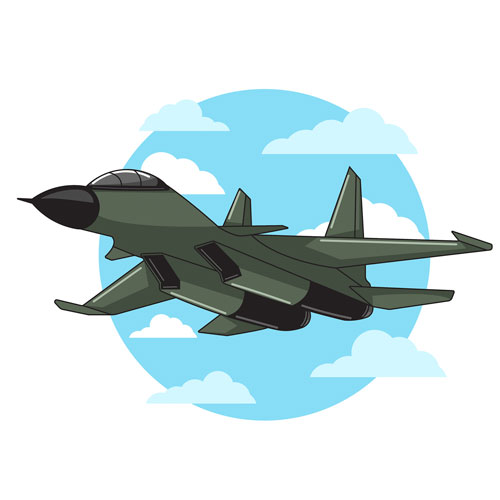
Military Exercises
Military training exercises, including details about designated military airspace, times, and altitudes to inform civilian pilots and ensure safety during periods of increased military activity.

Obstacles Near Airfield
Newly identified or temporary obstacles near an airfield, such as cranes, towers, or construction equipment, to alert pilots to potential hazards during takeoff and landing procedures.
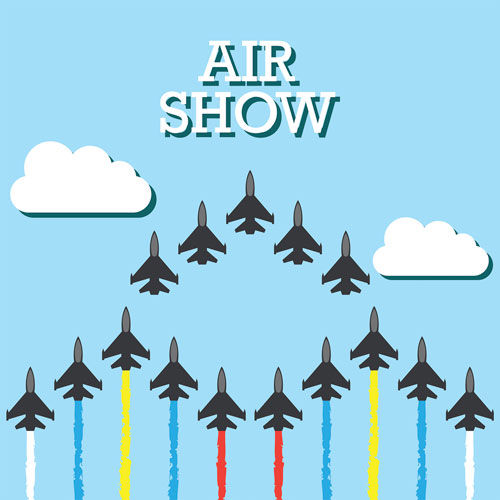
Airshows
Airshows with dates, times, and location details to alert pilots to increased air traffic and possible restrictions nearby.

Parachute & Glider Jumps
Parachute jumping activities, indicating the altitude and location of jumps to help pilots avoid potential conflicts.

Runway Closure
Temporary closure of a runway at an airport for maintenance or construction work.
Compliance and Timing:
Required to be Aware
Compliance:
- Pilots are required to be aware of any NOTAMs affecting their route of flight, whether for hazards, airspace restrictions, or other operational changes. However, pilots are not prohibited from flying in areas affected by NOTAMs unless specifically restricted.
Timing of NOTAMs:
- NOTAMs can be classified based on how long they remain valid. This can help pilots understand whether a NOTAM is a temporary issue or a more long-term operational change.
Short-term NOTAMs:
- These are issued for temporary hazards or changes that will only impact the airspace or flight path for a short period. For example, a runway closure for a few hours or a temporary weather warning.
Long-term NOTAMs:
- These are issued for ongoing conditions that may affect flight operations over an extended period. Examples include construction projects near airports or long-term airspace restrictions.
TFR
(Temporary Flight Restriction)
What is a TFR?
Radio Comms
A Temporary Flight Restriction (TFR) is a restriction on airspace that prohibits certain types of flights from operating within a specified area for a limited period of time.
TFRs are often issued due to hazardous conditions, major special events, or other situations that could pose a risk to flight safety.
The primary goal of a TFR is to protect people on the ground, as well as pilots and other aircraft, by controlling flight operations in specific areas.
Examples of TFRs
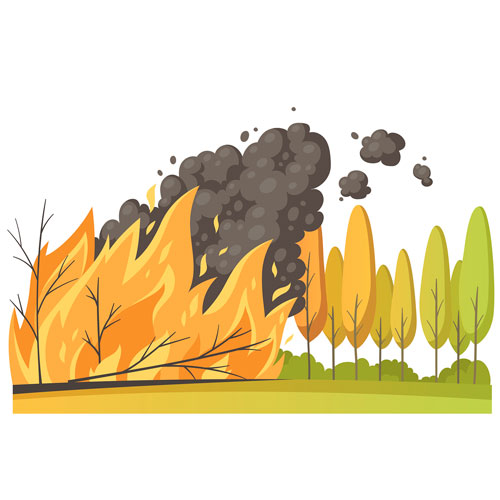
Wildfire / Disaster Relief TFRs
Wildfires: Issued over areas with active wildfires to protect firefighting aircraft and personnel, often prohibiting sUAS flights near the fire zone.

Stadium & Special Event TFR
Established around stadiums during major sporting events, limiting sUAS flights to protect the safety and security of the event.

Presidential TFRs
Presidential TFRs are established to secure the airspace around the President of the United States during their movements and visits around the nation.
Compliance and Timing:
Prohibited
Compliance:
- Compliance with TFRs is mandatory for all pilots, including drone operators. Violating a TFR can result in severe penalties, including hefty fines, the suspension of your pilot’s license, or even more serious legal consequences.
- It’s important to never disregard TFRs. If you are found flying in an area under a TFR, you could face:
- Fines for unlawful airspace use.
- License suspension or revocation for serious violations.
- Legal action if your flight interferes with emergency operations or creates safety hazards.
Timing of NOTAMs:
- TFRs are not permanent restrictions—they are temporary and are issued for a specific period of time. The duration of a TFR can vary depending on the situation, but it typically lasts anywhere from a few hours to several days.
-
Short-term TFRs: These may be issued for emergencies, such as natural disasters or accidents, and typically last a few hours to a day.
-
Long-term TFRs: These may be issued for scheduled events, such as major sporting events or VIP movements, and can last for several days.