Why it Matters for Flying
Drone Flight in the Real World
Field Scenario: When the Front Moves In
You’re back out in the field on a routine ecology flight. The mission: capture drone imagery of stream flow for the research log. Morning air is cool, visibility’s clear, and the sky looks manageable — for now.
But as you’re setting up, you start catching the early signs:
The wind shifts direction and sharpens, carrying a sudden chill that wasn’t there ten minutes ago.
Ahead of you, clouds begin stacking into a dark, advancing line. They’re lower, rough-edged, and moving fast.
The sky behind them lightens briefly, like the atmosphere is being split in two.
What you’re feeling is a front approaching — specifically a cold front. The warmer air in the area is being shoved upward by a wall of colder, denser air sliding in underneath. That clash of air masses forms a frontal zone — a boundary that often brings turbulence, sudden weather shifts, and storms.
As a pilot, this is a critical recognition skill. If you miss the signs, you might launch into seemingly fine conditions only to have wind gusts, rain, or lightning develop right over your flight zone minutes later.
Lesson Focus
Understanding Air Mass Behavior
In this lesson, we’ll break down:
- How air masses form and what defines their character (warm, cold, dry, moist).
- How they’re classified so you can read weather maps and forecasts with confidence.
- What happens when they collide, creating cold fronts, warm fronts, and other boundary zones.
By the end, you’ll understand how to anticipate rapid changes in weather based on these interactions, giving you the ability to plan ahead and avoid launching into rough or dangerous conditions.
What Is an Air Mass?
Big Regions, Big Personality
Definition: Air Mass
An air mass is a large body of air—sometimes hundreds of miles wide—that takes on the temperature and moisture of the area it forms over. These areas are called source regions, and they shape the air’s behavior.
When an air mass stays put over oceans, deserts, frozen plains, or tropical forests, it starts to match that surface. Warm or cold, humid or dry—it locks in those traits and brings them along when it moves.
Because of this, we see air masses forming over places like the Gulf of Mexico, northern Canada, the Sahara Desert, or the Arctic Ocean.
Where Air Masses Form
Source Regions
Source regions are usually:
- Flat
- Widespread
- Made of mostly one surface type (like ice, water, or sand)
This consistency allows the air above to become uniform—hot or cold, moist or dry—and hold that weather pattern as it moves.
Types of Air Masses
Named for What They Carry
Air masses are named based on two things:
- Where they form (land or sea)
- What climate zone they come from (tropical, polar, etc.)
Air masses get their names from their temperature and moisture:
- Continental (c): Forms over land → dry
- Maritime (m): Forms over water → humid
- Tropical (T): Forms near the equator → warm
- Polar (P): Forms near the poles → cold
- Arctic (A) / Antarctic (AA): Forms over ice caps → very cold
When combined, these labels tell you what kind of air you’re dealing with:
- mT (Maritime Tropical): Warm and humid (like air off the Gulf of Mexico)
- cP (Continental Polar): Cold and dry (like air from central Canada)
- mP (Maritime Polar): Cool and damp (from the North Pacific or Atlantic)
Airmass Example: The Polar Vortex Over North America
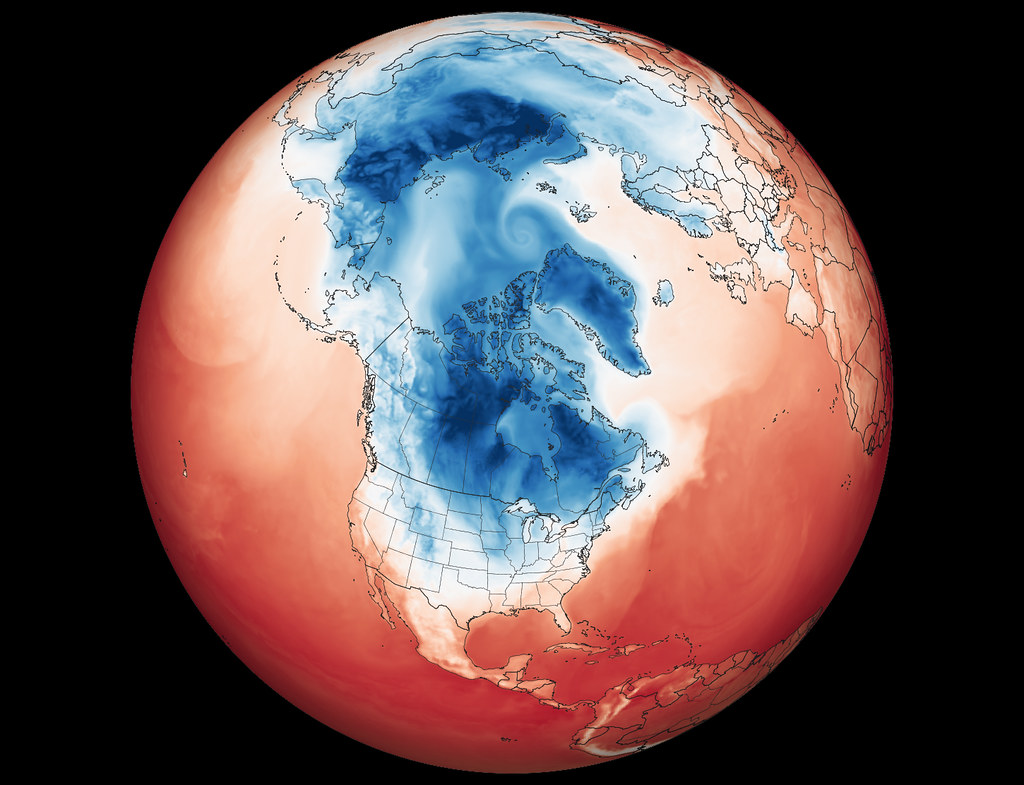
When the polar vortex dips south over North America, it drags a continental polar (cP) or even arctic (cA) air mass with it—bringing extreme cold, strong winds, and rapid weather shifts across the U.S. It’s a powerful reminder of how high-altitude air mass movement can drive major ground-level weather changes.
Why This Matters Mid-Flight
Air Mass Behavior = Flight Behavior
Each air mass doesn’t just bring temperature and moisture—it brings flight impact.
Some air masses are calm and steady. Others are more energetic, with lots of vertical motion in the atmosphere. This difference is what we call air stability.
- If the air mass is stable, you’re more likely to have smooth flights, layered clouds, steady conditions, and less turbulence.
- If it’s unstable, you could face shifting winds, updrafts, building clouds, and rapid weather changes—all of which matter when you’re flying a drone.
Knowing what kind of air mass you’re operating in helps you anticipate how the air will behave.
Frontal Zones:
Where Air Masses Collide
Shifting Boundaries, Shifting Weather
Weather Foundations
When two different air masses meet—one cold and dry, the other warm and moist—they don’t blend together right away.
Instead, they form a frontal zone, or front: a dynamic boundary where air masses clash.
The type of front depends on how those air masses move and interact, directly shaping local weather conditions.
The differences in temperature and moisture content between the two zones create instability in the atmosphere.
The bigger that difference, the more unstable things get—and that instability drives cloud formation, precipitation, turbulence, and sudden shifts in wind or temperature.
Cold Fronts
Fast, Forceful, Lifting
A cold front forms when a cold air mass advances and pushes under a warmer air mass.
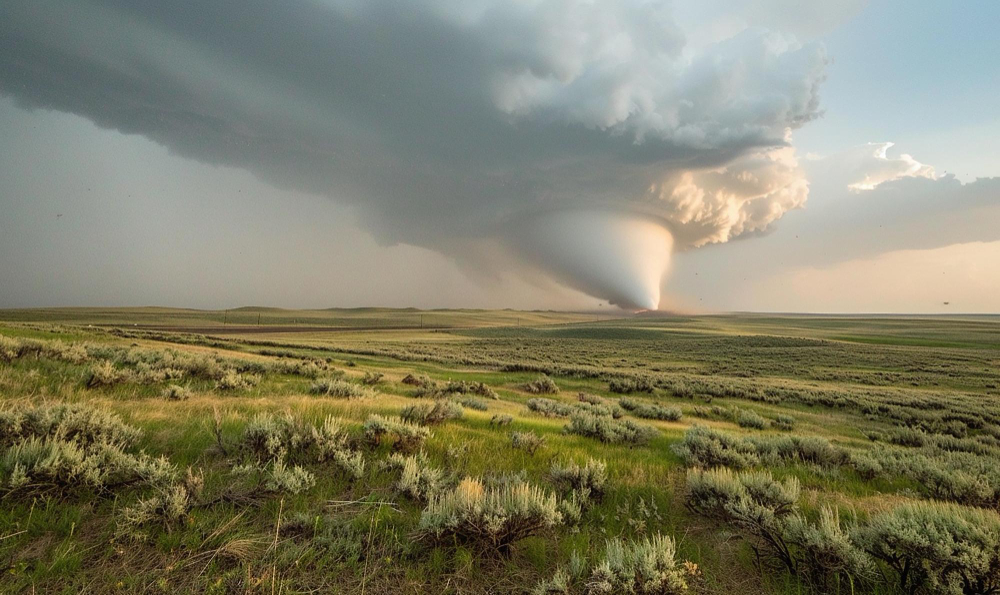
The warm air rises quickly, leading to abrupt weather shifts—like thunderstorms, gusty winds, heavy precipitation, and even torandoes along the front.
Example: Tornado Alley
In Tornado Alley (Texas, Oklahoma, Kansas, and Nebraska), most tornadoes form when a cold, dry air mass from the north (usually from Canada) pushes into a warm, moist air mass from the Gulf of Mexico.
This clash creates a cold front, forcing the warm air to rise quickly—fueling powerful thunderstorms. Add strong wind shear, and you’ve got prime conditions for rotating supercells and tornado formation.
It’s this exact setup—cold front meets Gulf moisture—that makes the Great Plains one of the most tornado-prone regions on Earth.
Warm Fronts
Gradual, Cloudy, Damp
A warm front occurs when warm air slowly overtakes cooler air, sliding gently up and over it. This creates a more gradual change in weather, with widespread cloud cover and steady, light precipitation.
Example: Gulf Coast Warm Fronts
In the Gulf Coast region, warm, moist air from the ocean often drifts northward and slides over cooler land air — ideal conditions for a warm front setup.
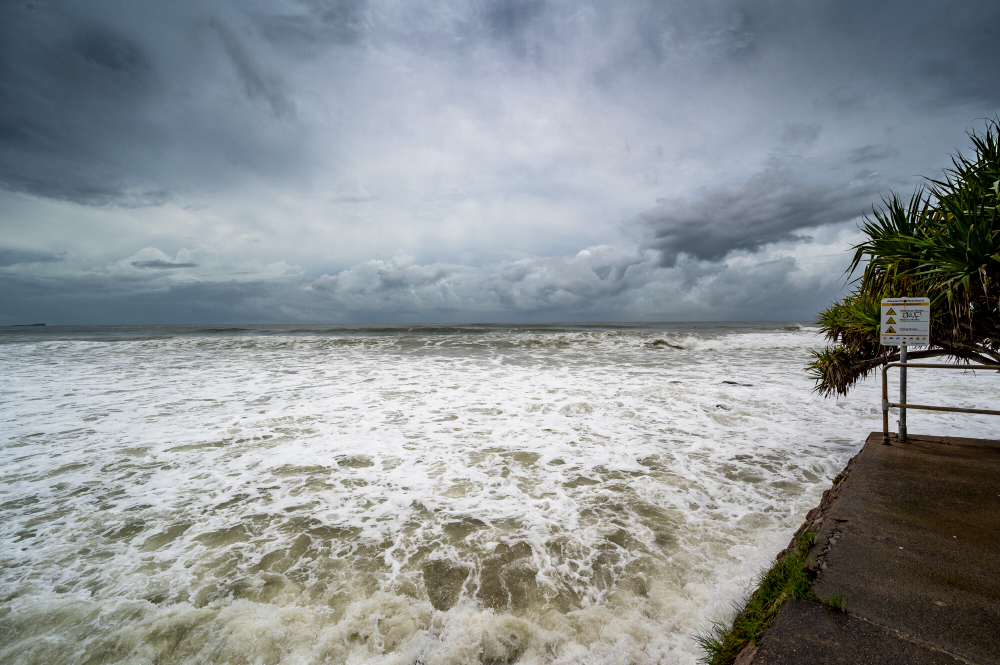
This kind of front doesn’t strike fast; instead, it creeps in slowly, spreading low, thick cloud layers across the sky and delivering prolonged drizzle or mist. The air can feel heavy and damp, visibility drops, and everything — from the ground to your drone’s lens — takes on a bit of haze.
This is common in the spring and early summer, when warm Gulf air meets lingering cool air inland, creating a slow-moving weather system that can last all day.
How to Predict Fronts
Watch for Sudden Shifts in Weather
Fieldwork Awareness
If a front is approaching, you’ll usually feel it. Temperature drops, wind shifts, sudden humidity—these are the signs.
When cold and warm air masses meet, conditions can change fast. For drone pilots, that means increased risk: unstable air, turbulence, and weather you might not have expected.
That’s why it’s smart not to fly across cold or warm fronts. Instead, wait for things to settle. Cool and dry air tends to be more stable and is best for reliable flying conditions.
Look out for these 4 signs of an incoming front:
1. Rapid Temperature Changes
A sudden shift in temperature—either warmer or colder—is one of the clearest signs that a front is nearby.
- Note: Rapid temperature change is the most easily recognizable discontinuity of a front and signifies the frontal boundary.
2. Rapid Wind Direction or Speed Shifts
Crossing a front often means the wind will suddenly change direction or pick up speed.
3. Rapid Change in Humidity
You may feel the air get much more humid—or drier—within minutes. These rapid changes often indicate a front is moving through and can lead to new cloud formation or sudden rainfall.
4. Changes in Air Pressure
As a front approaches, air pressure tends to drop. Once it passes, pressure rises again. This air pressure swing is a classic pattern that meteorologists use to track frontal movement.
Example: Polar & Arctic Fronts
Field Shift: Sudden Whiteout
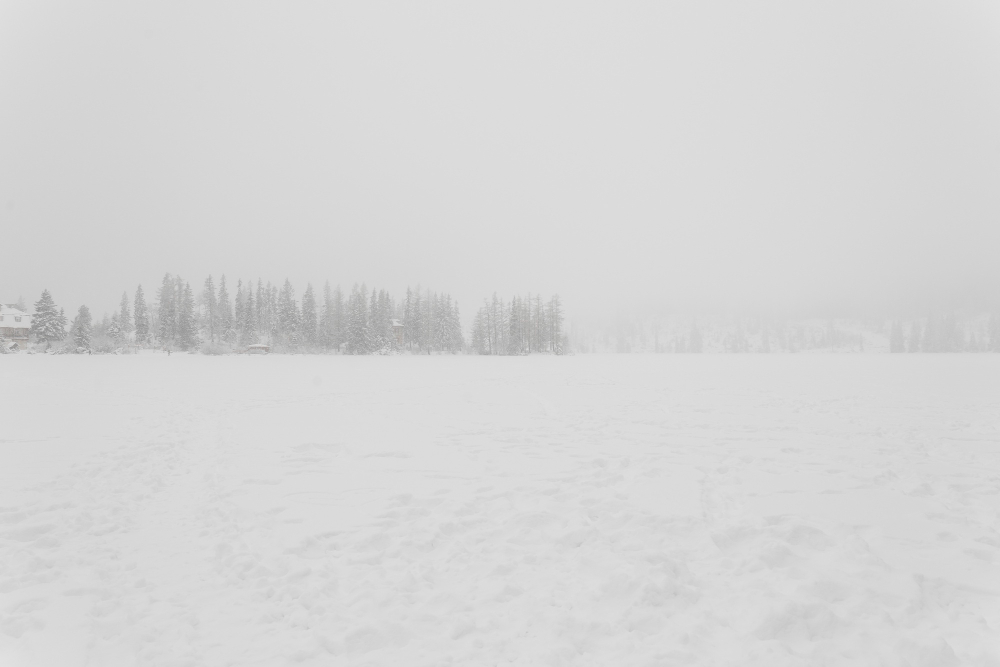
You’re stationed outside Fargo, North Dakota, prepping for a routine winter flight to document snow coverage across a frozen prairie. Conditions seem stable—just some haze and a light breeze. But 20 minutes into your flight, everything changes.
The wind shifts sharply out of the north. The temperature plunges. Within moments, heavy snow and blowing winds reduce visibility to almost nothing. You initiate return-to-home on your drone just in time.
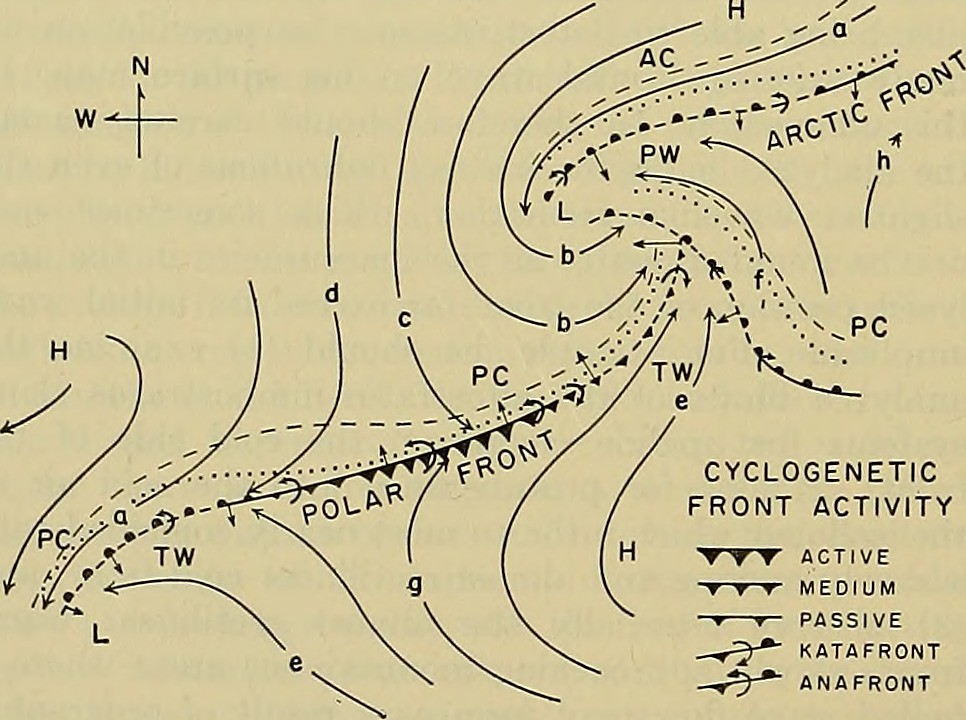
What you just experienced was a polar front—where cold, dense air from a continental polar (cP) air mass pushes against slightly warmer air to the south. But sometimes, especially in deep winter, it’s even colder air from an arctic air mass (cA) that spills south. That’s called an arctic front, and it’s even more intense—bringing frigid temperatures, sudden gusts, and rapid-onset whiteout conditions.
These northern frontal boundaries move fast and hit hard. For drone pilots, they’re one of the most dangerous sudden shifts in winter weather—often arriving with little warning unless you’re closely monitoring pressure and wind changes.