P.A.V.E.
Checklist for Assessing Flight Conditions Before Taking Off
P
Pilot-in-command:
- Make sure the pilot is current, competent, and fit to fly.
- Check that you have the proper certification under Part 107.
- Consider the pilot’s mental and physical condition (e.g., fatigue, stress, or any impairments).
A
Aircraft:
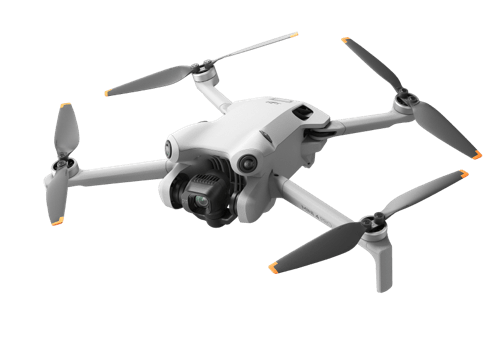
- Is the sUAS airworthy and properly maintained?
- Verify that it the sUAS has all necessary equipment (remote ID, flight logs, and good condition batteries).
- sUAS meets operational limits for the mission (weight, capabilities, etc.).
V
Vegetation and Environment:
- Check the weather (wind, visibility, and any hazards like storms).
- Review the airspace and make sure the flight is within the permitted area (check for restricted airspace or nearby airports).
- Assess other environmental factors, such as obstacles, wildlife, or people in the area.
E
External Pressures:
- Consider time constraints (e.g., deadlines or urgency) that might affect the decision to fly.
- Be aware of any external influences that might push you to take unnecessary risks (e.g., pressure from clients or crew).
- Ensure that these pressures do not compromise safety or legal compliance.
I.M.S.A.F.E.
Checklist for Assessing Drone Operator Health Before Taking Off
I
Illness
- Make sure the pilot is not suffering from any illness that could impair judgment or physical abilities.
- If you are feeling unwell (cold, flu, etc.), it’s best to postpone the flight to avoid safety risks.
M
Medication
- Be aware of any medications you’re taking that could impact your ability to operate the drone.
- Certain medications may cause drowsiness or hinder concentration, making it unsafe to fly.
S
Stress
- Check if you’re under stress, as it can impair decision-making and focus.
- If stress is high, consider delaying the flight or seeking assistance from another pilot.
A
Alcohol
- Don’t fly if you’ve consumed alcohol or any substances that might impair your abilities.
- Part 107 requires a blood alcohol content (BAC) of less than 0.04%, and flying within 8 hours of drinking is prohibited.
F
Fatigue
- Avoid flying if you’re feeling fatigued, as tiredness can reduce your alertness and reaction times.
- If you’ve been awake for an extended period, it’s better to postpone the flight until you are well-rested.
E
Emotion
- Evaluate if any emotional factors (e.g., personal issues, anxiety) might affect your ability to focus.
- Strong emotions can distract from safe operation, so address these before flying.
D.E.C.I.D.E.
Checklist for Decision-Making During Flight Operations
D
Detect
- Detect the situation and understand what’s happening around you.
- Look for any hazards, other aircraft, weather conditions, or changes in the environment that might affect the flight.
E
Estimate
- Estimate the risk associated with the situation.
- Determine the potential consequences of any risks, including obstacles, nearby people, or airspace limitations.
C
Choose
- Choose an appropriate course of action based on your estimates.
- Decide if you need to alter your flight plan, change altitude, or avoid certain areas to mitigate risk.
I
Identify
- Identify your resources and options to handle the situation.
- Determine if you have the tools or backup resources (e.g., another pilot, additional equipment) to deal with potential issues.
D
Do
- Do what you’ve decided based on the earlier steps.
- Act on your chosen course of action and take the necessary steps to continue the operation safely.
E
Evaluate
- Evaluate the outcome of your actions.
- After taking action, reassess the situation to ensure safety and that you are still within legal flight parameters under Part 107.