Why it Matters for Flying
Flight In the Real-World
Drone Pilots in the Field
You’re out at the preserve just after sunrise, running an ecology survey you get paid for once a season. The job is simple: capture drone footage of vegetation growth and water spread, then log the data.
At first, conditions look good. Low light, calm air, easy flight. But as you run pre-checks, you start noticing signs:
The breeze picks up in short bursts, not steady.
Your drone shifts slightly in your hand, like the air’s pulsing.
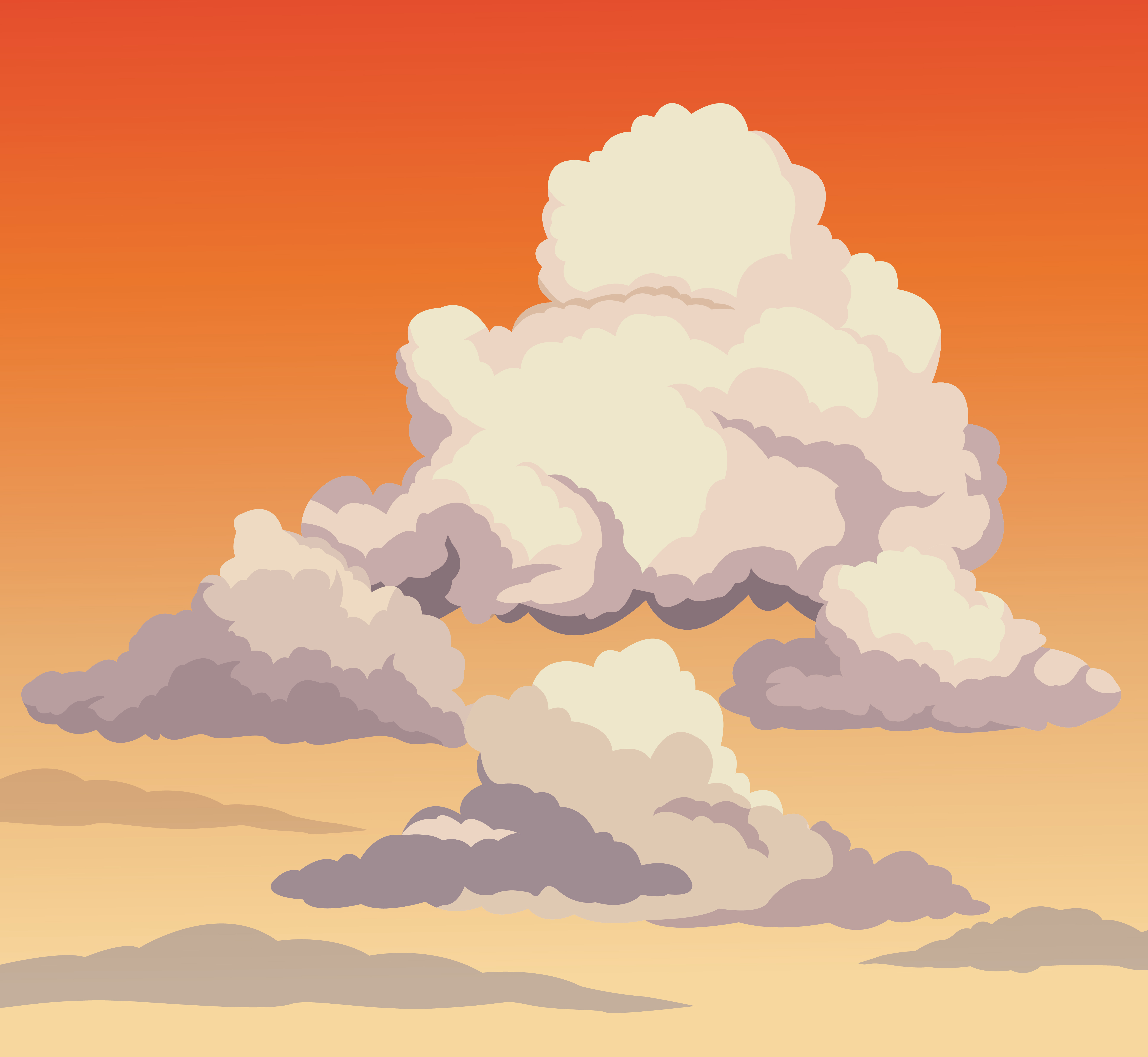
Over the horizon, clouds that looked harmless a few minutes ago are stretching taller, building upward instead of staying flat.
That’s when you realize: today’s air may not stay smooth. If you launch, you could be dealing with hidden bumps, turbulence, and weather that shifts faster than you expect.
As a pilot, this is the moment you need to recognize: the sky is changing. Whether you keep flying or shut it down depends on how well you can read the air.
Lesson Focus
Part 107 Weather
Out in the field, you just felt how quickly the air can shift — one moment steady, the next full of bumps and rising clouds. That change comes down to whether the atmosphere is stable or unstable.
In this lesson, we’ll learn how to recognize those conditions before they catch you by surprise. We’ll focus on four key observations:
- Cloud type — what the sky is building
- Precipitation style — steady drizzle vs sudden downpour
- Turbulence — smooth vs choppy air
- Visibility — clear horizons vs hazy, shifting skies
From there, we’ll connect the dots to show how these clues reveal the difference between stable and unstable air. Finally, we’ll walk through real-world examples from around the U.S. where each type of air is commonly found, so you know what to expect when you’re out flying.
The 4 Clues to Air Stability
What to Watch for Before You Fly
Weather Foundations
Before you launch, you can often feel what kind of air you’re in—calm and steady, or active and unpredictable. These four signs help you tell the difference:
1. Cloud Type
Clouds form in different ways depending on how air moves. Flat, wide clouds stretch across the sky when air rises slowly. Tall, puffy clouds stack high when the air moves quickly upward. The shape and size of clouds are clues about what’s happening in the atmosphere, as well as the type of cloud classification you’re interfacing with.
2. Precipitation Style
Rain and snow don’t always fall the same way. Sometimes it’s a light, steady mist that lasts all day. Other times, it’s a sudden downpour, heavy and fast. The way precipitation forms and falls depends on the force and movement in the air.
3. Turbulence
Air doesn’t always flow smoothly. Sometimes it moves up and down quickly, creating bumpy, shaky conditions. This vertical motion is called turbulence. When air rises and sinks fast, it can cause sudden shifts that affect flight stability.
4. Visibility
Visibility depends on how well the air can move and mix. If there’s little mixing, things like smoke, dust, or fog can stay near the ground, making it hard to see. When the air stirs more, those particles get carried away, and the view clears up.
Cloud Types: A Brief Study
Cloud Types You Should Know
Weather Foundations
Throughout your drone pilot career and pursuits you will find yourself confronted with many types of cloud and precipitation. Therefore, knowing how to label and name these clouds will help you a lot when out in the field. Especially when you’re facing some serious weather that might require you to pack your gear up ASAP and get to shelter. Seriously, it happens. (It’s not really a true adventure until something goes crazy with the weather.)
That said, let’s take a look at the most important cloud types for you to know for the Part 107 exam.
Cloud Names: A Quick Latin Lesson
Before you memorize cloud types, let’s unlock the language code behind them. Most cloud names come straight from Latin, the root of many scientific terms.
- Cumulus → “heap” or “pile”
- Stratus → “layer” or “spread out”
- Nimbus → “rain” or “storm cloud”
These roots are like Lego blocks. Scientists combine them to describe what a cloud looks like and what it does.
How the Cloud Names Work
Now that you know the roots, the cloud names stop being random:
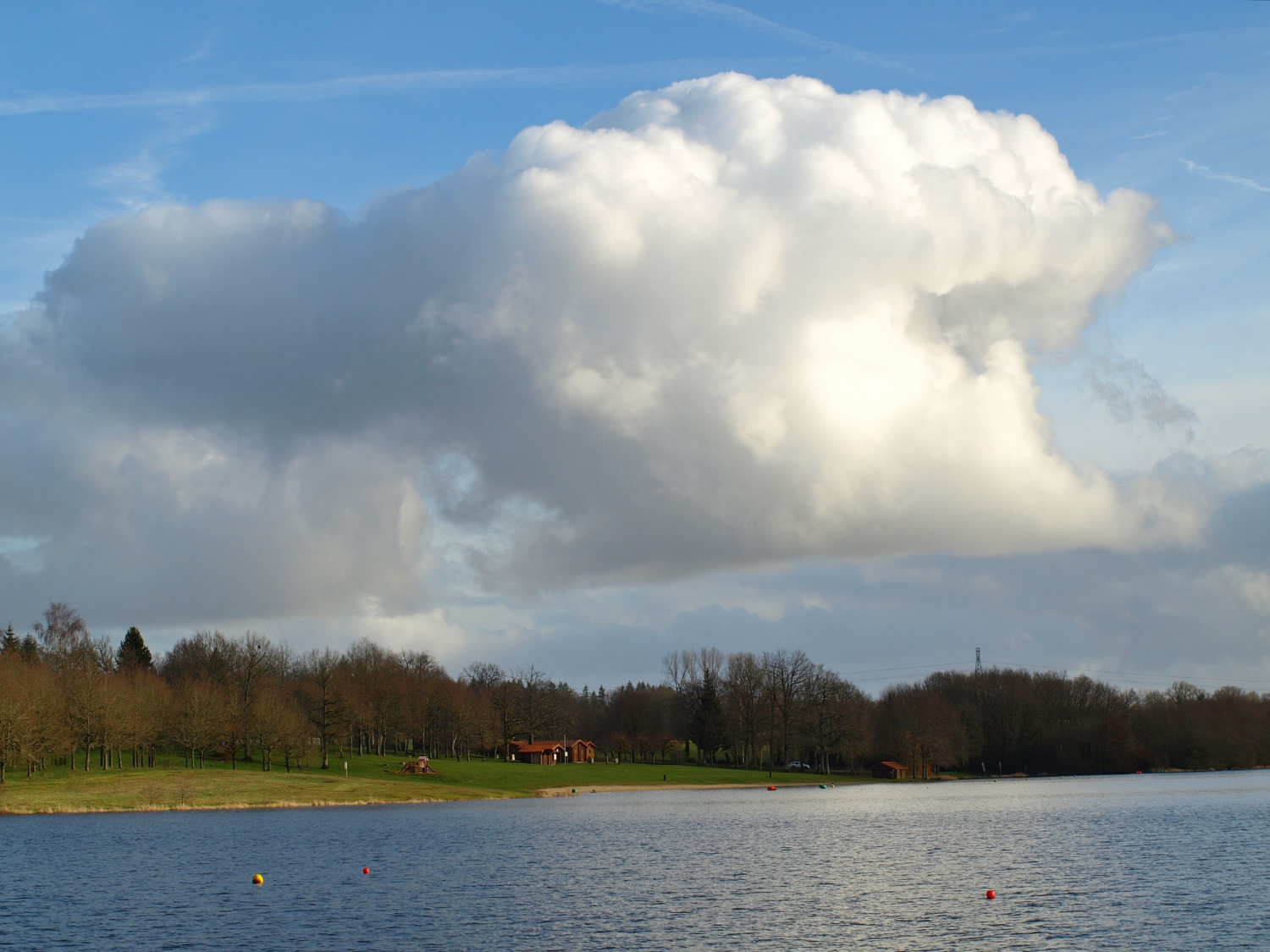
- Cumulus Cloud
- Cumulus = “heap”
- A heap-shaped cloud — puffy like cotton balls.
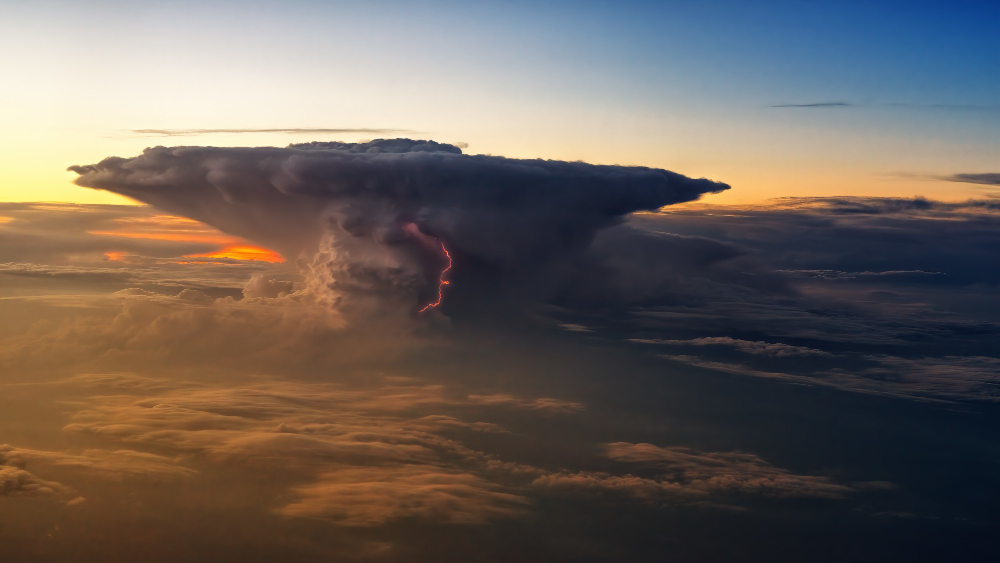
- Cumulonimbus Cloud
- Cumulo = heap
- Nimbus = rain
- Together: “heap + rain” → the towering thunderstorm cloud with lightning, hail, and sometimes tornadoes.
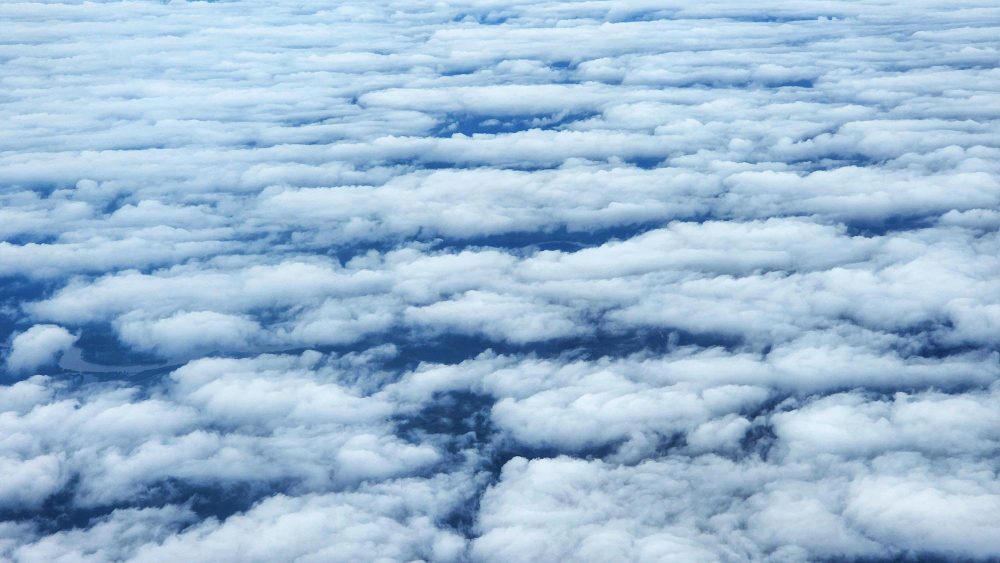
- Stratiform Cloud
- Stratus = layer
- form = shape
- Together: “layer-shaped” → wide, gray sheets that stretch across the sky.
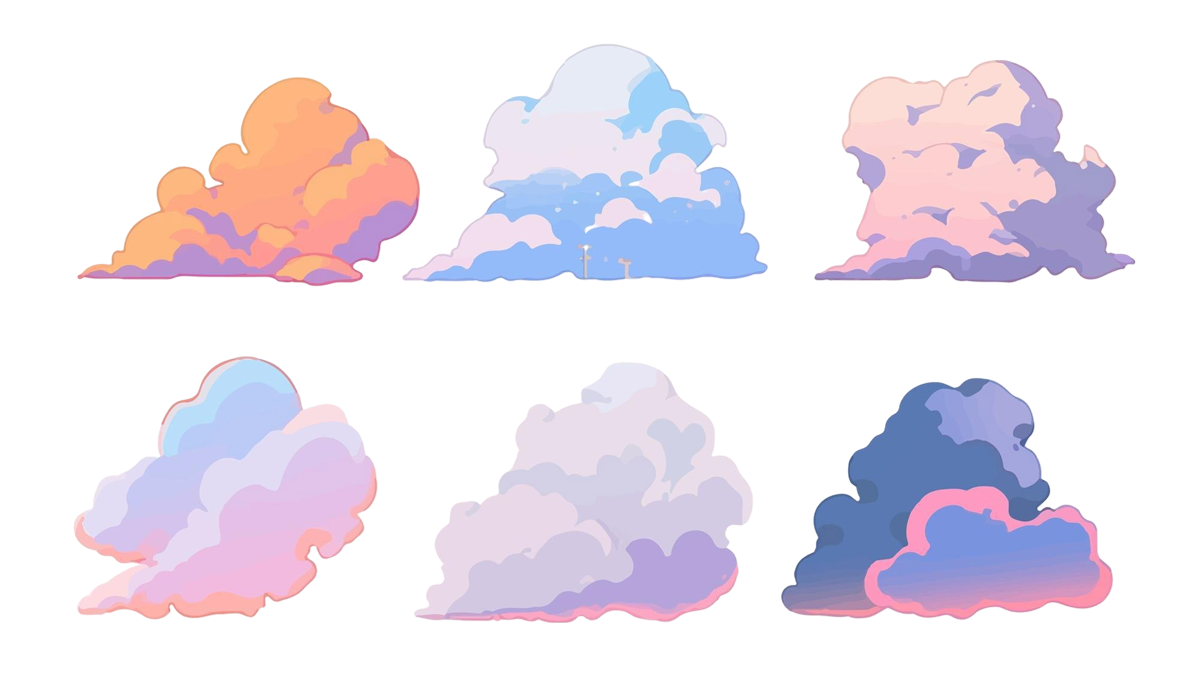
Check Out This Visual Aid
Seeing them side by side helps you connect the word roots to the actual shapes in the sky. Once you recognize the pattern, you’ll never look at clouds the same way again.
Now that you know the Latin roots, take a look at this chart:
1. Cumulous Cloud
Notice the puffy heap
2. Cumulonimbus Cloud
Notice the heap + the rain
3. Stratiform Clouds
Notice the layers of clouds
Unstable vs. Stable Air
Now for the heart of the lesson, where you’ll learn to distinguish between Unstable and Stable Air.
Introducing:
Unstable Air
4 Characteristics of Unstable Air
Weather Foundations
Unstable air means the atmosphere is actively moving. Warm air rises fast, air masses shift vertically, and cloud formations grow tall and dense. These conditions can catch drone pilots off guard, especially when weather changes mid-flight. Before launching in dynamic environments, it helps to recognize the signs.
Here’s what to look for:
Good Visibility
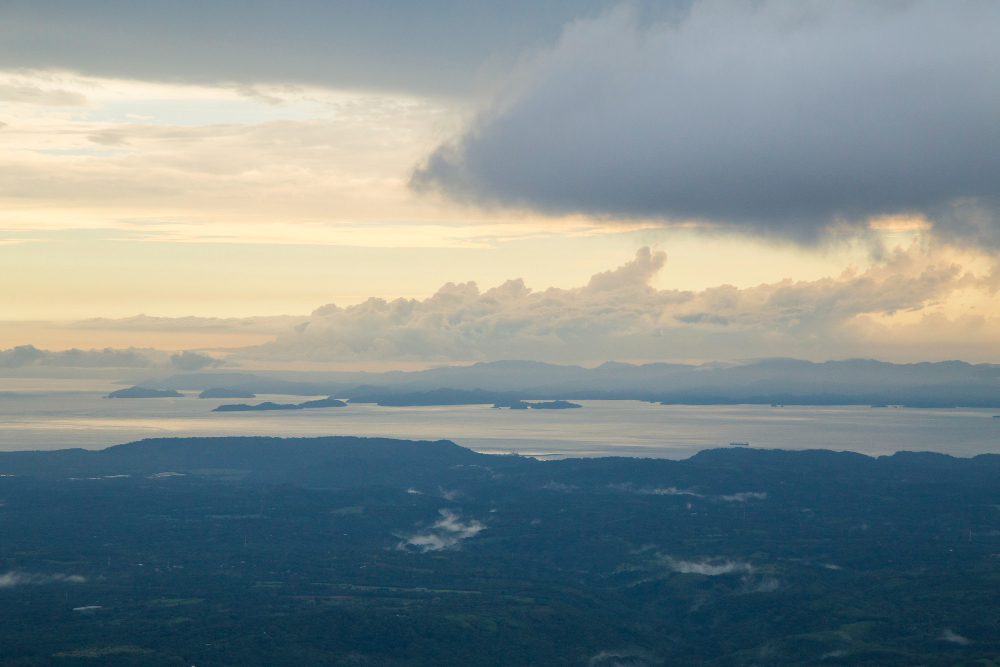
Unstable air provides better visibility.
Vertical mixing disperses pollutants like haze and smog, keeping the air clearer by carrying it away from the ground. This mixing helps prevent contaminants from accumulating near the surface, allowing for better air quality and visibility during flight operations.
Therefore, unstable air conditions often result in improved visibility due to the effective dispersion of airborne particles and pollutants.
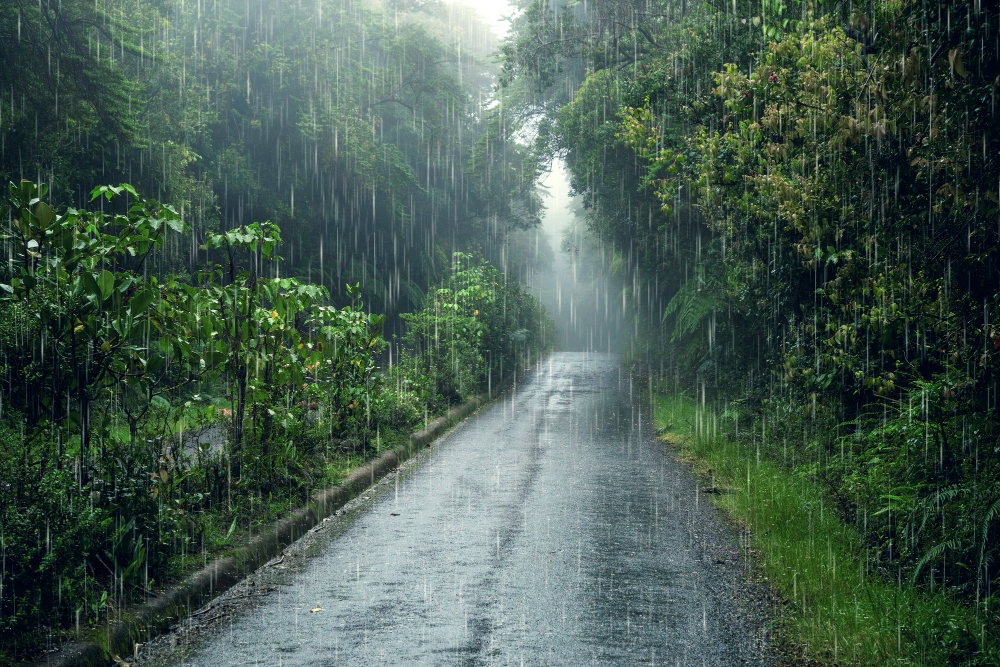
Showery, Intense Precipitation
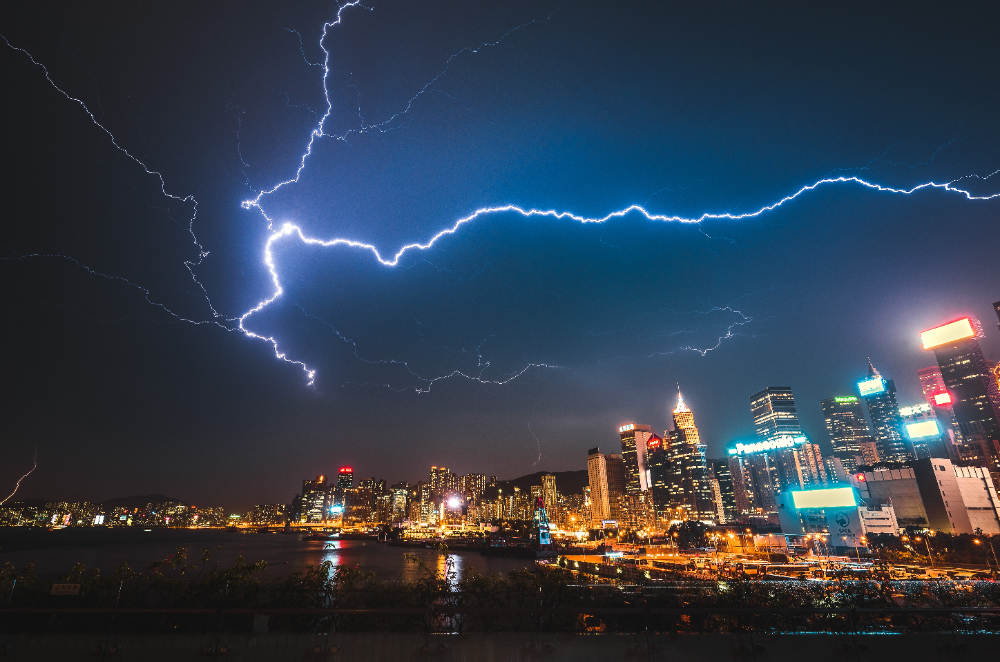
With unstable air, precipitation tends to come down hard and fast. Rising warm air creates cumuliform clouds, which can rapidly develop into thunderstorms. Expect short bursts of heavy rain, hail, or even lightning—conditions that can damage a drone.
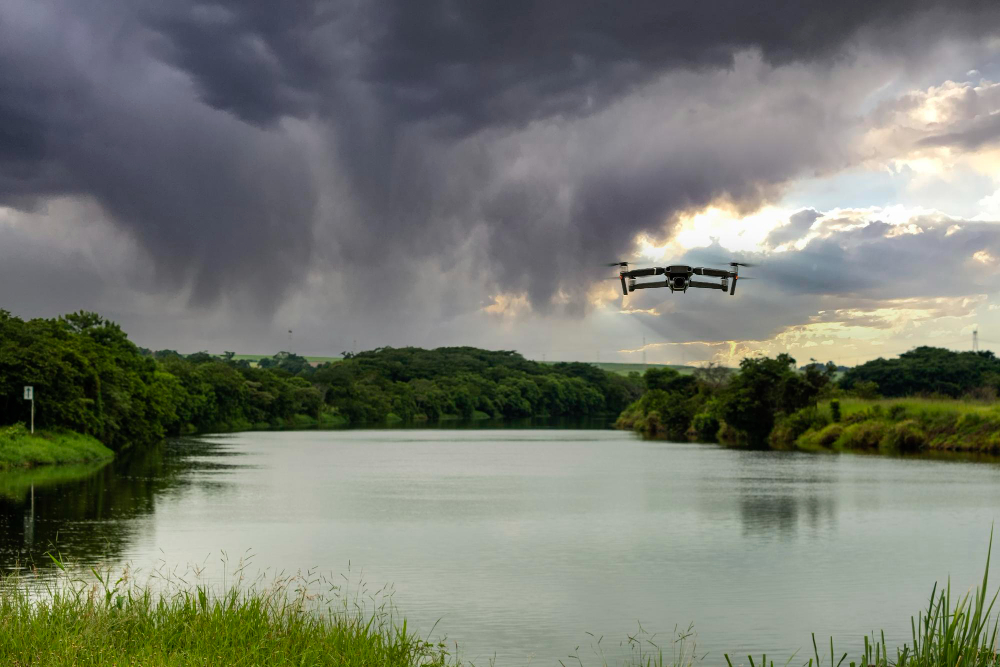
Turbulent, Vertical Moving Air
Unstable air is often turbulent. Strong updrafts and downdrafts make altitude harder to maintain and create sudden changes in flight path. These vertical currents can throw off your drone’s balance, increase motor workload, and reduce control responsiveness.
Cumulonimbus Clouds
Unstable air builds vertical clouds—tall, puffy, and growing quickly. These cumulus or cumulonimbus clouds are a red flag for drone pilots. They indicate strong upward movement and the potential for storm development, which could bring precipitation, gusty winds, and severe turbulence.
Introducing:
Stable Air
4 Characteristics of Stable Air
Weather Foundations
Stable air may seem ideal for flight: calm winds, smooth handling, and quiet skies. But stable doesn’t always mean safe. Visibility can drop, light precipitation can linger, and surface-level haze may go unnoticed until you’re already flying through it.
Here’s what to expect:
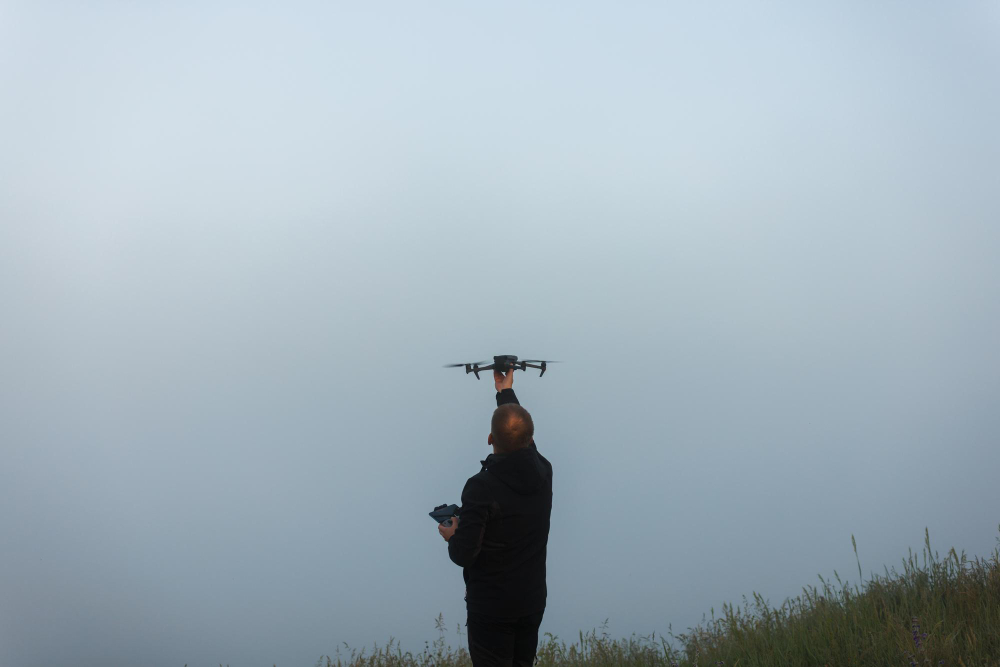
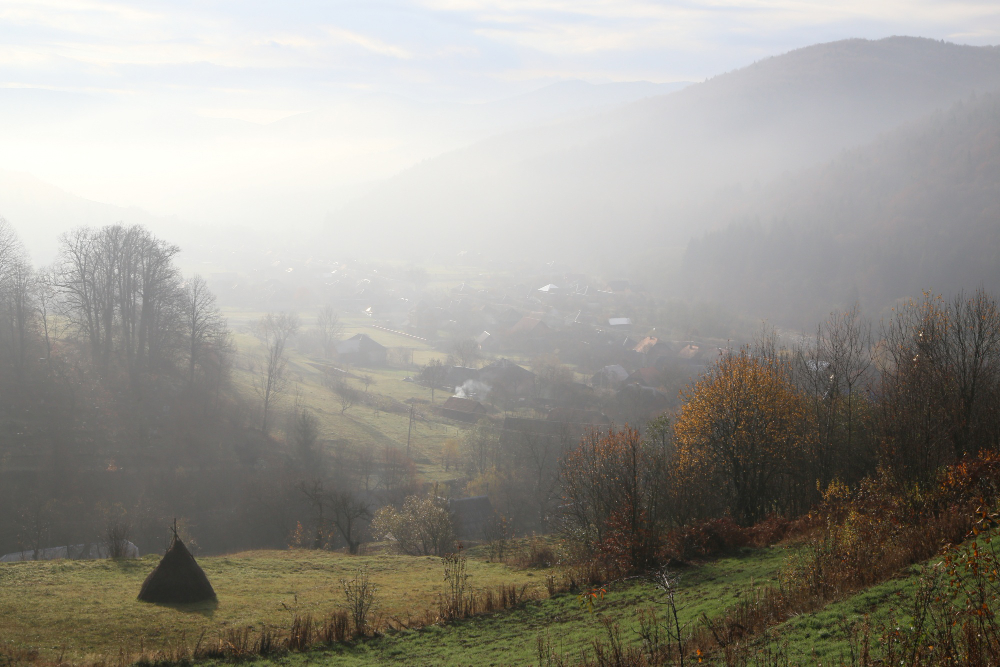
Poor Visibility
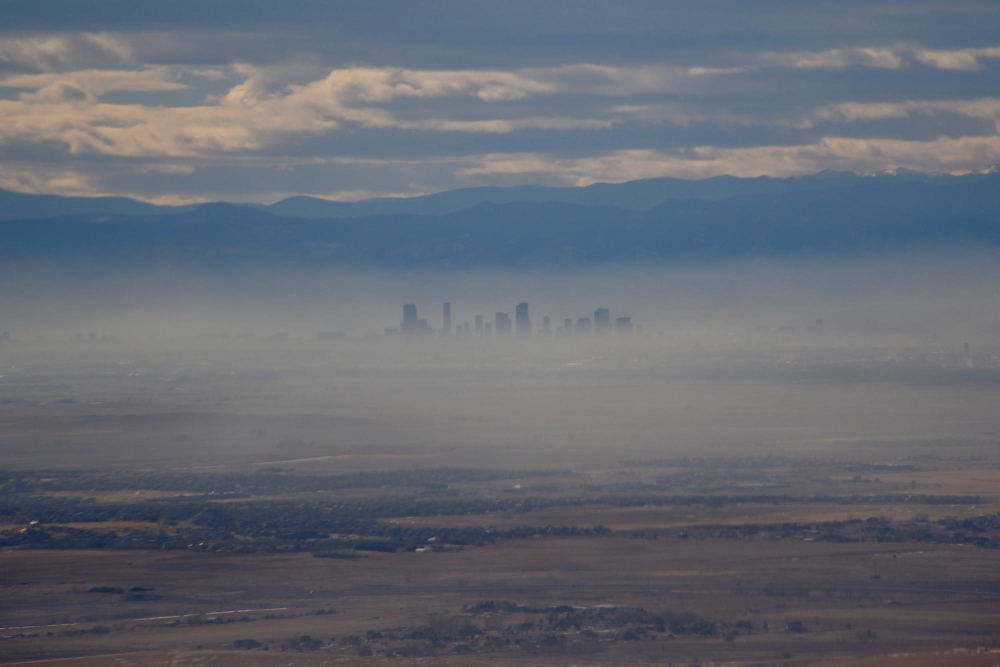
Stable air leads to poor visibility because there’s very little vertical air movement to disperse smoke, dust, or particles.
These contaminants stay near the surface, creating haze or fog, and making it harder to see clearly. With less vertical mixing, pollutants are trapped, significantly reducing visibility.
Drones may experience reduced visual line-of-sight, and obstacle avoidance sensors might not perform optimally.
Steady Precipitation
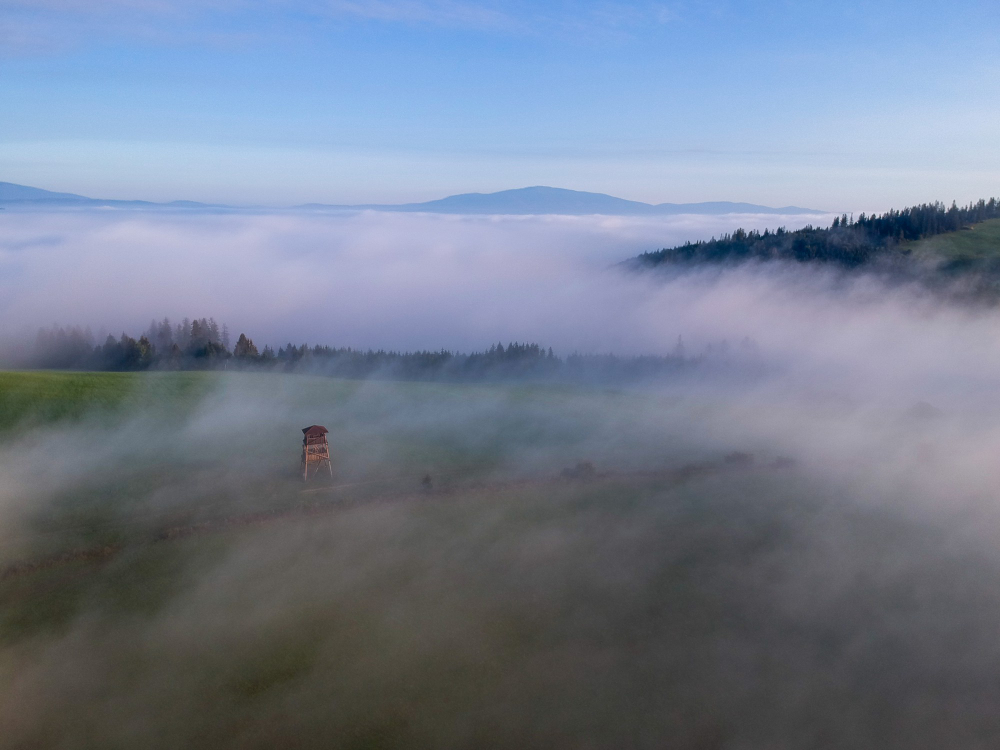
Precipitation in stable air is light but persistent.
Think mist, drizzle, or fog. These conditions form from slow, gentle uplift of moist air—not from storms, but from long-lasting moisture. Expect consistent precipitation, such as light rain or snow, often lasting over extended periods without sudden changes.
Smooth, Steady Air
Stable air is calm, with minimal turbulence.
Flight paths are predictable and steady. Your drone holds altitude with ease, and gimbal stabilization works efficiently.
Turbulence is minimal, and flights are smooth with fewer changes in altitude or direction, which makes stable air favorable for drone operations and aircraft flight.
Stratiform Clouds
Unstable air builds vertical clouds—tall, puffy, and growing quickly. These cumulus or cumulonimbus clouds are a red flag for drone pilots. They indicate strong upward movement and the potential for storm development, which could bring precipitation, gusty winds, and severe turbulence.
Study Resources
Comparison Chart
Stable vs. Unstable Air
| Aspect | Stable Air | Unstable Air |
|---|---|---|
| Clouds | Stratiform clouds (wide, horizontal). | Cumulonimbus clouds (towering, vertical). |
| Precipitation | Light, steady, continuous (rain or snow).. | Showery precipitation – Intense, short-lived showers, thunderstorms.. |
| Turbulence | Minimal turbulence – Minimal vertical movement of air. | High levels of turbulence and gusts – Strong vertical movement (updrafts and downdrafts). |
| Visibility |
Poor visibility due to trapped particles. |
Good visibility due to vertical mixing. |
Flash Cards
Stable vs. Unstable Air
Steady Precipitation?
Unstable or Stable?Stable Air
Steady, continuous precipitation occurs in stable air due to the steady, gentle ascent of air masses over a broad region and a lack of strong vertical currents.
Good Visibility?
Unstable or Stable?Unstable Air
In unstable air, strong convective currents continuously mix the air, preventing pollutants and haze from accumulating near the surface.
Showery Precipitation?
Unstable or Stable?Unstable Air
Unstable air typically results in showery precipitation, meaning intense and localized showers.
Cumuliform Clouds?
Unstable or Stable?Unstable Air
Unstable air is characterized by rapid upward movement of warm, moist air, leading to the formation of cumuliform clouds.Stratiform Clouds?
Unstable or Stable?Stable Air
Stable air features the steady, gentle ascent of air masses over a broad region, leading to the formation of stratiform clouds.Poor Visibility?
Unstable or Stable?Stable Air
Stable air results in poor visibility due to the absence of upward air movement, which lifts smoke, dust and particles away from the ground.