About Sparrow Archive
Aerial and Ground Viewpoints
Whether you’re capturing footage from the ground or from the skies with a drone, your contributions will help build a comprehensive dataset that will enhance our understanding of environmental shifts.
Help Protect Ecosystems: Ground and Aerial Footage Opportunities
Option 1
Boots on the Ground Documentation
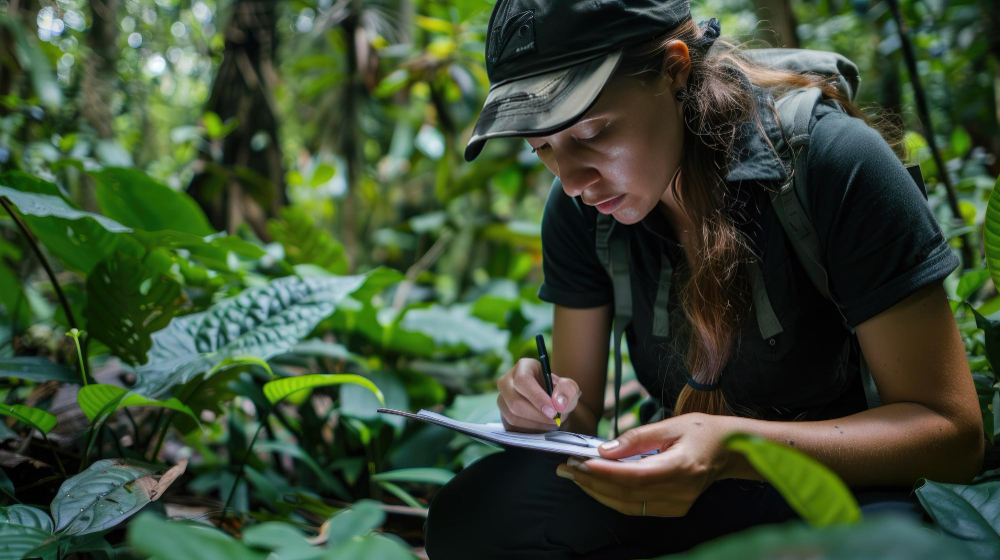
You don’t need any specialized equipment to participate—just your smartphone & your observations.
Whether you’re hiking in a local park or exploring a remote area, your close-up footage can provide critical details about vegetation, wildlife, and other environmental features.
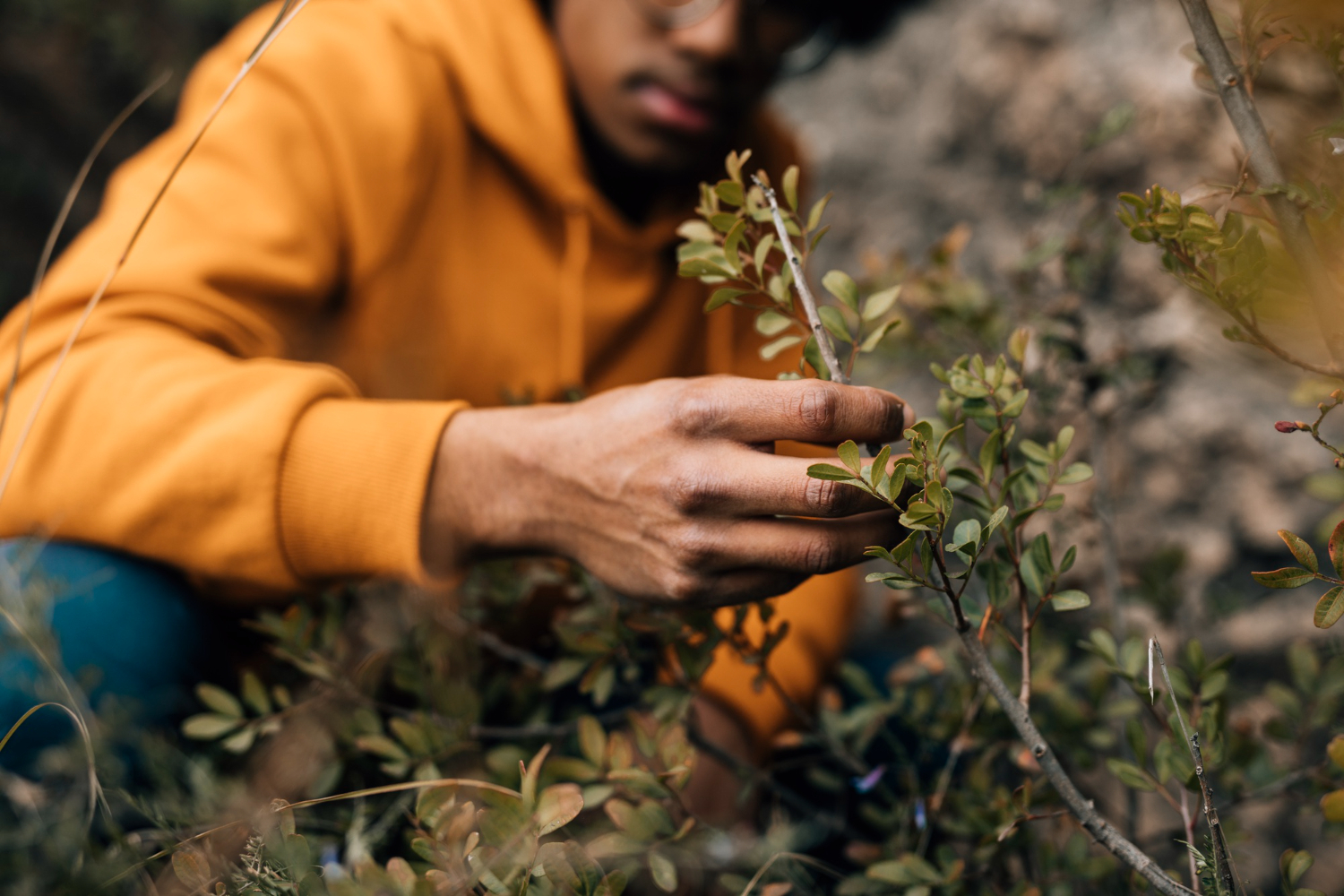
By using your device to record video or take photos, you can focus on key areas where changes may be happening:
- Vegetation Health: Look for signs of stress, disease, or unusual growth patterns.
- Wildlife Sightings: Document animal behavior, migration patterns, or presence/absence of species.
- Environmental Changes: Capture shifts in the landscape, such as erosion, flooding, or human impact.
Simply record footage as you go, and upload it to the Sparrow Archive.
Option 2
Drone Operators: Aerial Documentation
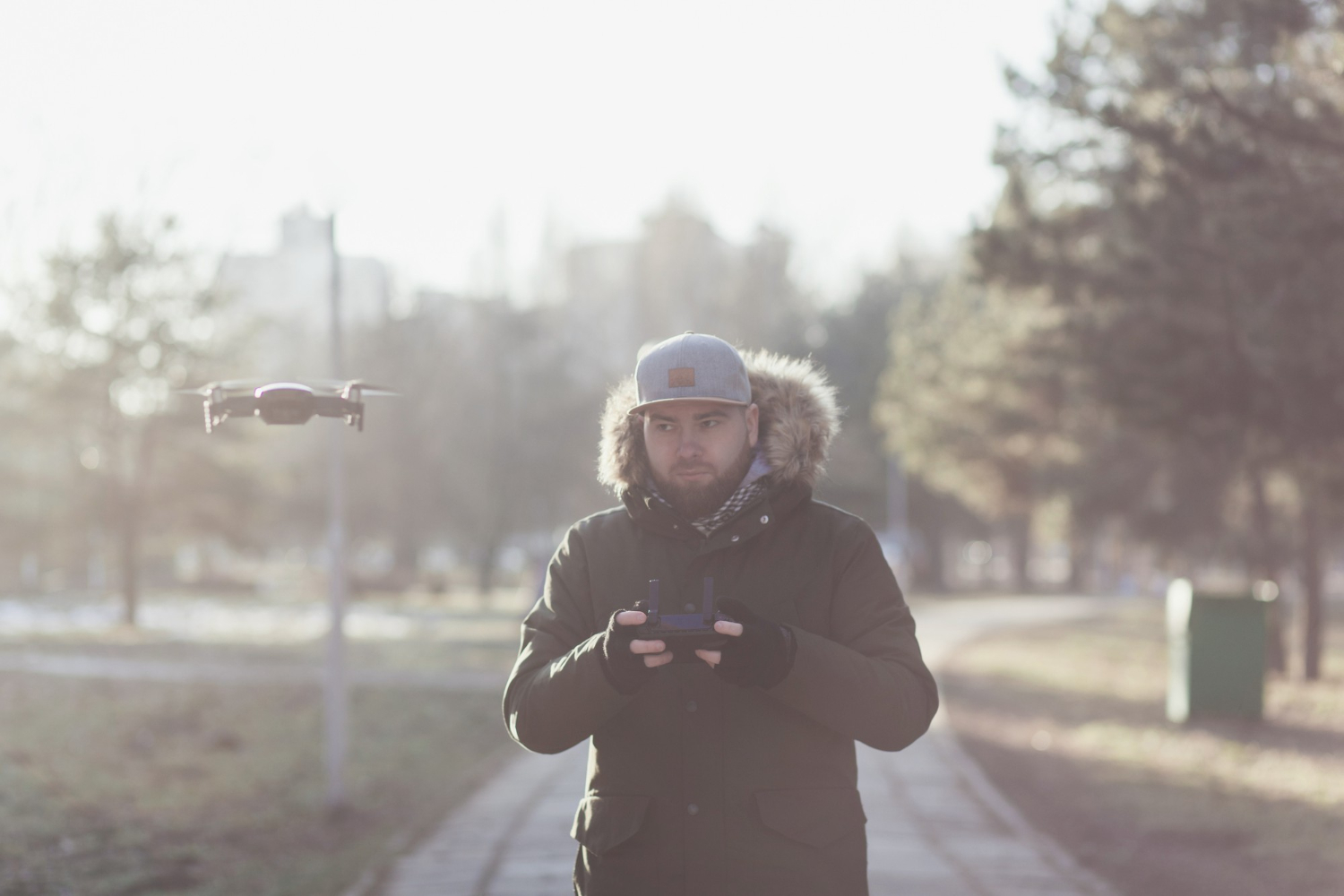
If you’re a Part 107-certified drone operator or a recreational drone pilot, you can contribute aerial footage.
Drones allow us to document landscapes from a unique vantage point, capturing wide-scale environmental changes and hard-to-reach areas. Whether you’re flying a high-end drone equipped with advanced sensors or a more affordable model, your aerial footage can provide critical data.
What you can capture:
- Topographic Mapping: Drones can capture detailed topographic imagery, providing insights into elevation changes, land use patterns, and habitat fragmentation.
- Large-Scale Environmental Monitoring: Track changes across vast areas—such as forest health, coastal erosion, or water body fluctuations—that are difficult to document from the ground.
- Air Quality & Sensor Data: If your drone is equipped with environmental sensors (e.g., air quality, temperature, or humidity), you can collect data that enhances our understanding of atmospheric conditions and their impact on ecosystems.
Learn More:
Scientific Studies Utilizing Drones
Introduction:
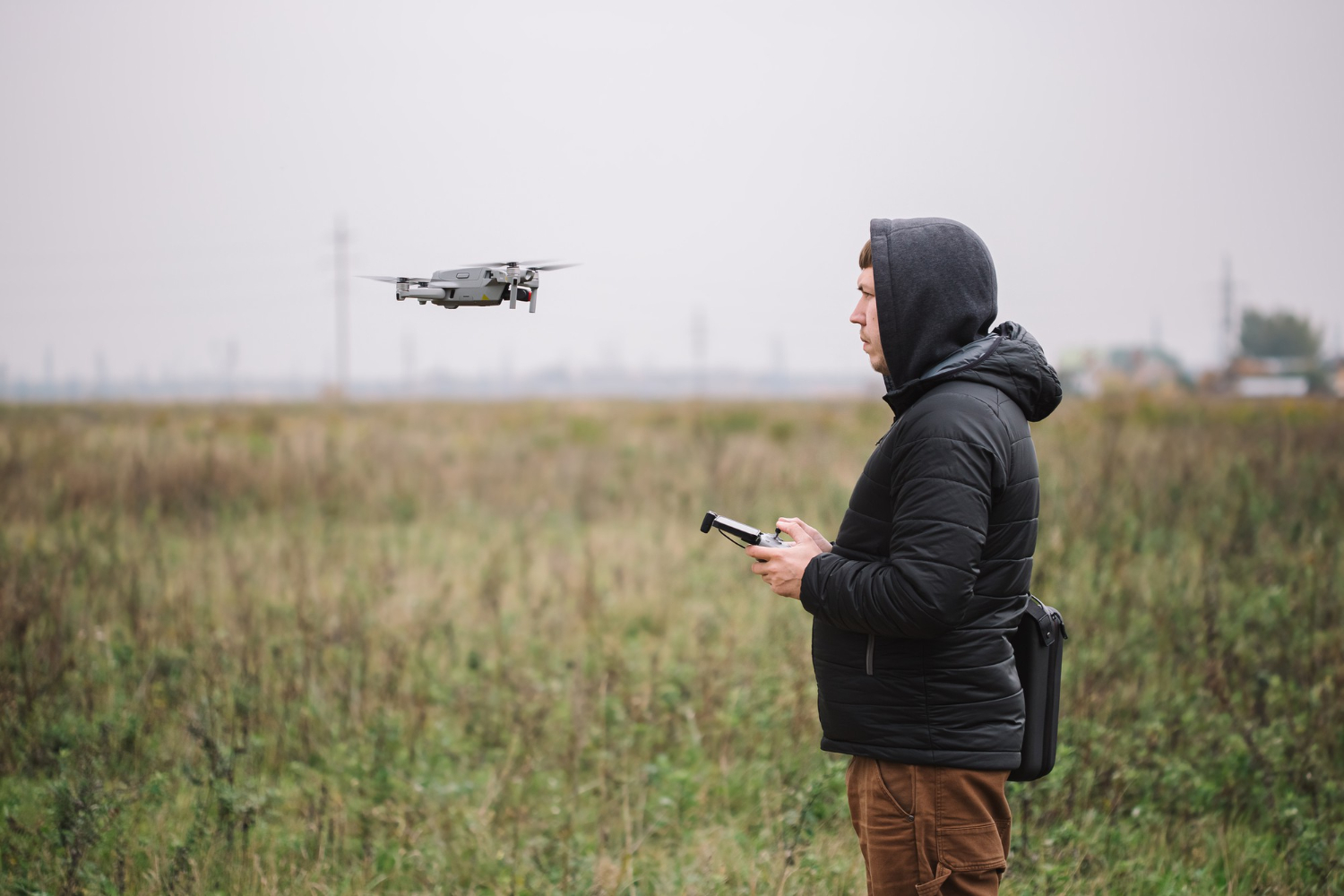
The use of drone technology in conservation science has rapidly expanded in recent years, providing new ways to monitor wildlife, assess ecosystems, and track environmental changes with unprecedented detail and efficiency.
Traditionally, these efforts have relied on specialized researchers and teams equipped with sophisticated aerial equipment. However, with the rise of citizen science, non-professional contributors are increasingly playing a pivotal role by providing high-quality aerial footage that can complement or even enhance the scope of these scientific studies.
Citizen scientists, often using commercially available drones, can gather valuable data in remote or hard-to-reach locations, assist in real-time monitoring of endangered species, and contribute to large-scale environmental surveys.
By sharing this footage with professional researchers through Sparrow Archive, they can help expand the reach of conservation projects, increase data volume, and enable more comprehensive assessments of biodiversity and habitat health.
The following studies demonstrate how drone footage is being leveraged in conservation efforts and how citizen scientists can contribute meaningfully to these ongoing efforts.
Using unmanned aerial vehicles (UAVs) to monitor wildlife populations
- Study: “Using unmanned aerial vehicles (UAVs) to monitor wildlife populations”
- Authors: Anderson, T. H., & McGrath, A.
- Published in: Wildlife Society Bulletin, 2013
- Summary: This study explores the use of UAVs for wildlife monitoring, specifically for large herbivores and birds. The research demonstrates how drones provide a non-invasive means to monitor animal behavior and population dynamics without disturbing wildlife.
- Link: Wildlife Society Bulletin
UAVs for ecosystem monitoring and habitat mapping: A case study in coastal wetlands
- Study: “UAVs for ecosystem monitoring and habitat mapping: A case study in coastal wetlands”
- Authors: Dandois, J. P., & Ellis, E. C.
- Published in: Ecological Applications, 2015
- Summary: This study highlights the use of UAVs to monitor coastal ecosystems, particularly wetlands. The research utilizes drone imagery to map vegetation and topographic features, providing valuable insights into habitat quality and biodiversity.
- Link: Ecological Applications
Aerial monitoring of land use changes using UAVs: Application to forest conservation
- Study: “Aerial monitoring of land use changes using UAVs: Application to forest conservation”
- Authors: Zhang, Y., & Chen, H.
- Published in: Environmental Monitoring and Assessment, 2018
- Summary: This study utilizes drones to track deforestation and land use changes in tropical regions. It highlights the role of drone-based topographic mapping in monitoring habitat destruction and guiding conservation management decisions.
- Link: Environmental Monitoring and Assessment
Using UAVs to monitor ecosystem biodiversity and health in protected areas
- Study: “Using UAVs to monitor ecosystem biodiversity and health in protected areas”
- Authors: Matthews, S., & Bourne, A.
- Published in: Biodiversity and Conservation, 2019
- Summary: This study explores how drones can help assess biodiversity and ecosystem health in protected areas by capturing high-resolution imagery and mapping vegetation and species distributions.
- Link: Biodiversity and Conservation
Scientific Studies Utilizing Citizen Science
Introduction:
Citizen science has greatly benefited from the widespread use of smartphones, which enable non-professionals to capture high-quality data through photos, videos, and sensor inputs. Many studies have utilized citizen-contributed smartphone footage to advance scientific understanding across various fields, including ecology, environmental monitoring, and wildlife conservation. Below are some key examples of citizen science projects and studies that have leveraged smartphone footage:
eBird (Birdwatching and Avian Biodiversity)
eBird is one of the largest citizen science platforms for bird observation, where participants submit sightings and photos of bird species via a smartphone app. Through eBird, individuals contribute data that helps scientists track bird migration patterns, biodiversity, and population changes globally. Smartphone cameras are frequently used to capture bird species, and these images can be analyzed for species identification and distribution trends.
- Study Example:
- Study: “eBird: A Citizen Science Tool for Conservation and Monitoring of Bird Species”
- Published in: Ecology and Evolution, 2017
- Summary: This study examines how eBird’s extensive data set, which includes both audio recordings and photographs captured via smartphones, has become a powerful tool for bird conservation. Smartphone footage provides additional data points on bird sightings, especially in remote areas where professional research is limited.
- Link to eBird Project: eBird
iNaturalist (Biodiversity Monitoring)
iNaturalist is a citizen science platform where participants use smartphones to capture photos of plants, animals, and fungi, which are then identified by the community or through AI-powered tools. The app provides an easy way for citizens to contribute biodiversity data to conservation efforts worldwide. Smartphone photos play a central role in documenting species and tracking changes in biodiversity.
- Study Example:
- Study: “Global Biodiversity Monitoring and the Role of Citizen Science: Insights from iNaturalist”
- Published in: Scientific Reports, 2020
- Summary: This study explores how iNaturalist users contribute millions of images taken on smartphones to biodiversity research. The data captured provides crucial information about species distributions, population trends, and habitat health. Smartphone footage is analyzed for species identification and contributes significantly to ecological monitoring on a global scale.
- Link to iNaturalist Project: iNaturalist
The Wildbook Project (Wildlife Conservation and Monitoring)
The Wildbook project is an initiative that allows citizen scientists to submit images or videos of wildlife through smartphones, focusing on animal identification, population monitoring, and behavior analysis. By using facial recognition software and pattern recognition techniques, Wildbook helps track individual animals, particularly species like whales, sharks, and giraffes, based on distinctive markings.
- Study Example:
- Study: “Wildbook: Using Citizen Science to Track and Monitor Wildlife”
- Published in: Journal of Environmental Management, 2021
- Summary: This study examines how Wildbook, through its smartphone-based platform, enables global citizen contributions to wildlife monitoring. Smartphone footage submitted by users has helped increase data collection in remote locations and contributed to better population estimates and conservation management strategies.
- Link to Wildbook Project: Wildbook
Zooniverse (Crowdsourced Research across Disciplines)
Zooniverse is a platform that hosts a variety of citizen science projects across many disciplines, including wildlife, astronomy, ecology, and more. One of the projects, “Snapshot Serengeti,” asks participants to identify animals from camera trap images, many of which are uploaded via smartphones. Citizen scientists can also contribute footage through mobile devices in other projects, such as “Penguin Watch” (monitoring penguins) or “Whale FM” (analyzing whale sounds).
- Study Example:
- Study: “Zooniverse and Citizen Science: Empowering the Public to Contribute to Scientific Research”
- Published in: Frontiers in Ecology and the Environment, 2020
- Summary: This study highlights Zooniverse’s role in mobilizing citizen scientists and how smartphone footage from the public helps monitor wildlife behavior, track population sizes, and document environmental changes in real-time. The involvement of smartphones has democratized participation, allowing people from all walks of life to contribute valuable data to various scientific disciplines.
- Link to Zooniverse Projects: Zooniverse